


Understanding Geomembranes: Essential Building Blocks for Construction Projects
Release time:
2026-01-13
Geomembranes are synthetic membranes used as impermeable barriers in various construction applications, particularly in the realm of civil engineering and environmental protection. Their primary function is to prevent the migration of fluids through soil or other materials, making them essential for projects such as landfills, reservoirs, and containment systems. One of the key characteristics of
Geomembranes are synthetic membranes used as impermeable barriers in various construction applications, particularly in the realm of civil engineering and environmental protection. Their primary function is to prevent the migration of fluids through soil or other materials, making them essential for projects such as landfills, reservoirs, and containment systems.
One of the key characteristics of geomembranes is their high resistance to puncturing and tearing, which is vital for maintaining structural integrity under harsh conditions. Typically made from materials such as polyethylene, PVC, or EPDM, geomembranes offer remarkable durability and flexibility, allowing them to adapt to different environmental conditions and project requirements. Their capability to withstand extreme temperatures and UV radiation further enhances their longevity, making them a preferred choice for many construction projects.
In terms of application, geomembranes are widely utilized in landfill liners, where they serve to contain leachate and prevent groundwater contamination. They are also employed in water containment applications, such as ponds and reservoirs, ensuring that water remains secured without leakage. Moreover, geomembranes play a crucial role in mining operations, where they are used to line tailings ponds, thus preventing the escape of pollutants into the surrounding environment.
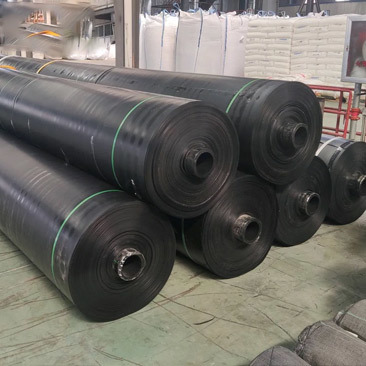
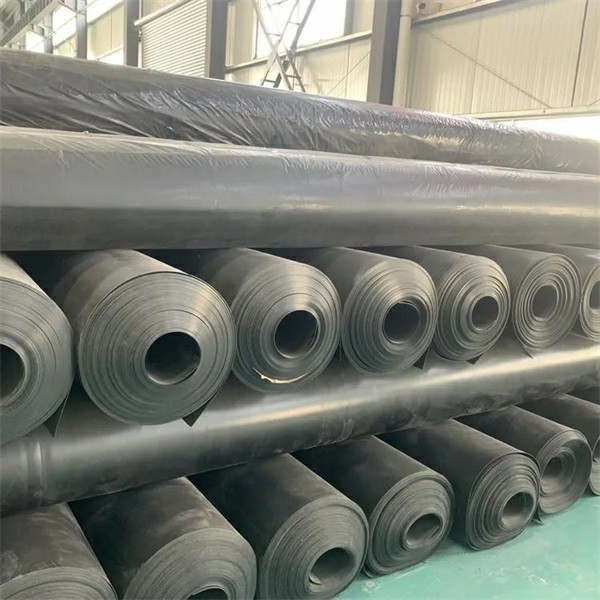
Another significant advantage of geomembranes is their ease of installation. Modern geomembranes are available in large sheets, which can be quickly deployed on-site, reducing labor costs and project timelines. Additionally, advancements in welding technologies have further streamlined the installation process, ensuring that seams are secure and watertight.
Furthermore, when considering sustainability, geomembranes contribute positively to environmental protection efforts. By acting as impermeable barriers, they help manage waste, protect water sources, and minimize the impact of construction activities on surrounding ecosystems. This aligns with the growing emphasis on eco-friendly practices in the construction industry.
In summary, geomembranes are a critical component in the construction and civil engineering sectors, offering extensive benefits in terms of efficiency, durability, and environmental protection. Understanding the properties and applications of geomembranes can significantly enhance project outcomes and ensure compliance with regulatory standards. As construction practices continue to evolve, the importance of geomembranes will likely grow, making it essential for industry professionals to stay informed about the latest developments and innovations in this field.
One of the key characteristics of geomembranes is their high resistance to puncturing and tearing, which is vital for maintaining structural integrity under harsh conditions. Typically made from materials such as polyethylene, PVC, or EPDM, geomembranes offer remarkable durability and flexibility, allowing them to adapt to different environmental conditions and project requirements. Their capability to withstand extreme temperatures and UV radiation further enhances their longevity, making them a preferred choice for many construction projects.
In terms of application, geomembranes are widely utilized in landfill liners, where they serve to contain leachate and prevent groundwater contamination. They are also employed in water containment applications, such as ponds and reservoirs, ensuring that water remains secured without leakage. Moreover, geomembranes play a crucial role in mining operations, where they are used to line tailings ponds, thus preventing the escape of pollutants into the surrounding environment.
Another significant advantage of geomembranes is their ease of installation. Modern geomembranes are available in large sheets, which can be quickly deployed on-site, reducing labor costs and project timelines. Additionally, advancements in welding technologies have further streamlined the installation process, ensuring that seams are secure and watertight.
Furthermore, when considering sustainability, geomembranes contribute positively to environmental protection efforts. By acting as impermeable barriers, they help manage waste, protect water sources, and minimize the impact of construction activities on surrounding ecosystems. This aligns with the growing emphasis on eco-friendly practices in the construction industry.
In summary, geomembranes are a critical component in the construction and civil engineering sectors, offering extensive benefits in terms of efficiency, durability, and environmental protection. Understanding the properties and applications of geomembranes can significantly enhance project outcomes and ensure compliance with regulatory standards. As construction practices continue to evolve, the importance of geomembranes will likely grow, making it essential for industry professionals to stay informed about the latest developments and innovations in this field.
CONTACT US
Address: Shuangyi Road, Lingcheng District, Dezhou City, Shandong Province


GET A DEDICATED QUOTATION