


How Composite Geomembranes Are Revolutionizing Wastewater Treatment
Release time:
2026-01-20
How Composite Geomembranes Are Revolutionizing Wastewater Treatment Introduction to Composite Geomembranes in Wastewater Treatment In the quest for sustainable and efficient wastewater management, **composite geomembranes** have emerged as a game-changer. These advanced materials are engineered to provide optimal barrier solutions in various applications, including lagoons, landfills, and trea
How Composite Geomembranes Are Revolutionizing Wastewater Treatment
Introduction to Composite Geomembranes in Wastewater Treatment
In the quest for sustainable and efficient wastewater management, **composite geomembranes** have emerged as a game-changer. These advanced materials are engineered to provide optimal barrier solutions in various applications, including lagoons, landfills, and treatment plants. The integration of geomembranes into wastewater systems is not merely enhancing operational efficiency; it is fundamentally transforming the way we approach water treatment.
Understanding Composite Geomembranes
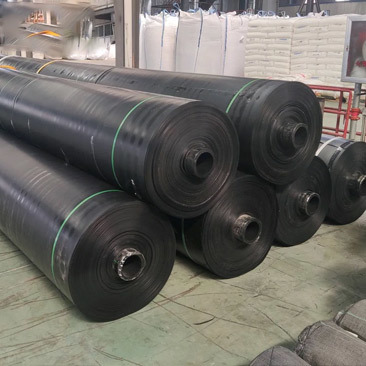
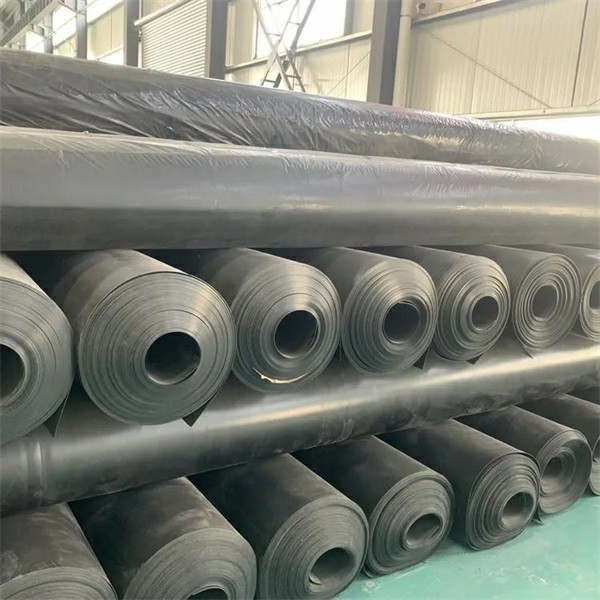
Composite geomembranes are layered polymeric materials that combine different types of polymers, such as polyethylene, PVC, and polypropylene. This multilayer structure provides superior mechanical durability, chemical resistance, and flexibility compared to traditional geomembranes. Their unique properties make them ideal for a range of applications, particularly in the wastewater treatment industry.
Key Components of Composite Geomembranes
To appreciate the advantages of composite geomembranes, it is essential to understand their structure:
- **Polymeric Layers**: The outer layers consist of high-density polyethylene (HDPE) or low-density polyethylene (LDPE) that offer excellent resistance to UV radiation and chemicals.
- **Reinforcement Materials**: Various reinforcements, such as geotextiles, enhance strength and puncture resistance, enabling the geomembranes to withstand harsh environmental conditions and mechanical stresses.
- **Adhesive Layers**: The bonding of different materials is achieved through specialized adhesives that maintain the integrity of the composite while ensuring flexibility.
Benefits of Using Composite Geomembranes in Wastewater Treatment
The adoption of composite geomembranes in wastewater treatment brings forth numerous benefits:
1. Enhanced Chemical Resistance
Composite geomembranes demonstrate exceptional resistance to a wide range of chemicals commonly found in wastewater. This characteristic reduces the risk of degradation and ensures long-term performance, making them a reliable choice for treatment facilities.
2. Improved Puncture Resistance
The multilayer design significantly increases the puncture resistance of geomembranes. This is particularly crucial in applications involving the transportation and storage of wastewater, where sharp objects may pose a threat to the integrity of traditional liners.
3. Cost-Effectiveness
While the initial investment in composite geomembranes may be higher than that of traditional options, their durability and longevity result in lower maintenance and replacement costs over time. Facilities can realize significant savings in both operational and capital expenditures.
4. Environmental Sustainability
By providing effective containment for wastewater, composite geomembranes contribute to environmental protection. They minimize the risk of leachate and effluent contamination, thereby safeguarding local ecosystems and water resources.
5. Versatile Applications
Composite geomembranes are versatile, suitable for a wide array of applications within the wastewater industry, such as:
- **Lagoons**: Used for sludge containment and nutrient management.
- **Landfills**: Act as liners to prevent leachate migration.
- **Treatment Plants**: Serve as barriers in various treatment processes.
Applications of Composite Geomembranes in Wastewater Management
As we delve deeper into the applications of composite geomembranes, we find that they play a vital role in several key areas of wastewater treatment:
1. Sludge Management
Composite geomembranes are increasingly utilized in sludge management systems to contain and manage excess sludge generated during treatment processes. By isolating sludge from the environment, these geomembranes help prevent contamination and allow for controlled treatment and disposal.
2. Landfill Liners
In landfill applications, composite geomembranes act as impermeable barriers that prevent leachate from polluting groundwater sources. Their robust structure ensures that even under varying pressure conditions, they maintain their integrity and effectiveness.
3. Containment Reservoirs
Composite geomembranes are integral in the construction of containment reservoirs used in wastewater treatment plants. They provide a secure environment for wastewater holding, allowing for significant reductions in evaporation and infiltration.
4. Bioreactor Systems
In advanced bioreactor systems, composite geomembranes enable efficient anaerobic digestion by providing anaerobic conditions while preventing gas escape. This leads to optimized biogas production and improved overall treatment efficiency.
5. Stormwater Management
Composite geomembranes are also pivotal in stormwater management systems, where they help control runoff and reduce pollution entering waterways. Their use in retention basins and infiltration systems enhances water quality and promotes sustainable practices.
The Future of Composite Geomembranes in Wastewater Treatment
As the demand for effective wastewater treatment solutions continues to rise, the role of composite geomembranes is likely to expand. Innovations in material technology and engineering practices will lead to the development of even more advanced products capable of meeting diverse treatment needs.
Emerging Trends in Geomembrane Technology
The future of composite geomembranes in wastewater treatment will be influenced by several emerging trends:
- **Smart Materials**: The development of smart geomembranes equipped with sensors for real-time monitoring of conditions, such as pressure, moisture levels, and leakage detection.
- **Recyclable Materials**: Increased emphasis on sustainability will drive the creation of geomembranes made from recyclable materials, reducing environmental impact.
- **Nanotechnology**: Incorporating nanotechnology into geomembrane manufacturing could enhance performance characteristics, including permeability control and chemical resistance.
Frequently Asked Questions (FAQs)
1. What are composite geomembranes made of?
Composite geomembranes are made from multiple layers of polymers, such as polyethylene and polypropylene, often reinforced with materials like geotextiles.
2. How do composite geomembranes improve wastewater treatment?
They enhance chemical resistance, improve puncture resistance, reduce maintenance costs, and help prevent environmental contamination.
3. What applications are suitable for composite geomembranes in wastewater management?
They are used in sludge management, landfill liners, containment reservoirs, bioreactor systems, and stormwater management.
4. Can composite geomembranes be recycled?
Yes, ongoing advancements in material technology are leading to the development of recyclable composite geomembranes.
5. What is the lifespan of composite geomembranes?
The lifespan can vary depending on the environment and conditions, but with proper installation and maintenance, they can last for several decades.
Conclusion
In conclusion, composite geomembranes are revolutionizing the wastewater treatment landscape, offering a blend of durability, efficiency, and environmental consciousness. Their advantages make them an invaluable asset in modern treatment facilities, addressing the growing challenges of wastewater management. As technology continues to evolve, so too will the capabilities of these geomembranes, ensuring they remain at the forefront of sustainable wastewater solutions. Embracing composite geomembranes not only enhances operational efficiency but also promotes a healthier environment for future generations.
CONTACT US
Address: Shuangyi Road, Lingcheng District, Dezhou City, Shandong Province


GET A DEDICATED QUOTATION