


A Comprehensive Beginner's Guide to Geomembrane Installation: Techniques, Best Practices, and Tips
Release time:
2026-01-08
A Comprehensive Beginner's Guide to Geomembrane Installation Geomembranes are vital components in various construction and environmental projects. Whether you are managing a landfill, a water reservoir, or a containment facility, understanding how to install geomembranes properly is crucial for achieving optimal results. This guide will provide you with a step-by-step approach, covering everything
A Comprehensive Beginner's Guide to Geomembrane Installation
Geomembranes are vital components in various construction and environmental projects. Whether you are managing a landfill, a water reservoir, or a containment facility, understanding how to install geomembranes properly is crucial for achieving optimal results. This guide will provide you with a step-by-step approach, covering everything from basic concepts to detailed installation techniques.
Table of Contents
- What is a Geomembrane?
- Types of Geomembranes
- Applications of Geomembranes
- Pre-Installation Considerations
- Steps for Geomembrane Installation
- Common Installation Techniques
- Quality Control in Geomembrane Installation
- Frequently Asked Questions
- Conclusion
What is a Geomembrane?
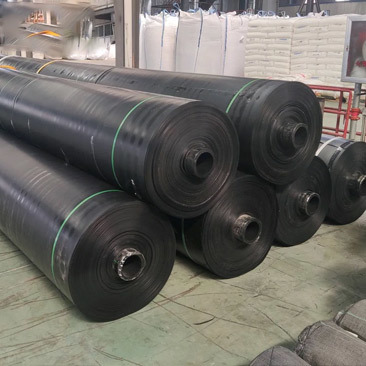
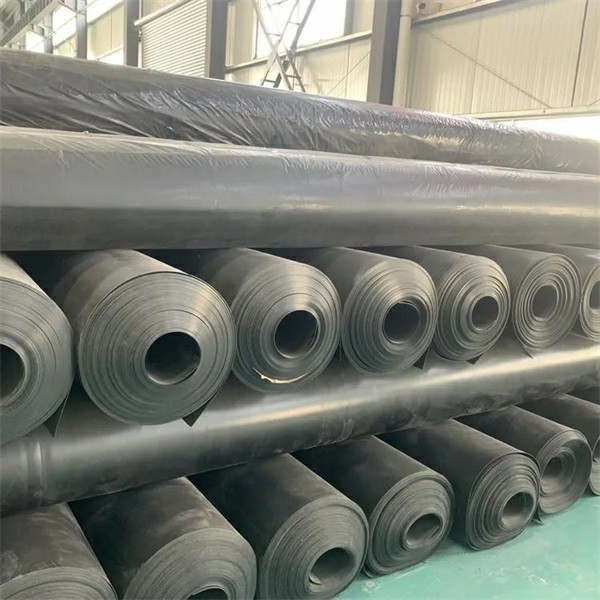
Geomembranes are synthetic membranes used to control fluid migration in a human-made environment. They are made from various materials, including polyethylene, polypropylene, and polyvinyl chloride (PVC). The primary function of a geomembrane is to act as a barrier to prevent the movement of liquids or gases while providing structural stability during construction projects.
Geomembranes are commonly used in landfills, wastewater treatment facilities, mining operations, and many more applications. Their durability and adaptability make them essential in modern construction practices.
Types of Geomembranes
There are several types of geomembranes, each designed for specific applications. Understanding the characteristics of each type will help you select the right geomembrane for your project.
1. High-Density Polyethylene (HDPE)
HDPE geomembranes are known for their strength and resistance to chemicals and UV radiation. They are widely used in landfill liners and containment applications due to their durability.
2. Low-Density Polyethylene (LDPE)
LDPE geomembranes are more flexible than HDPE, making them suitable for applications that require a higher adaptability to ground movement. They are often used in ponds, lagoons, and other water impoundments.
3. Polyvinyl Chloride (PVC)
PVC geomembranes offer excellent flexibility and chemical resistance. They are commonly used in various applications, including water retention ponds and canals.
4. Ethylene Propylene Diene Monomer (EPDM)
EPDM geomembranes are known for their excellent weather resistance and flexibility. They are often used in pond liners and roofing applications due to their ability to withstand extreme temperatures.
Applications of Geomembranes
Geomembranes have diverse applications across various industries. Here are some of the most common uses:
1. Landfills
In landfills, geomembranes are used as liners to prevent leachate from contaminating the groundwater. Their impermeable nature ensures that harmful substances remain contained.
2. Water Reservoirs
Geomembranes help in the construction of water reservoirs by preventing water loss through seepage. They create a reliable barrier that maintains water levels.
3. Mining Operations
In mining, geomembranes are used in tailing ponds to prevent the seepage of toxic materials into the environment. They play a crucial role in minimizing environmental impact.
4. Wastewater Treatment Facilities
Geomembranes are utilized in various parts of wastewater treatment processes to control leakage and improve efficiency.
Pre-Installation Considerations
Before beginning the installation of a geomembrane, several key factors should be taken into account to ensure a successful outcome.
1. Site Assessment
Conduct a thorough site assessment to evaluate soil conditions, drainage patterns, and any potential obstacles that may affect installation.
2. Material Selection
Choose the appropriate type of geomembrane based on the specific application, environmental conditions, and project requirements.
3. Regulatory Compliance
Ensure all materials and installation methods comply with local regulations and industry standards.
4. Design Specifications
Review design specifications to confirm that all project requirements are met before installation.
Steps for Geomembrane Installation
Installing a geomembrane involves a series of systematic steps to guarantee proper application and performance.
1. Site Preparation
Prepare the installation site by clearing debris, leveling the ground, and addressing drainage issues. This preparation is crucial for achieving optimal results.
2. Laying the Geomembrane
Carefully unroll the geomembrane material, ensuring that it is placed correctly according to design specifications. Overlapping seams should be aligned accurately.
3. Securing the Geomembrane
Use appropriate methods, such as anchoring with soil or using weighted materials, to secure the geomembrane in place during installation and to prevent movement.
4. Seaming Techniques
Employ reliable seaming techniques, such as thermal welding or adhesive bonding, to join sections of geomembrane effectively. Ensure that seams meet industry standards for strength and integrity.
5. Testing and Verification
After installation, conduct tests to verify the integrity of the geomembrane. This may include pressure testing or visual inspections to check for leaks or punctures.
Common Installation Techniques
Understanding various installation techniques can enhance the effectiveness of geomembrane applications. Below are some common methods:
1. Thermal Welding
Thermal welding uses heat to fuse geomembrane sheets together, creating strong seams that are resistant to water and chemicals. It is one of the most trusted methods for ensuring integrity.
2. Adhesive Bonding
Adhesive bonding involves using specific adhesives formulated for geomembrane materials. This method is often used in applications where thermal welding is not feasible.
3. Mechanical Fastening
Mechanical fastening methods, such as the use of anchors or plates, provide additional security to geomembranes, particularly in high-wind areas or where soil movement is anticipated.
Quality Control in Geomembrane Installation
Maintaining high-quality standards during the installation process is essential for the longevity and performance of geomembranes.
1. Regular Inspections
Conduct regular inspections throughout the installation process to identify any issues early, ensuring that corrective actions can be taken promptly.
2. Documentation
Keep detailed records of materials used, installation methods, and inspections performed to provide a comprehensive overview of the project.
3. Post-Installation Testing
After the installation is complete, perform thorough testing, including leak detection and seam strength testing, to confirm the proper functioning of the geomembrane.
Frequently Asked Questions
1. What is the lifespan of a geomembrane?
The lifespan of a geomembrane varies based on the material used and environmental conditions but can range from 10 to 30 years with proper installation and maintenance.
2. Can geomembranes be repaired?
Yes, geomembranes can be repaired using various methods, including patching with compatible materials or reseaming with thermal welding.
3. How do I choose the right geomembrane?
Select a geomembrane based on the specific application, environmental conditions, regulatory requirements, and expected performance.
4. Is professional installation necessary?
While some projects may allow for DIY installation, professional installation is recommended to ensure compliance with industry standards and to achieve the best results.
5. What are the main benefits of using geomembranes?
Geomembranes offer several benefits, including leak prevention, environmental protection, durability, and cost efficiency in managing fluids and waste.
Conclusion
In summary, understanding the intricacies of geomembrane installation is crucial for effective project execution in construction and environmental management. By following the guidelines outlined in this comprehensive guide, beginners can approach geomembrane installation with confidence. From selecting the right materials to employing correct installation techniques, every step plays a vital role in ensuring the longevity and effectiveness of geomembranes. Whether you are involved in landfill management, water conservation, or mining operations, mastering geomembrane installation will enhance the sustainability and reliability of your projects.
CONTACT US
Address: Shuangyi Road, Lingcheng District, Dezhou City, Shandong Province


GET A DEDICATED QUOTATION