


Understanding Geomembrane Materials: Essential Insights for Construction Professionals
Release time:
2026-01-09
Geomembrane materials are synthetic membranes utilized for various applications, primarily in civil engineering and construction. These materials are designed to control fluid migration in a wide range of environments, making them indispensable in applications such as landfill liners, water containment, and soil stabilization. Understanding the properties and applications of geomembranes is crucia
Geomembrane materials are synthetic membranes utilized for various applications, primarily in civil engineering and construction. These materials are designed to control fluid migration in a wide range of environments, making them indispensable in applications such as landfill liners, water containment, and soil stabilization. Understanding the properties and applications of geomembranes is crucial for professionals in the construction sector, as these materials significantly influence project outcomes.
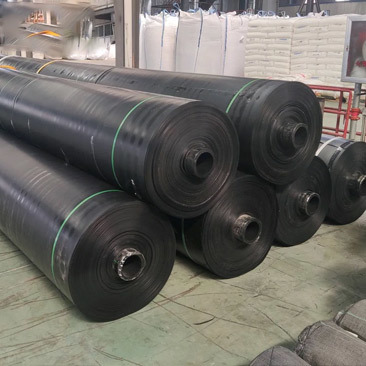
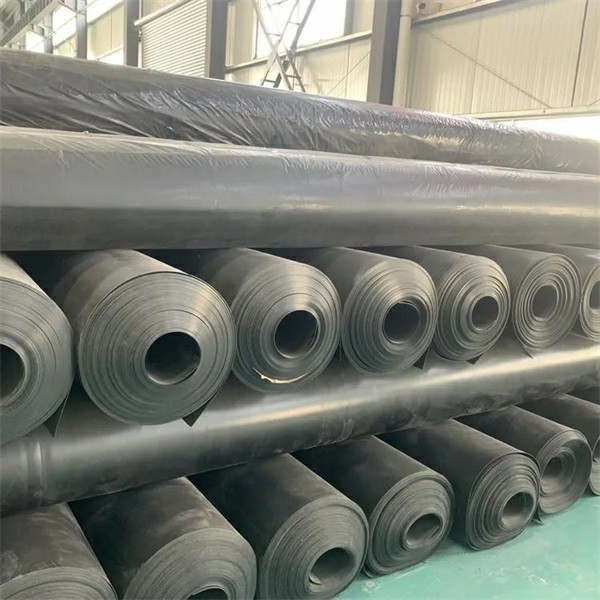
The primary material used in the fabrication of geomembranes is high-density polyethylene (HDPE), although other materials such as polyvinyl chloride (PVC) and ethylene propylene diene monomer (EPDM) are also common. Each type of geomembrane possesses unique characteristics that cater to specific project requirements. For example, HDPE geomembranes are known for their durability, UV resistance, and low permeability, while PVC geomembranes are often favored for their flexibility and ease of installation.
One of the critical attributes of geomembrane materials is their impermeability. This characteristic is particularly important in applications like landfills, where preventing leachate from contaminating surrounding soil and groundwater is essential. The effectiveness of geomembranes in such applications relies on their thickness, chemical resistance, and overall structural integrity.
In addition to environmental protection, geomembranes serve structural purposes in construction projects. They can be used as liners for ponds, tanks, and canals, ensuring that water is retained without seepage. Their applications extend to road construction, where they can reinforce subgrade layers, improving the longevity and stability of roadways.
When considering geomembrane materials for a project, it is crucial to take into account factors such as the site’s environmental conditions, the type of fluids being contained, and the soil properties. Proper installation techniques are also vital to ensure the longevity and effectiveness of the geomembrane. Factors such as weld quality, seam integrity, and installation methods can significantly impact the performance of geomembranes in real-world applications.
In summary, geomembrane materials play a pivotal role in the construction and decoration industry, particularly in site development and environmental protection. Their diverse applications and essential properties make them a topic worth exploring for professionals in this field. By understanding the various types, characteristics, and installation techniques of geomembranes, construction experts can make informed decisions that enhance project success and sustainability.
The primary material used in the fabrication of geomembranes is high-density polyethylene (HDPE), although other materials such as polyvinyl chloride (PVC) and ethylene propylene diene monomer (EPDM) are also common. Each type of geomembrane possesses unique characteristics that cater to specific project requirements. For example, HDPE geomembranes are known for their durability, UV resistance, and low permeability, while PVC geomembranes are often favored for their flexibility and ease of installation.
One of the critical attributes of geomembrane materials is their impermeability. This characteristic is particularly important in applications like landfills, where preventing leachate from contaminating surrounding soil and groundwater is essential. The effectiveness of geomembranes in such applications relies on their thickness, chemical resistance, and overall structural integrity.
In addition to environmental protection, geomembranes serve structural purposes in construction projects. They can be used as liners for ponds, tanks, and canals, ensuring that water is retained without seepage. Their applications extend to road construction, where they can reinforce subgrade layers, improving the longevity and stability of roadways.
When considering geomembrane materials for a project, it is crucial to take into account factors such as the site’s environmental conditions, the type of fluids being contained, and the soil properties. Proper installation techniques are also vital to ensure the longevity and effectiveness of the geomembrane. Factors such as weld quality, seam integrity, and installation methods can significantly impact the performance of geomembranes in real-world applications.
In summary, geomembrane materials play a pivotal role in the construction and decoration industry, particularly in site development and environmental protection. Their diverse applications and essential properties make them a topic worth exploring for professionals in this field. By understanding the various types, characteristics, and installation techniques of geomembranes, construction experts can make informed decisions that enhance project success and sustainability.
CONTACT US
Address: Shuangyi Road, Lingcheng District, Dezhou City, Shandong Province


GET A DEDICATED QUOTATION