


Understanding PE Geomembrane: A Key Component in Construction and Environmental Protection
Release time:
2026-01-07
Polyethylene (PE) geomembrane is a crucial material in the construction and environmental sectors, particularly in applications involving containment, separation, and stabilization. Its unique properties make it an ideal choice for various projects, including landfills, wastewater treatment facilities, and even as a barrier in agricultural applications. Understanding the characteristics and advant
Polyethylene (PE) geomembrane is a crucial material in the construction and environmental sectors, particularly in applications involving containment, separation, and stabilization. Its unique properties make it an ideal choice for various projects, including landfills, wastewater treatment facilities, and even as a barrier in agricultural applications. Understanding the characteristics and advantages of PE geomembrane can significantly enhance project efficiency and effectiveness.
One of the primary benefits of PE geomembrane is its excellent impermeability. The material is designed to prevent the passage of liquids and gases, making it an effective solution for controlling leachate in landfills. This impermeability helps to protect the environment from potential contamination, ensuring that hazardous materials remain contained. Additionally, the low permeability of PE geomembrane contributes to the sustainability of construction projects by minimizing the risk of groundwater pollution.
Another significant advantage of PE geomembrane is its durability. The material exhibits high resistance to punctures, tears, and UV radiation, which is essential for outdoor applications. This durability ensures a longer lifespan for the geomembrane, reducing the need for frequent replacements and lowering long-term project costs. Furthermore, PE geomembrane is resistant to chemical degradation, making it suitable for applications involving aggressive substances.
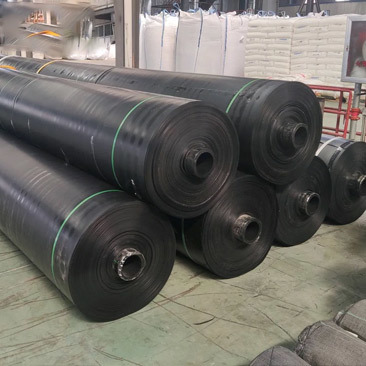
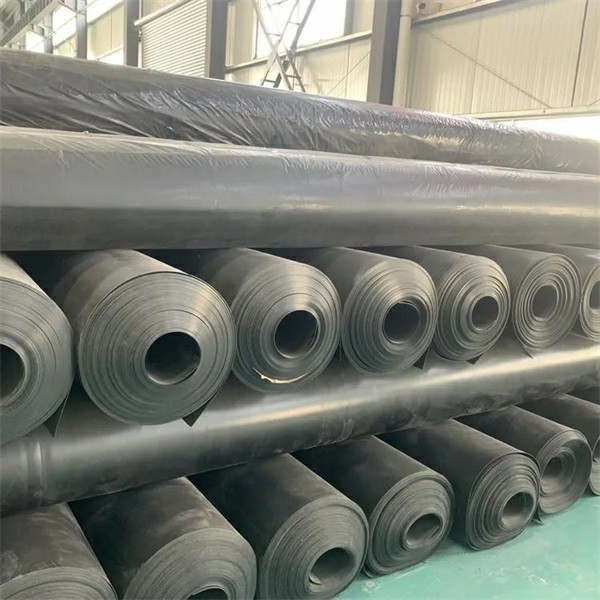
In terms of installation, PE geomembrane is relatively lightweight and flexible, which simplifies the handling and deployment processes. This ease of installation can lead to reduced labor costs and shorter project timelines. The material can be fabricated into various sizes and thicknesses, allowing for customization based on specific project requirements. Additionally, there are multiple installation methods available, including welding and adhesive bonding, which further enhance its versatility.
PE geomembrane is also environmentally friendly. Its production process generates fewer harmful emissions compared to other materials, and its recyclability at the end of its life cycle contributes to sustainable practices within the construction industry. Using PE geomembrane can help companies meet environmental regulations and corporate social responsibility goals.
Moreover, the application of PE geomembrane goes beyond traditional construction. It is increasingly used in recreational facilities, such as artificial lakes and ponds, where it serves to maintain water levels and quality. Its role in landscape architecture is also growing, as it can be used to create effective drainage systems and contouring in various terrains.
In conclusion, PE geomembrane is a vital material in the construction and environmental sectors, characterized by its impermeability, durability, and ease of installation. Its versatility allows for a wide range of applications, making it an indispensable component in modern construction projects. By understanding the benefits and properties of PE geomembrane, professionals in the industry can make informed decisions that enhance project sustainability and efficiency.
One of the primary benefits of PE geomembrane is its excellent impermeability. The material is designed to prevent the passage of liquids and gases, making it an effective solution for controlling leachate in landfills. This impermeability helps to protect the environment from potential contamination, ensuring that hazardous materials remain contained. Additionally, the low permeability of PE geomembrane contributes to the sustainability of construction projects by minimizing the risk of groundwater pollution.
Another significant advantage of PE geomembrane is its durability. The material exhibits high resistance to punctures, tears, and UV radiation, which is essential for outdoor applications. This durability ensures a longer lifespan for the geomembrane, reducing the need for frequent replacements and lowering long-term project costs. Furthermore, PE geomembrane is resistant to chemical degradation, making it suitable for applications involving aggressive substances.
In terms of installation, PE geomembrane is relatively lightweight and flexible, which simplifies the handling and deployment processes. This ease of installation can lead to reduced labor costs and shorter project timelines. The material can be fabricated into various sizes and thicknesses, allowing for customization based on specific project requirements. Additionally, there are multiple installation methods available, including welding and adhesive bonding, which further enhance its versatility.
PE geomembrane is also environmentally friendly. Its production process generates fewer harmful emissions compared to other materials, and its recyclability at the end of its life cycle contributes to sustainable practices within the construction industry. Using PE geomembrane can help companies meet environmental regulations and corporate social responsibility goals.
Moreover, the application of PE geomembrane goes beyond traditional construction. It is increasingly used in recreational facilities, such as artificial lakes and ponds, where it serves to maintain water levels and quality. Its role in landscape architecture is also growing, as it can be used to create effective drainage systems and contouring in various terrains.
In conclusion, PE geomembrane is a vital material in the construction and environmental sectors, characterized by its impermeability, durability, and ease of installation. Its versatility allows for a wide range of applications, making it an indispensable component in modern construction projects. By understanding the benefits and properties of PE geomembrane, professionals in the industry can make informed decisions that enhance project sustainability and efficiency.
CONTACT US
Address: Shuangyi Road, Lingcheng District, Dezhou City, Shandong Province


GET A DEDICATED QUOTATION