


Unveiling the Cost Benefits of Geomembrane Liners for Builders
Release time:
2026-01-06
Unveiling the Cost Benefits of Geomembrane Liners for Builders Table of Contents Introduction to Geomembrane Liners Understanding the Cost Benefits of Geomembrane Liners Applications of Geomembrane Liners in Construction The Installation Process of Geomembrane Liners Environmental Impact of Geomembrane Liners Long-Term Benefits for Builders Choosing the Right Geome
Unveiling the Cost Benefits of Geomembrane Liners for Builders
Table of Contents
- Introduction to Geomembrane Liners
- Understanding the Cost Benefits of Geomembrane Liners
- Applications of Geomembrane Liners in Construction
- The Installation Process of Geomembrane Liners
- Environmental Impact of Geomembrane Liners
- Long-Term Benefits for Builders
- Choosing the Right Geomembrane Material
- Frequently Asked Questions
- Conclusion
Introduction to Geomembrane Liners
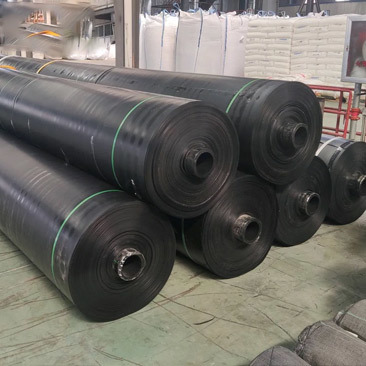
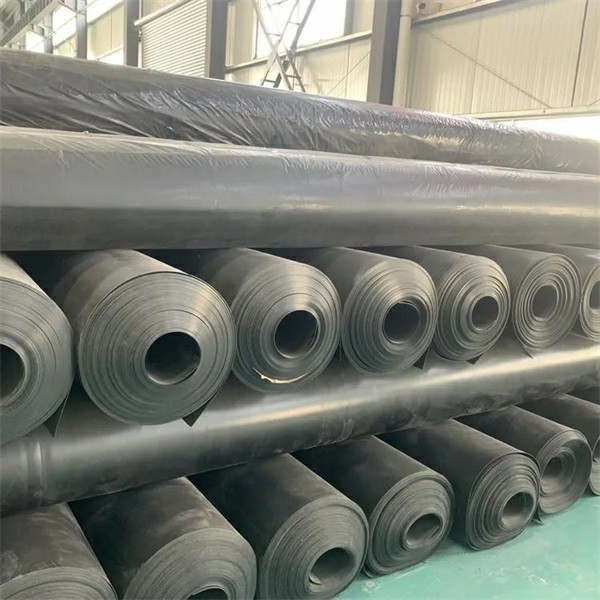
Geomembrane liners are synthetic membranes utilized as barriers to contain liquids or gases in a variety of applications. These liners are primarily made from materials such as high-density polyethylene (HDPE), linear low-density polyethylene (LLDPE), and polyvinyl chloride (PVC). Their versatility and effectiveness have made them a crucial component in construction projects, especially in areas where liquid containment is necessary.
In this article, we will explore the **cost benefits** of geomembrane liners for builders. By understanding their advantages, applications, and the installation process, builders can make informed decisions that enhance project efficiency and sustainability.
Understanding the Cost Benefits of Geomembrane Liners
When it comes to construction, managing costs is paramount. Geomembrane liners provide significant **financial advantages** that can help builders stay on budget. Here are some key cost benefits:
1. Reduced Construction Costs
The use of geomembrane liners can significantly lower overall construction costs. Their lightweight nature means less structural support is required, reducing material and labor expenses. Furthermore, their quick installation times allow projects to move forward more efficiently, minimizing downtime and associated costs.
2. Lower Maintenance Expenses
Once installed, geomembrane liners need minimal maintenance compared to traditional methods of containment. Their durability and resistance to UV radiation, chemicals, and punctures mean that they can last for decades without requiring significant upkeep. This longevity translates to reduced maintenance expenses over the lifespan of the project.
3. Prevention of Costly Contamination Issues
The primary function of geomembrane liners is to prevent leaks and contamination. By effectively managing the containment of liquids, these liners can help avoid costly environmental clean-up efforts and potential legal liabilities. Investing in quality geomembrane liners can save builders from significant expenses in the future.
4. Energy Savings
The thermal properties of some geomembrane liners can contribute to energy savings during the construction phase. By reducing the heat island effect and controlling temperatures, these liners can lower energy consumption for heating and cooling systems in structures built on top of them.
Applications of Geomembrane Liners in Construction
Geomembrane liners are used in a wide range of applications, making them invaluable to builders. Below are some common uses:
1. Landfills
In landfill applications, geomembrane liners serve as a primary barrier, preventing leachate from contaminating the surrounding soil and groundwater. This application is critical for environmental protection and compliance with regulations.
2. Water Reservoirs and Ponds
Geomembrane liners are commonly used in the construction of water reservoirs and retention ponds to prevent water loss through seepage. Their impermeability ensures that the water is stored efficiently and safely.
3. Mining Operations
In the mining industry, geomembrane liners are used in containment systems for tailings storage facilities. They prevent hazardous materials from leaching into the environment, thereby safeguarding local ecosystems.
4. Agricultural Applications
Geomembrane liners can be employed in agricultural settings for pond liners or irrigation systems. They help manage water resources effectively, ensuring that crops receive the necessary hydration without loss.
5. Wastewater Treatment Plants
In wastewater treatment facilities, geomembrane liners contain effluent and prevent contamination of the surrounding environment. Their use is crucial in maintaining public health and safety.
The Installation Process of Geomembrane Liners
The installation of geomembrane liners requires careful planning and execution. Here’s a step-by-step overview of the process:
1. Site Preparation
Before any installation can take place, the site must be adequately prepared. This includes clearing debris, grading the area, and ensuring a smooth surface to minimize the risk of punctures during installation.
2. Material Selection
Choosing the right type of geomembrane material is critical. Depending on the specific application and environmental conditions, builders must select a liner that offers the necessary durability and performance characteristics.
3. Liner Placement
Once the site is prepared and the material is selected, the geomembrane liner is carefully unrolled and placed into position. Precision is key, as any misalignment can lead to leakage.
4. Seaming and Testing
After placement, the seams of the geomembrane are sealed using various methods such as extrusion welding or thermal fusion. It’s essential to conduct thorough testing to ensure that the seams are watertight and meet project specifications.
5. Final Inspection
Before the project is considered complete, a final inspection is conducted to verify the integrity of the installation. This includes checking for any signs of damage or improper sealing.
Environmental Impact of Geomembrane Liners
In addition to their cost benefits, geomembrane liners contribute positively to environmental protection. Here are several ways they do this:
1. Pollution Prevention
By preventing leaks, geomembrane liners reduce the risk of contaminants entering soil and groundwater. This is crucial for maintaining ecological integrity and protecting public health.
2. Resource Conservation
The use of geomembrane liners in water conservation applications helps reduce water loss through evaporation and seepage. This is particularly important in arid regions where water resources are limited.
3. Reduced Carbon Footprint
The energy savings associated with the use of geomembrane liners contribute to a reduced carbon footprint for construction projects. By optimizing energy consumption, builders can contribute to sustainability efforts.
4. Compliance with Environmental Regulations
Many jurisdictions have strict environmental regulations governing construction practices. The use of geomembrane liners helps builders comply with these regulations, minimizing the risk of fines and project delays.
Long-Term Benefits for Builders
Investing in geomembrane liners not only provides immediate cost savings but also offers long-term benefits for builders:
1. Enhanced Project Reputation
Utilizing geomembrane liners can enhance a builder's reputation as a responsible and environmentally conscious contractor. This can lead to increased business opportunities and client trust.
2. Increased Property Value
Properties constructed with quality geomembrane liners may see increased value over time. The durability and environmental protection they provide can make these properties more attractive to potential buyers.
3. Expanding Market Opportunities
As sustainability becomes a priority in construction, builders who embrace innovative solutions like geomembrane liners will find themselves at the forefront of market opportunities. This can lead to new projects and collaborations.
Choosing the Right Geomembrane Material
Selecting the appropriate geomembrane material is essential for maximizing effectiveness and cost benefits. Here are some factors to consider:
1. Environmental Conditions
The specific environmental conditions of your project site, including temperature, chemical exposure, and UV radiation, will influence the choice of geomembrane material.
2. Project Requirements
Different applications require different performance characteristics. Assess the specific requirements of your project to select the most suitable liner material.
3. Budget Considerations
While it may be tempting to choose the cheapest option, consider the long-term benefits and durability of the material. Investing in quality geomembrane liners can yield greater cost savings over time.
Frequently Asked Questions
1. What are geomembrane liners made of?
Geomembrane liners are typically made from high-density polyethylene (HDPE), linear low-density polyethylene (LLDPE), or polyvinyl chloride (PVC).
2. Can geomembrane liners be recycled?
Yes, many geomembrane materials can be recycled, though the process may vary based on local recycling facilities.
3. How long do geomembrane liners last?
When properly installed and maintained, geomembrane liners can last for over 20 years, making them a durable choice for containment applications.
4. Are geomembrane liners suitable for all environmental conditions?
Different geomembrane materials are designed for various environmental conditions. It's essential to choose the appropriate liner based on the specific site conditions.
5. What is the cost of installing geomembrane liners?
The installation cost can vary based on factors such as material type, project size, and site conditions. However, the long-term savings often outweigh initial expenses.
Conclusion
In summary, geomembrane liners present a wealth of **cost benefits** for builders, from reduced construction and maintenance expenses to enhanced environmental protection. Their versatility across various applications makes them a valuable asset in modern construction practices. By investing in high-quality geomembrane liners, builders not only protect their projects but also contribute to a more sustainable future. Understanding the advantages and installation processes can empower builders to make informed decisions that enhance project efficiency and profitability. Investing in geomembrane liners is not just a cost-effective choice; it is a step toward responsible construction that benefits both builders and the environment.
CONTACT US
Address: Shuangyi Road, Lingcheng District, Dezhou City, Shandong Province


GET A DEDICATED QUOTATION