


The Essential Guide to Geomembrane Liners in Construction
Release time:
2026-01-01
Geomembrane liners are pivotal in various construction applications, particularly within the realm of earthwork projects. These synthetic membranes, often fabricated from materials such as polyethylene, polypropylene, or polyvinyl chloride (PVC), serve as impermeable barriers to control fluid migration and protect the environment. Their versatility makes them indispensable in numerous construction
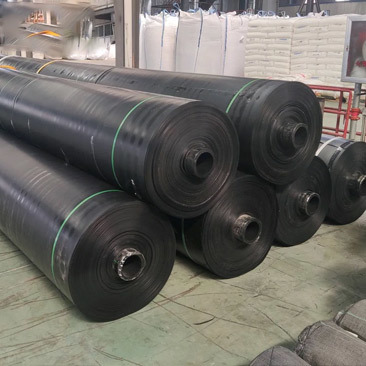
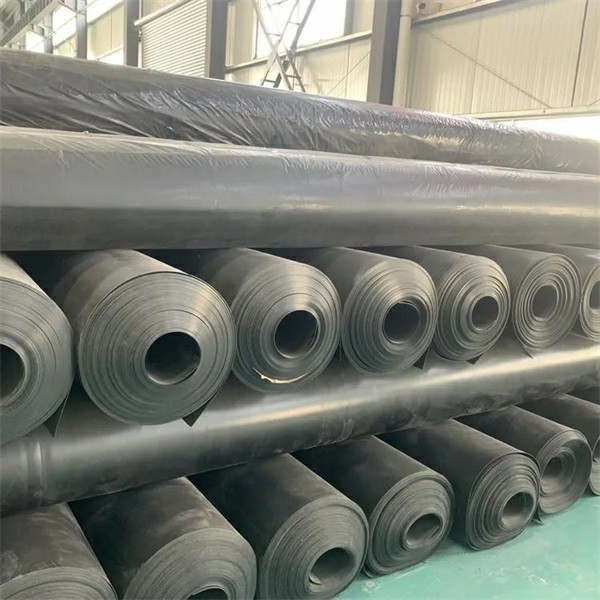
Geomembrane liners are pivotal in various construction applications, particularly within the realm of earthwork projects. These synthetic membranes, often fabricated from materials such as polyethylene, polypropylene, or polyvinyl chloride (PVC), serve as impermeable barriers to control fluid migration and protect the environment. Their versatility makes them indispensable in numerous construction scenarios, including landfill containment, water management, and environmental protection.
One of the primary functions of geomembrane liners is to provide a reliable barrier against liquid leakage. This is crucial in sites where hazardous materials are stored or disposed of, as even a minor leak could lead to significant environmental damage. In landfill applications, geomembranes help to isolate waste materials from groundwater, thereby preventing contamination and ensuring compliance with environmental regulations.
In addition to their impermeability, geomembrane liners offer substantial durability. They are designed to withstand varying environmental conditions, including UV exposure, temperature fluctuations, and chemical interactions. This durability translates into a longer service life, reducing the need for frequent replacements, which can be both costly and time-consuming.
The installation of geomembrane liners also plays a vital role in the overall efficiency of construction projects. Their lightweight nature makes them easier to handle and deploy compared to traditional clay liners. Furthermore, the installation process can often be completed more rapidly, leading to reduced labor costs and project timelines. This efficiency is particularly beneficial in projects that are time-sensitive or budget-constrained.
Moreover, geomembrane liners are increasingly being utilized in water management systems. Their ability to control seepage in reservoirs and ponds makes them ideal for applications involving water conservation and flood control. By minimizing water loss and ensuring that containment structures function effectively, geomembrane liners contribute to more sustainable water management practices.
When selecting a geomembrane liner for your project, it is essential to consider factors such as thickness, tensile strength, and compatibility with the materials involved. Understanding these specifications can help ensure that the chosen geomembrane meets the unique demands of the project, thus optimizing performance and longevity.
In conclusion, geomembrane liners are a critical component in the construction and environmental management sectors. Their impermeability, durability, and efficiency make them an ideal choice for a wide range of applications, from landfill containment to water management systems. As construction projects continue to evolve, the importance of geomembrane liners will only grow, highlighting their role in promoting sustainable practices and environmental protection.
One of the primary functions of geomembrane liners is to provide a reliable barrier against liquid leakage. This is crucial in sites where hazardous materials are stored or disposed of, as even a minor leak could lead to significant environmental damage. In landfill applications, geomembranes help to isolate waste materials from groundwater, thereby preventing contamination and ensuring compliance with environmental regulations.
In addition to their impermeability, geomembrane liners offer substantial durability. They are designed to withstand varying environmental conditions, including UV exposure, temperature fluctuations, and chemical interactions. This durability translates into a longer service life, reducing the need for frequent replacements, which can be both costly and time-consuming.
The installation of geomembrane liners also plays a vital role in the overall efficiency of construction projects. Their lightweight nature makes them easier to handle and deploy compared to traditional clay liners. Furthermore, the installation process can often be completed more rapidly, leading to reduced labor costs and project timelines. This efficiency is particularly beneficial in projects that are time-sensitive or budget-constrained.
Moreover, geomembrane liners are increasingly being utilized in water management systems. Their ability to control seepage in reservoirs and ponds makes them ideal for applications involving water conservation and flood control. By minimizing water loss and ensuring that containment structures function effectively, geomembrane liners contribute to more sustainable water management practices.
When selecting a geomembrane liner for your project, it is essential to consider factors such as thickness, tensile strength, and compatibility with the materials involved. Understanding these specifications can help ensure that the chosen geomembrane meets the unique demands of the project, thus optimizing performance and longevity.
In conclusion, geomembrane liners are a critical component in the construction and environmental management sectors. Their impermeability, durability, and efficiency make them an ideal choice for a wide range of applications, from landfill containment to water management systems. As construction projects continue to evolve, the importance of geomembrane liners will only grow, highlighting their role in promoting sustainable practices and environmental protection.
CONTACT US
Address: Shuangyi Road, Lingcheng District, Dezhou City, Shandong Province


GET A DEDICATED QUOTATION