


The Future of Construction: Why PE Geomembrane is Gaining Popularity
Release time:
2026-01-02
The Future of Construction: Why PE Geomembrane is Gaining Popularity Table of Contents 1. Introduction to PE Geomembranes 2. Understanding the Importance of PE Geomembranes in Construction 3. Key Benefits of Using PE Geomembranes 3.1 Exceptional Durability 3.2 Cost-Effectiveness in Projects 3.3 Positive Environmental Impact 4.
The Future of Construction: Why PE Geomembrane is Gaining Popularity
Table of Contents
- 1. Introduction to PE Geomembranes
- 2. Understanding the Importance of PE Geomembranes in Construction
- 3. Key Benefits of Using PE Geomembranes
- 4. Diverse Applications of PE Geomembranes
- 5. Installation Process of PE Geomembranes
- 6. The Future Trends of PE Geomembranes in Construction
- 7. Challenges in Adopting PE Geomembranes
- 8. Frequently Asked Questions
- 9. Conclusion
1. Introduction to PE Geomembranes
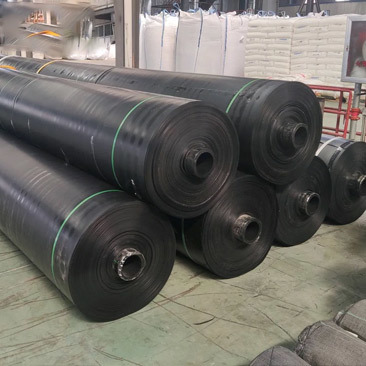
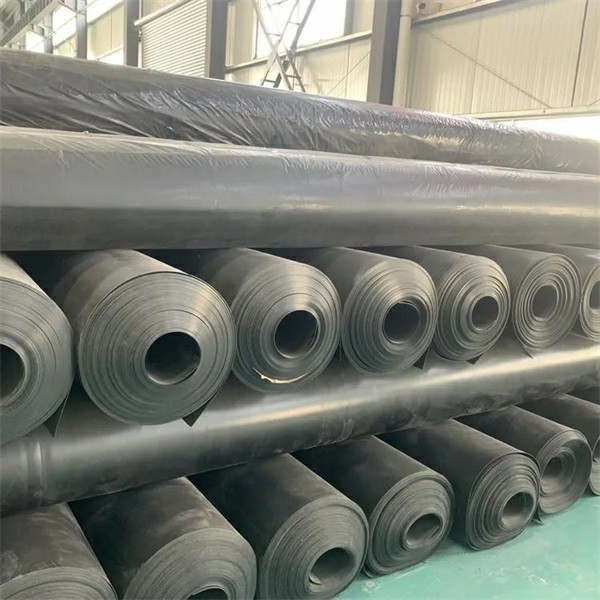
In the ever-evolving construction industry, new materials continuously reshape how projects are designed and executed. Among these innovations, **Polyethylene (PE) geomembranes** have emerged as a game-changing solution. These geomembranes are synthetic membranes made from high-density polyethylene (HDPE) or low-density polyethylene (LDPE), engineered for various applications, including waterproofing, containment, and erosion control. Their unique properties make them an essential component of modern construction practices.
2. Understanding the Importance of PE Geomembranes in Construction
The importance of PE geomembranes in construction cannot be overstated. As regulatory standards for environmental protection become more stringent, the demand for reliable and effective containment solutions rises. PE geomembranes provide an effective barrier against liquids and gases, ensuring hazardous materials do not seep into the environment. This is especially crucial in landfills, mining operations, and wastewater treatment facilities where contamination risks are significant.
Moreover, these materials contribute to the sustainability goals of construction companies, aligning with the industry's push toward greener practices. Their lightweight nature and durability make them easier to transport and install, reducing labor costs and timeframes.
3. Key Benefits of Using PE Geomembranes
PE geomembranes offer several advantages that contribute to their growing popularity in the construction industry.
3.1 Exceptional Durability
One of the standout features of PE geomembranes is their **exceptional durability**. These materials are resistant to UV exposure, chemicals, and extreme weather conditions, ensuring they maintain their integrity over time. This durability is particularly vital for applications in harsh environments where traditional materials may fail.
3.2 Cost-Effectiveness in Projects
The **cost-effectiveness** of PE geomembranes also plays a significant role in their adoption. The longevity and low maintenance requirements of these membranes result in reduced lifecycle costs for construction projects. Additionally, their lightweight nature allows for easier handling and installation, which can lead to significant savings in labor costs.
3.3 Positive Environmental Impact
In today's environmentally conscious world, the **positive environmental impact** of PE geomembranes cannot be overlooked. These materials help prevent contamination of soil and groundwater, making them crucial for projects aimed at protecting ecosystems. Furthermore, the recyclability of polyethylene contributes to a circular economy, reducing waste in landfills.
4. Diverse Applications of PE Geomembranes
PE geomembranes are versatile and find applications across various sectors, including:
- **Landfills:** Used as liners to prevent leachate from contaminating surrounding soil and groundwater.
- **Mining:** Applied in containment systems for tailings and heap leach pads to minimize environmental impact.
- **Water Management:** Utilized in ponds, canals, and reservoirs to reduce water loss through evaporation and seepage.
- **Civil Engineering:** Used in road construction and tunneling to control water flow and protect structures.
The adaptability of PE geomembranes to different applications showcases their significant role in the future of construction.
5. Installation Process of PE Geomembranes
The **installation of PE geomembranes** is a critical phase that demands precision and expertise. The process typically involves the following steps:
1. **Site Preparation:** The area must be cleared, graded, and compacted to ensure a smooth surface for installation.
2. **Material Handling:** The geomembrane sheets are transported to the site and laid out to minimize wrinkles and folds.
3. **Seaming:** The seams between sheets are welded together using hot air or extrusion welding techniques to create a watertight seal.
4. **Testing:** After installation, various tests, such as vacuum tests or spark tests, are conducted to ensure the integrity of the seams and the overall installation.
Proper installation is crucial to maximizing the benefits of PE geomembranes and ensuring their long-term performance.
6. The Future Trends of PE Geomembranes in Construction
Looking ahead, the future of PE geomembranes appears promising. Several trends are emerging within the industry:
- **Advanced Material Development:** Ongoing research is focused on developing even more resilient and multifunctional geomembranes, enhancing their performance across various applications.
- **Integration with Technology:** The incorporation of smart technologies, such as sensors within geomembranes, could provide real-time monitoring of structural integrity and environmental conditions.
- **Sustainability Focus:** As the construction industry adopts more sustainable practices, the demand for eco-friendly materials will likely drive further innovation in geomembrane technology.
These trends indicate that PE geomembranes will play a vital role in shaping the future of construction and environmental protection.
7. Challenges in Adopting PE Geomembranes
Despite their numerous advantages, adopting PE geomembranes is not without challenges. Some issues include:
- **Initial Costs:** Although cost-effective over the long term, the initial investment in materials and specialized installation can be higher than conventional alternatives.
- **Technical Expertise Required:** Successful installation and maintenance of PE geomembranes require skilled professionals, which may be a barrier in regions lacking experienced labor.
- **Regulatory Compliance:** Navigating the complex regulations surrounding environmental protection can present challenges for companies looking to adopt geomembranes.
Addressing these challenges through education, training, and innovation is essential for maximizing the benefits of PE geomembranes.
8. Frequently Asked Questions
What are PE geomembranes made of?
PE geomembranes are primarily made from polyethylene, which can be either high-density (HDPE) or low-density (LDPE), depending on the intended application and required properties.
How long do PE geomembranes last?
With proper installation and maintenance, PE geomembranes can last for several decades, often exceeding 30 years, making them a durable choice for various applications.
Are PE geomembranes environmentally friendly?
Yes, PE geomembranes are considered environmentally friendly as they help prevent soil and groundwater contamination and are recyclable, contributing to sustainable practices.
Can PE geomembranes be used in cold climates?
Absolutely. PE geomembranes are designed to withstand extreme temperatures, making them suitable for various climates, including cold environments.
What industries utilize PE geomembranes?
PE geomembranes are used in numerous industries, including construction, mining, waste management, agriculture, and civil engineering, due to their versatility and effectiveness.
9. Conclusion
In conclusion, PE geomembranes are rapidly gaining popularity in the construction industry due to their unique properties, versatility, and significant benefits. As regulations tighten and sustainability becomes a priority, these materials offer innovative solutions to emerging challenges. With their exceptional durability, cost-effectiveness, and positive environmental impact, PE geomembranes will undoubtedly play a crucial role in shaping the future of construction. As we continue to explore advancements in technology and material science, the potential applications of PE geomembranes will expand, paving the way for a more sustainable and efficient construction industry.
CONTACT US
Address: Shuangyi Road, Lingcheng District, Dezhou City, Shandong Province


GET A DEDICATED QUOTATION