


Evaluating the Performance of Composite Geomembranes: A Comprehensive Analysis
Release time:
2025-12-31
Evaluating the Performance of Composite Geomembranes: A Comprehensive Analysis Table of Contents Introduction to Composite Geomembranes What Are Composite Geomembranes? Importance of Performance Evaluation in Geomembranes Economic Implications Environmental Sustainability Key Performance Metrics of Composite Geomembranes
Evaluating the Performance of Composite Geomembranes: A Comprehensive Analysis
Table of Contents
- Introduction to Composite Geomembranes
- What Are Composite Geomembranes?
- Importance of Performance Evaluation in Geomembranes
- Key Performance Metrics of Composite Geomembranes
- Testing Methods for Performance Evaluation
- Applications of Composite Geomembranes
- Challenges in Performance Evaluation
- Future Trends in Composite Geomembrane Technology
- Conclusion
- Frequently Asked Questions
Introduction to Composite Geomembranes
Composite geomembranes are engineered materials primarily used to control the movement of liquids or gases in various engineering applications. Made from a combination of polymers and other materials, they offer enhanced performance characteristics compared to traditional geomembranes. As industries increasingly focus on sustainability and efficiency, understanding the performance of composite geomembranes is vital for engineers, architects, and environmental scientists alike.
What Are Composite Geomembranes?
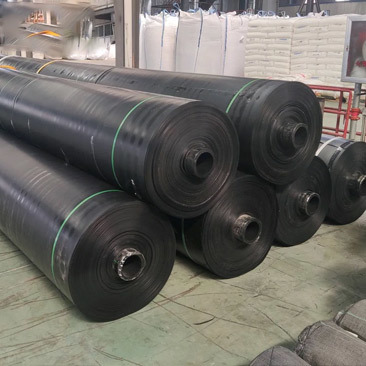
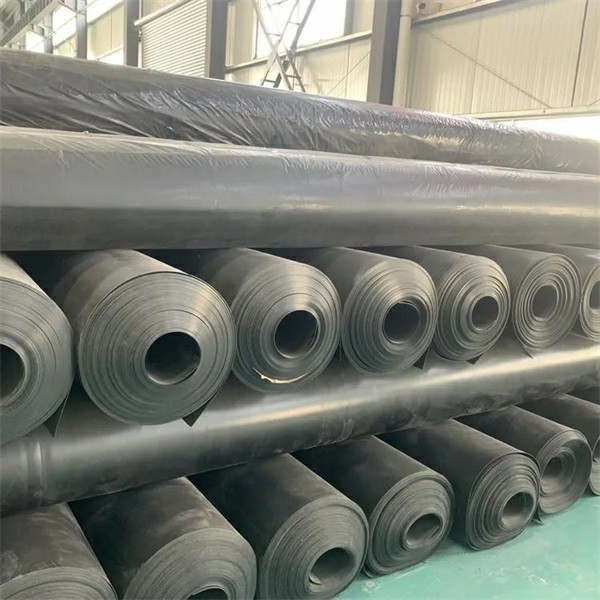
Composite geomembranes consist of two or more layers of materials that work together to provide superior performance. Typically, these layers include a polymer-based geomembrane, such as high-density polyethylene (HDPE), bonded to a geotextile or another protective layer. This combination enhances the material's durability, flexibility, and resistance to environmental factors.
The primary function of composite geomembranes is to act as barriers in applications such as landfill liners, containment systems, and environmental protection. Their unique structure allows them to withstand physical stresses while providing a reliable seal against leaks.
Importance of Performance Evaluation in Geomembranes
Evaluating the performance of composite geomembranes is crucial for several reasons, including economic implications and environmental sustainability.
Economic Implications
The performance of geomembranes directly impacts project costs and long-term financial viability. High-quality materials reduce maintenance needs and the risk of failure, ultimately lowering costs. Engineers and project managers must assess performance metrics to make informed decisions on material selection and project budgets.
Environmental Sustainability
As environmental regulations become stricter, the demand for sustainable solutions increases. Composite geomembranes play a vital role in reducing environmental risks associated with chemical leakage and waste management. Evaluating their effectiveness helps in choosing materials that align with sustainability goals.
Key Performance Metrics of Composite Geomembranes
When assessing composite geomembranes, several key performance metrics must be considered. These metrics define the material's ability to perform under various conditions and ensure safety and reliability.
Tensile Strength
Tensile strength refers to the maximum amount of tensile (pulling) stress that a material can withstand before failure. High tensile strength in composite geomembranes ensures they can resist deformation and rupture under load, making it essential for applications in challenging environments.
Puncture Resistance
Puncture resistance measures a geomembrane's ability to withstand sharp objects or heavy loads without being breached. This is particularly important in landfill applications, where sharp debris might be present. A high puncture resistance rating indicates a robust material capable of maintaining integrity under stress.
Chemical Resistance
Composite geomembranes often come into contact with various chemicals, including leachates from waste. Assessing chemical resistance is crucial to ensure that the geomembrane won't degrade or fail when exposed to harsh substances. This metric determines the material's longevity and effectiveness in containment applications.
UV Resistance
Exposure to ultraviolet (UV) light can compromise the structural integrity of geomembranes over time. UV resistance indicates how well a geomembrane can withstand sun exposure without losing its mechanical properties. This is particularly relevant for applications where the material is exposed to outdoor conditions.
Testing Methods for Performance Evaluation
To accurately gauge the performance of composite geomembranes, various testing methods are employed. These methods can be categorized into laboratory testing and field testing.
Laboratory Testing
Laboratory testing includes controlled experiments designed to measure key performance metrics. Tests often include tensile strength tests, puncture resistance tests, and chemical exposure tests. These controlled scenarios provide reliable data on how geomembranes will perform in real-world conditions.
Field Testing
Field testing involves evaluating geomembrane performance in operational settings. This method assesses how materials perform in actual applications, accounting for factors like environmental conditions and real-time stressors. Field testing is critical for validating laboratory results and ensuring that the material will perform as expected in situ.
Applications of Composite Geomembranes
Composite geomembranes are versatile and find applications in various industries. Understanding their uses can help stakeholders deploy these materials effectively.
Landfill Liners
One of the primary applications of composite geomembranes is in landfill liners. They serve as barriers to prevent leachate from contaminating surrounding soil and groundwater. The performance characteristics of the geomembrane are crucial to ensure long-term containment and compliance with environmental regulations.
Ponds and Reservoirs
In water management, composite geomembranes are often used in ponds and reservoirs, where they help prevent water loss and protect against contamination. Their ability to withstand chemical exposure and physical stress makes them ideal for these applications, providing reliable performance for water conservation.
Challenges in Performance Evaluation
While evaluating composite geomembranes is essential, it comes with challenges. Variables such as material variability, environmental conditions, and the intricacies of testing methods can complicate the evaluation process. Understanding these challenges is critical for engineers and project managers to make informed decisions.
Future Trends in Composite Geomembrane Technology
As technology advances, the future of composite geomembranes looks promising. Innovations in material science are leading to the development of more durable, environmentally friendly, and cost-effective geomembranes. Additionally, smart technologies may soon be integrated into geomembranes, allowing for real-time monitoring of performance and integrity.
Conclusion
Evaluating the performance of composite geomembranes is a critical aspect of engineering and environmental management. By understanding their properties, applications, and testing methods, stakeholders can make informed decisions that ensure project success and environmental safety. The evolution of composite geomembrane technology and its increasing importance in sustainable development underline the need for continuous research and innovation in this field.
Frequently Asked Questions
1. What is a composite geomembrane?
Composite geomembranes are layered materials designed to control the movement of liquids and gases in engineering applications. They combine a polymer-based geomembrane with protective layers to enhance their performance.
2. Why is performance evaluation important for geomembranes?
Performance evaluation is crucial as it affects project costs, compliance with environmental regulations, and the long-term effectiveness of containment solutions.
3. What are the key performance metrics for composite geomembranes?
Key performance metrics include tensile strength, puncture resistance, chemical resistance, and UV resistance.
4. How are composite geomembranes tested?
Composite geomembranes undergo laboratory testing for controlled experiments and field testing to evaluate their performance in real-world conditions.
5. What are the common applications of composite geomembranes?
Common applications include landfill liners, ponds, reservoirs, and containment systems in various environmental and engineering projects.
CONTACT US
Address: Shuangyi Road, Lingcheng District, Dezhou City, Shandong Province


GET A DEDICATED QUOTATION