


Understanding Geomembrane Materials: Essential Insights for Construction Projects
Release time:
2025-12-30
Geomembrane materials play a vital role in modern construction and civil engineering, particularly in applications that require effective containment and separation. Primarily composed of synthetic polymers, geomembranes are designed to control fluid migration in a variety of structures, such as landfills, reservoirs, tunnels, and water treatment facilities. Understanding the characteristics and f
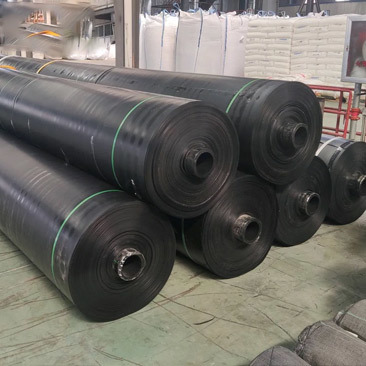
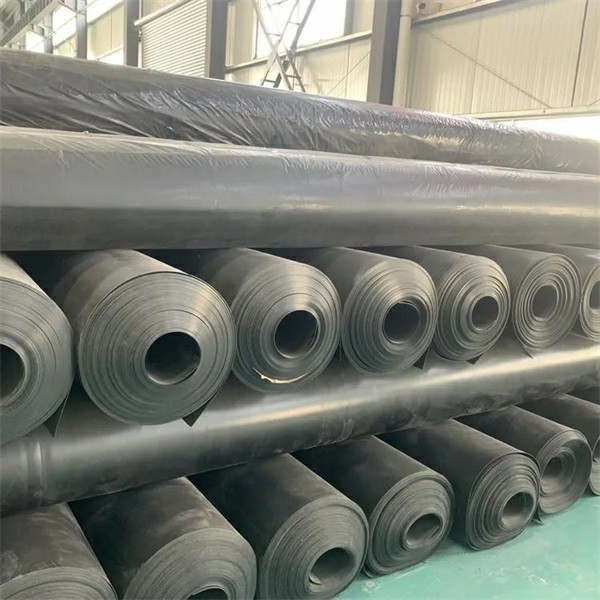
Geomembrane materials play a vital role in modern construction and civil engineering, particularly in applications that require effective containment and separation. Primarily composed of synthetic polymers, geomembranes are designed to control fluid migration in a variety of structures, such as landfills, reservoirs, tunnels, and water treatment facilities. Understanding the characteristics and functionalities of these materials can significantly enhance their application in construction projects.
One of the key advantages of geomembrane materials is their impermeability, which makes them ideal for preventing the leakage of liquids and gases. This property is essential in waste management and environmental protection applications, where the containment of hazardous materials is paramount. By employing geomembranes, engineers can effectively mitigate the risk of soil and groundwater contamination, contributing to sustainable construction practices.
In addition to their impermeable nature, geomembrane materials are known for their flexibility and durability. They can adapt to various design requirements, ensuring compatibility with different substrates and environmental conditions. This flexibility allows for easier installation and maintenance, thus reducing potential downtime during construction projects. Furthermore, modern geomembranes are engineered to withstand extreme temperatures, UV radiation, and chemical exposure, ensuring long-lasting performance even in challenging environments.
Another significant aspect to consider is the variety of geomembrane materials available on the market. Common types include high-density polyethylene (HDPE), linear low-density polyethylene (LLDPE), and polyvinyl chloride (PVC). Each type offers distinct properties that can be leveraged based on specific project needs. For instance, HDPE geomembranes are widely recognized for their strength and resistance to punctures, making them suitable for applications in landfills and containment systems. On the other hand, LLDPE geomembranes provide enhanced flexibility, making them ideal for projects requiring conformability to uneven surfaces.
When selecting geomembrane materials for a construction project, it is crucial to consider factors such as material thickness, installation methods, and potential environmental impacts. Collaborating with experienced engineers and suppliers can provide valuable insights into choosing the most suitable geomembrane for a specific application.
In conclusion, geomembrane materials are indispensable in the construction industry, offering solutions for a wide array of challenges related to fluid containment and environmental protection. By understanding their properties and applications, construction professionals can make informed decisions that enhance project efficiency and sustainability. Adopting the right geomembrane materials is essential for ensuring the success of any construction endeavor, particularly in environments where the integrity of the structure is crucial.
One of the key advantages of geomembrane materials is their impermeability, which makes them ideal for preventing the leakage of liquids and gases. This property is essential in waste management and environmental protection applications, where the containment of hazardous materials is paramount. By employing geomembranes, engineers can effectively mitigate the risk of soil and groundwater contamination, contributing to sustainable construction practices.
In addition to their impermeable nature, geomembrane materials are known for their flexibility and durability. They can adapt to various design requirements, ensuring compatibility with different substrates and environmental conditions. This flexibility allows for easier installation and maintenance, thus reducing potential downtime during construction projects. Furthermore, modern geomembranes are engineered to withstand extreme temperatures, UV radiation, and chemical exposure, ensuring long-lasting performance even in challenging environments.
Another significant aspect to consider is the variety of geomembrane materials available on the market. Common types include high-density polyethylene (HDPE), linear low-density polyethylene (LLDPE), and polyvinyl chloride (PVC). Each type offers distinct properties that can be leveraged based on specific project needs. For instance, HDPE geomembranes are widely recognized for their strength and resistance to punctures, making them suitable for applications in landfills and containment systems. On the other hand, LLDPE geomembranes provide enhanced flexibility, making them ideal for projects requiring conformability to uneven surfaces.
When selecting geomembrane materials for a construction project, it is crucial to consider factors such as material thickness, installation methods, and potential environmental impacts. Collaborating with experienced engineers and suppliers can provide valuable insights into choosing the most suitable geomembrane for a specific application.
In conclusion, geomembrane materials are indispensable in the construction industry, offering solutions for a wide array of challenges related to fluid containment and environmental protection. By understanding their properties and applications, construction professionals can make informed decisions that enhance project efficiency and sustainability. Adopting the right geomembrane materials is essential for ensuring the success of any construction endeavor, particularly in environments where the integrity of the structure is crucial.
CONTACT US
Address: Shuangyi Road, Lingcheng District, Dezhou City, Shandong Province


GET A DEDICATED QUOTATION