


Maximizing Efficiency with Geomembrane Solutions: A Deep Dive into Applications and Benefits
Release time:
2025-12-29
Maximizing Efficiency with Geomembrane Solutions Table of Contents 1. Introduction to Geomembranes 2. What are Geomembranes? 3. Types of Geomembranes and Their Applications 4. Benefits of Using Geomembrane Solutions 5. Maximizing Construction Efficiency with Geomembranes 6. The Installation Process: Key Considerations 7. Real-World Case Studies 8. The Future of Geo
Maximizing Efficiency with Geomembrane Solutions
Table of Contents
- 1. Introduction to Geomembranes
- 2. What are Geomembranes?
- 3. Types of Geomembranes and Their Applications
- 4. Benefits of Using Geomembrane Solutions
- 5. Maximizing Construction Efficiency with Geomembranes
- 6. The Installation Process: Key Considerations
- 7. Real-World Case Studies
- 8. The Future of Geomembrane Technology
- 9. Frequently Asked Questions
- 10. Conclusion
1. Introduction to Geomembranes
In the realm of construction and environmental management, **geomembranes** are emerging as a crucial component for ensuring project efficiency and sustainability. These synthetic membranes are primarily used for water and waste containment, making them a versatile solution in various industries. By understanding the properties and applications of geomembranes, we can leverage their advantages to optimize construction processes, reduce environmental impact, and ultimately save on costs.
2. What are Geomembranes?
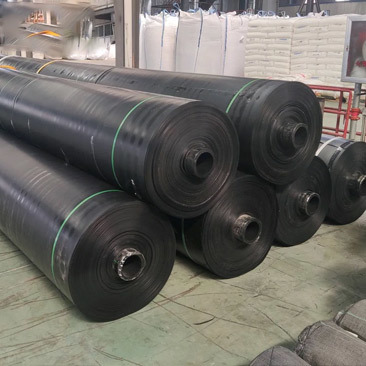
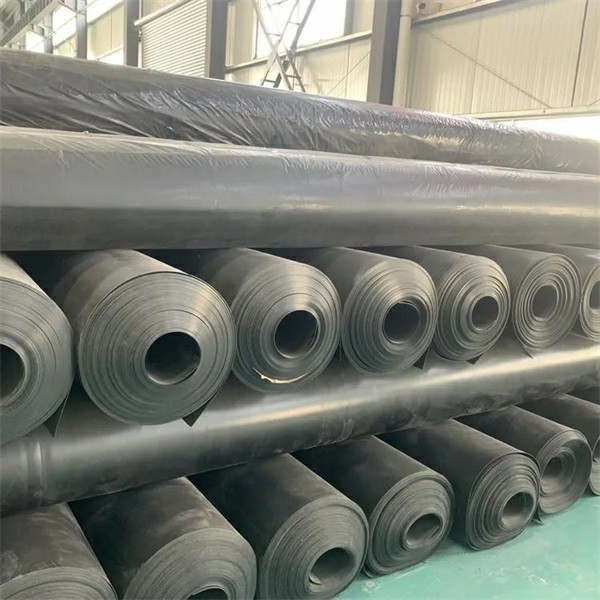
Geomembranes are **impermeable membranes** made from synthetic materials designed to control fluid and gas migration in various applications. They are typically composed of materials like high-density polyethylene (HDPE), low-density polyethylene (LDPE), or polyvinyl chloride (PVC). Their primary function is to act as a barrier, preventing contaminants from leaching into the environment while also providing structural integrity for various systems.
Key Characteristics of Geomembranes
The effectiveness of geomembranes is attributed to several key characteristics:
- **Chemical Resistance**: Geomembranes can withstand a variety of chemicals, making them suitable for hazardous waste containment.
- **Durability**: Designed to last for decades, geomembranes are resistant to punctures, UV radiation, and weathering.
- **Flexibility**: The flexibility of geomembranes allows them to conform to various surfaces and shapes, enhancing their application range.
3. Types of Geomembranes and Their Applications
Different types of geomembranes are available for specific applications, each with unique properties and benefits.
High-Density Polyethylene (HDPE) Geomembranes
HDPE geomembranes are widely used due to their strength and chemical resistance. Applications include:
- Landfill liners
- Waste containment
- Water reservoirs
Low-Density Polyethylene (LDPE) Geomembranes
LDPE geomembranes offer superior flexibility, making them ideal for applications that require a tight seal, such as:
- Agricultural ponds
- Aquaculture
- Environmental protection projects
Polyvinyl Chloride (PVC) Geomembranes
PVC geomembranes are known for their versatility and ease of installation. They are commonly used in:
- Swimming pool liners
- Decorative water features
- Retention basins
4. Benefits of Using Geomembrane Solutions
Incorporating geomembranes into your projects comes with a myriad of benefits that can significantly enhance efficiency:
1. Cost-Effective Solutions
Utilizing geomembranes reduces the need for extensive excavation and backfilling, thus lowering overall project costs. Their longevity also minimizes maintenance expenses.
2. Environmental Protection
Geomembranes prevent contaminants from entering soil and water systems, safeguarding the environment and adhering to regulatory standards. This is particularly crucial in waste management and landfill operations.
3. Enhanced Project Efficiency
The lightweight nature of geomembranes simplifies transportation and installation, reducing labor costs and timelines. Quick installation contributes to faster project completion.
4. Versatility in Applications
Geomembranes are suitable for various applications, from construction sites to agricultural settings, making them a versatile choice for contractors and developers alike.
5. Maximizing Construction Efficiency with Geomembranes
To maximize efficiency in construction projects using geomembranes, several strategies can be implemented:
Streamlined Design Processes
Integrating geomembranes into the design phase allows for better planning and resource allocation. Early consideration of geomembrane specifications can significantly impact project timelines.
Utilizing Advanced Installation Techniques
Employing modern installation methods, such as automated welding and geosynthetic installation equipment, enhances the speed and precision of geomembrane placement.
Continuous Training and Evaluation
Ensuring that the installation team is well-trained in geomembrane technologies can lead to fewer errors and improved outcomes. Regular evaluations of performance and installation practices help maintain high standards.
6. The Installation Process: Key Considerations
The installation of geomembranes requires careful planning and execution. Key factors to consider include:
Site Preparation
Proper site preparation is essential to ensure the longevity and effectiveness of geomembranes. This includes grading, compaction, and clearing debris to provide a smooth surface for installation.
Seaming Techniques
Effective seaming techniques, such as thermal welding or adhesive bonding, are critical to creating a secure and impermeable barrier. Each method has its benefits and should be chosen based on project requirements.
Quality Control
Implementing rigorous quality control measures during and after installation ensures that geomembranes meet industry standards and perform as intended. Regular inspections and testing of seams and the overall integrity are vital.
7. Real-World Case Studies
To illustrate the effectiveness of geomembranes, consider the following case studies:
Case Study 1: Landfill Liner Project
A municipal landfill utilized HDPE geomembranes to create a barrier that prevented leachate from contaminating local groundwater. The project resulted in a significant reduction in environmental risk and compliance with state regulations.
Case Study 2: Agricultural Water Reservoir
An agricultural enterprise implemented LDPE geomembranes for a water reservoir. The flexible material allowed for easy installation and created a cost-effective solution for storing irrigation water, leading to improved crop yields.
8. The Future of Geomembrane Technology
The geomembrane industry is evolving, with advancements in materials and technologies paving the way for better performance and sustainability:
Innovative Materials
Research into biopolymers and other sustainable materials is promising, as the industry moves towards **eco-friendly alternatives** to traditional geomembranes.
Smart Geomembranes
The integration of sensors into geomembranes could revolutionize monitoring capabilities, allowing for real-time data on performance and environmental impact.
9. Frequently Asked Questions
1. What is the lifespan of geomembranes?
Geomembranes can last between 20 to 50 years, depending on the material and environmental conditions.
2. Can geomembranes be repaired if damaged?
Yes, geomembranes can be repaired using various methods, including patches or welding.
3. Are geomembranes environmentally friendly?
Many geomembranes are designed to be environmentally safe and can help protect ecosystems from contamination.
4. How are geomembranes installed?
Installation involves site preparation, laying the geomembrane, and securing seams through welding or adhesives.
5. What factors can affect geomembrane performance?
Factors such as material quality, installation techniques, and environmental conditions can influence performance.
10. Conclusion
In conclusion, **geomembrane solutions** represent a powerful tool in maximizing efficiency in construction and environmental management. By understanding their properties, applications, and benefits, stakeholders can make informed decisions that promote sustainability and cost-effectiveness. As technology continues to advance, the potential for geomembranes will only grow, paving the way for innovative applications that further enhance their role in responsible project management. Embrace geomembranes in your next endeavor to achieve unparalleled efficiency and environmental stewardship.
CONTACT US
Address: Shuangyi Road, Lingcheng District, Dezhou City, Shandong Province


GET A DEDICATED QUOTATION