


Understanding PE Geomembrane: A Key Material in Construction and Civil Engineering
Release time:
2025-12-25
PE geomembrane, or polyethylene geomembrane, is a synthetic liner or barrier used in various civil engineering and construction applications. It is primarily made from high-density polyethylene (HDPE) or low-density polyethylene (LDPE), and its primary function is to control fluid or gas migration in a variety of settings. This versatile material is widely utilized in landfills, ponds, canals, and
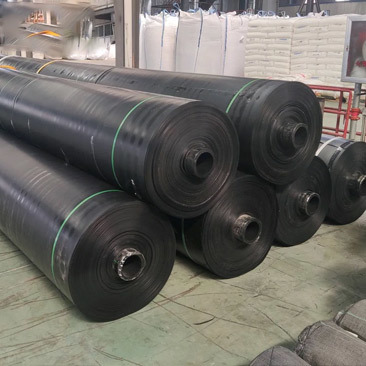
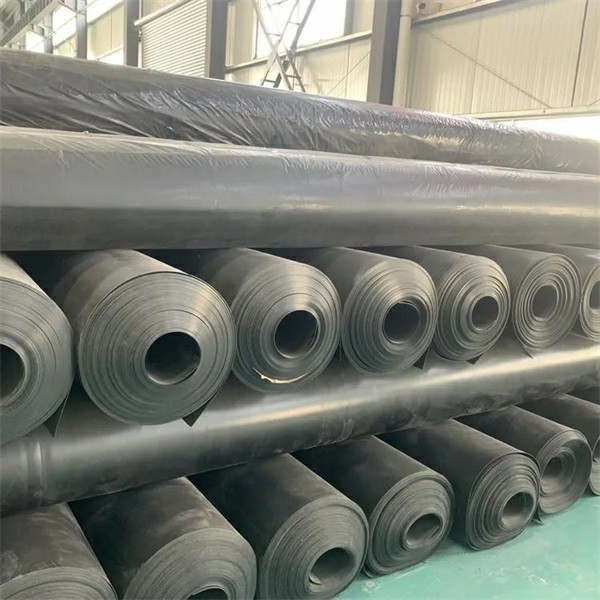
PE geomembrane, or polyethylene geomembrane, is a synthetic liner or barrier used in various civil engineering and construction applications. It is primarily made from high-density polyethylene (HDPE) or low-density polyethylene (LDPE), and its primary function is to control fluid or gas migration in a variety of settings. This versatile material is widely utilized in landfills, ponds, canals, and other containment facilities where leak prevention is crucial.
One of the key properties of PE geomembrane is its excellent impermeability. With a low permeability coefficient, it effectively prevents water or other liquids from seepage, making it ideal for applications like waste management and environmental protection. Furthermore, its chemical resistance is noteworthy; it withstands a broad range of substances, including acids, bases, and hydrocarbons, ensuring durability in harsh environments.
In construction and outdoor projects, PE geomembrane plays a vital role in waterproofing and ground stabilization. It is often employed in the construction of reservoirs and irrigation ponds to prevent water loss and maintain water quality. Additionally, its use in retaining walls and foundation systems helps to mitigate the risk of groundwater contamination, protecting both the environment and infrastructural integrity.
Another advantage of PE geomembrane is its lightweight nature, making it easy to handle and install. This can lead to significant time and labor savings on construction sites. Moreover, it is available in various thicknesses and sizes, allowing for customization based on specific project requirements. This adaptability makes it a preferred choice for civil engineers and project managers.
In terms of environmental impact, PE geomembrane is considered a sustainable option. Its long lifespan reduces the need for frequent replacements, and it can be recycled at the end of its service life, aligning with contemporary sustainability goals in the construction industry.
To summarize, PE geomembrane is a highly effective solution for fluid containment and environmental protection in construction applications. Its impermeability, chemical resistance, and lightweight nature ensure it meets the demands of various projects while enhancing safety and sustainability. For professionals in the construction and decorative materials sector, understanding the benefits and applications of PE geomembrane is crucial for successful project execution.
One of the key properties of PE geomembrane is its excellent impermeability. With a low permeability coefficient, it effectively prevents water or other liquids from seepage, making it ideal for applications like waste management and environmental protection. Furthermore, its chemical resistance is noteworthy; it withstands a broad range of substances, including acids, bases, and hydrocarbons, ensuring durability in harsh environments.
In construction and outdoor projects, PE geomembrane plays a vital role in waterproofing and ground stabilization. It is often employed in the construction of reservoirs and irrigation ponds to prevent water loss and maintain water quality. Additionally, its use in retaining walls and foundation systems helps to mitigate the risk of groundwater contamination, protecting both the environment and infrastructural integrity.
Another advantage of PE geomembrane is its lightweight nature, making it easy to handle and install. This can lead to significant time and labor savings on construction sites. Moreover, it is available in various thicknesses and sizes, allowing for customization based on specific project requirements. This adaptability makes it a preferred choice for civil engineers and project managers.
In terms of environmental impact, PE geomembrane is considered a sustainable option. Its long lifespan reduces the need for frequent replacements, and it can be recycled at the end of its service life, aligning with contemporary sustainability goals in the construction industry.
To summarize, PE geomembrane is a highly effective solution for fluid containment and environmental protection in construction applications. Its impermeability, chemical resistance, and lightweight nature ensure it meets the demands of various projects while enhancing safety and sustainability. For professionals in the construction and decorative materials sector, understanding the benefits and applications of PE geomembrane is crucial for successful project execution.
CONTACT US
Address: Shuangyi Road, Lingcheng District, Dezhou City, Shandong Province


GET A DEDICATED QUOTATION