


The Essential Guide to Geomembranes: Innovations in Construction and Site Development
Release time:
2025-12-20
Geomembranes are a crucial component in the field of construction, particularly within site development and civil engineering projects. These synthetic membranes, primarily made from polymer materials, serve as waterproof barriers, effectively preventing the migration of fluids and contaminants. Their versatility and durability have made them a preferred choice for various applications, ranging fr
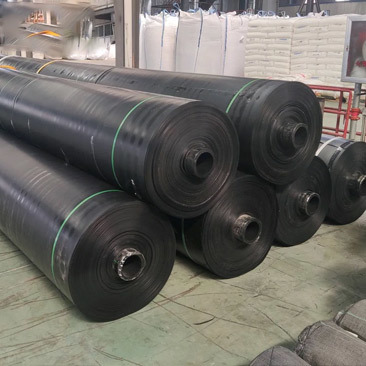
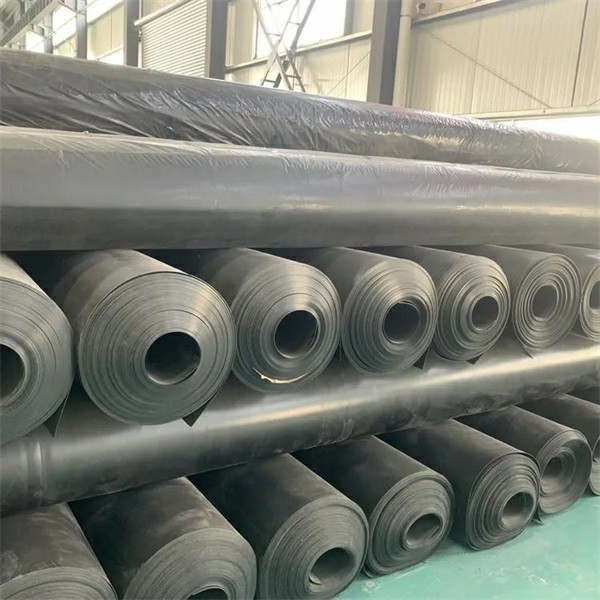
Geomembranes are a crucial component in the field of construction, particularly within site development and civil engineering projects. These synthetic membranes, primarily made from polymer materials, serve as waterproof barriers, effectively preventing the migration of fluids and contaminants. Their versatility and durability have made them a preferred choice for various applications, ranging from landfill liners to water containment systems.
One of the primary benefits of geomembranes is their ability to provide a reliable seal against soil and water contamination. In environmental protection projects, they are utilized to line landfills, preventing leachate from polluting groundwater. Similarly, geomembranes are employed in reservoirs and ponds to ensure water retention and prevent evaporation, making them invaluable in arid regions or areas facing water scarcity.
In addition to their protective qualities, geomembranes contribute to the efficiency of construction projects. The installation of these membranes can significantly reduce the time and labor required for site preparation. Their lightweight nature allows for easier handling and installation, which can lead to reduced overall project costs. Furthermore, advancements in geomembrane technology, such as the development of reinforced and multi-layered membranes, enhance their performance and lifespan, further benefitting construction projects.
Another noteworthy aspect of geomembranes is their role in slope stabilization and erosion control. When used in conjunction with soil or vegetation, geomembranes can help maintain the integrity of slopes, preventing landslides and soil erosion. This application is particularly relevant in regions with challenging topography or where heavy rainfall is common.
When considering the implementation of geomembranes in a project, various factors must be taken into account. Selecting the appropriate material based on the specific application is crucial. Key considerations include the type of fluid being contained, environmental conditions, and the expected load on the membrane. Additionally, proper installation techniques are essential to ensure long-term performance and durability.
In conclusion, geomembranes represent a vital innovation in the construction and site development sector. Their multifunctional capabilities, from environmental protection to construction efficiency, make them an indispensable asset for modern projects. Understanding their applications and benefits equips professionals with the knowledge to make informed decisions, ultimately leading to more successful and sustainable outcomes in their construction endeavors.
One of the primary benefits of geomembranes is their ability to provide a reliable seal against soil and water contamination. In environmental protection projects, they are utilized to line landfills, preventing leachate from polluting groundwater. Similarly, geomembranes are employed in reservoirs and ponds to ensure water retention and prevent evaporation, making them invaluable in arid regions or areas facing water scarcity.
In addition to their protective qualities, geomembranes contribute to the efficiency of construction projects. The installation of these membranes can significantly reduce the time and labor required for site preparation. Their lightweight nature allows for easier handling and installation, which can lead to reduced overall project costs. Furthermore, advancements in geomembrane technology, such as the development of reinforced and multi-layered membranes, enhance their performance and lifespan, further benefitting construction projects.
Another noteworthy aspect of geomembranes is their role in slope stabilization and erosion control. When used in conjunction with soil or vegetation, geomembranes can help maintain the integrity of slopes, preventing landslides and soil erosion. This application is particularly relevant in regions with challenging topography or where heavy rainfall is common.
When considering the implementation of geomembranes in a project, various factors must be taken into account. Selecting the appropriate material based on the specific application is crucial. Key considerations include the type of fluid being contained, environmental conditions, and the expected load on the membrane. Additionally, proper installation techniques are essential to ensure long-term performance and durability.
In conclusion, geomembranes represent a vital innovation in the construction and site development sector. Their multifunctional capabilities, from environmental protection to construction efficiency, make them an indispensable asset for modern projects. Understanding their applications and benefits equips professionals with the knowledge to make informed decisions, ultimately leading to more successful and sustainable outcomes in their construction endeavors.
CONTACT US
Address: Shuangyi Road, Lingcheng District, Dezhou City, Shandong Province


GET A DEDICATED QUOTATION