


Durable HDPE Geomembrane Supports Environmental and Civil Engineering Projects
Release time:
2025-12-19
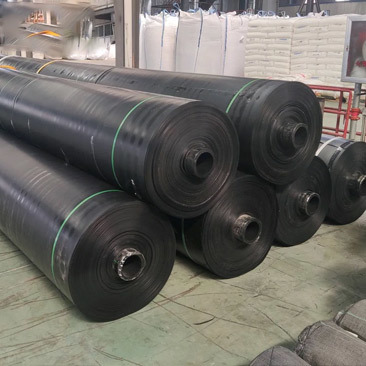
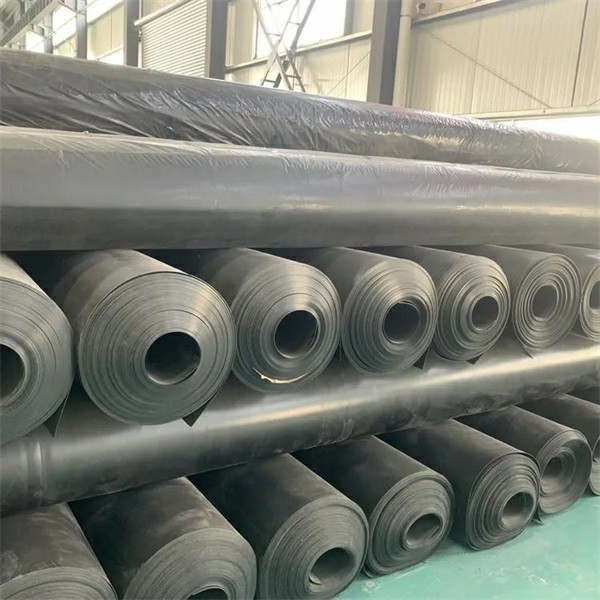
In modern environmental protection, water management, and civil engineering, creating reliable barriers to contain liquids and prevent contamination is a fundamental requirement. Whether for a landfill, a wastewater treatment pond, or an aquaculture facility, the integrity of the lining system is critical for long-term functionality and environmental safety. A material commonly specified for this purpose is high-density polyethylene geomembrane, known for its impermeability and chemical resistance. For project engineers and site managers, selecting a high-performance durable HDPE geomembrane is a key decision that influences the project's lifespan and compliance.
In modern environmental protection, water management, and civil engineering, creating reliable barriers to contain liquids and prevent contamination is a fundamental requirement. Whether for a landfill, a wastewater treatment pond, or an aquaculture facility, the integrity of the lining system is critical for long-term functionality and environmental safety. A material commonly specified for this purpose is high-density polyethylene geomembrane, known for its impermeability and chemical resistance. For project engineers and site managers, selecting a high-performance durable HDPE geomembrane is a key decision that influences the project's lifespan and compliance.

The composition of HDPE geomembrane contributes directly to its performance in the field. By incorporating additives like carbon black and UV stabilizers during manufacturing, the material gains enhanced resistance to sunlight degradation and oxidation. This is particularly important for exposed applications like pond liners or landfill caps. For an engineer designing a containment system, knowing the geomembrane offers excellent chemical resistance and low permeability provides assurance that it will effectively isolate contaminants or retain water over decades, even when in contact with various soil conditions and leachates.
The availability of different textures and specifications adds to its versatility. Smooth surfaces are often used for applications requiring low friction, while textured surfaces provide increased interface friction on slopes to prevent slippage. The ability to customize width, length, and thickness allows the material to be tailored to specific site dimensions and stress requirements. By incorporating a reliable durable HDPE geomembrane into their designs, project teams can build containment structures with confidence, knowing they have a foundational layer that balances impermeability with long-term durability under demanding environmental conditions.
CONTACT US
Address: Shuangyi Road, Lingcheng District, Dezhou City, Shandong Province


GET A DEDICATED QUOTATION