


The Role of Geomembrane Material in Innovative Waterproofing Solutions
Release time:
2025-12-22
The Role of Geomembrane Material in Innovative Waterproofing Solutions Table of Contents Introduction to Geomembranes Understanding Geomembranes: Definition and Types Applications of Geomembrane Materials in Construction Benefits of Using Geomembranes in Waterproofing Installation Techniques for Geomembranes Maintenance and Longevity of Geomembrane Solutions Environmen
The Role of Geomembrane Material in Innovative Waterproofing Solutions
Table of Contents
- Introduction to Geomembranes
- Understanding Geomembranes: Definition and Types
- Applications of Geomembrane Materials in Construction
- Benefits of Using Geomembranes in Waterproofing
- Installation Techniques for Geomembranes
- Maintenance and Longevity of Geomembrane Solutions
- Environmental Impact of Geomembrane Materials
- Future Trends in Geomembrane Technology
- Frequently Asked Questions
- Conclusion
Introduction to Geomembranes
In the ever-evolving field of construction and landscaping, **geomembranes** have emerged as a crucial component in **waterproofing solutions**. These materials, typically made from synthetic polymers, serve as effective barriers against water and other fluids, ensuring structural integrity and longevity in various applications. Understanding their role and functionality is essential for professionals dedicated to optimizing construction practices.
Understanding Geomembranes: Definition and Types
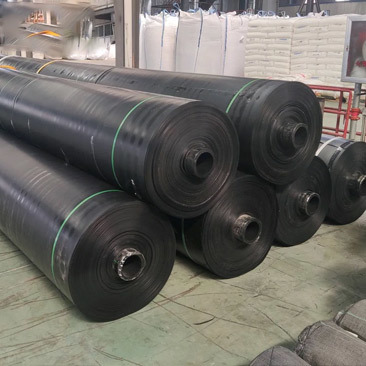
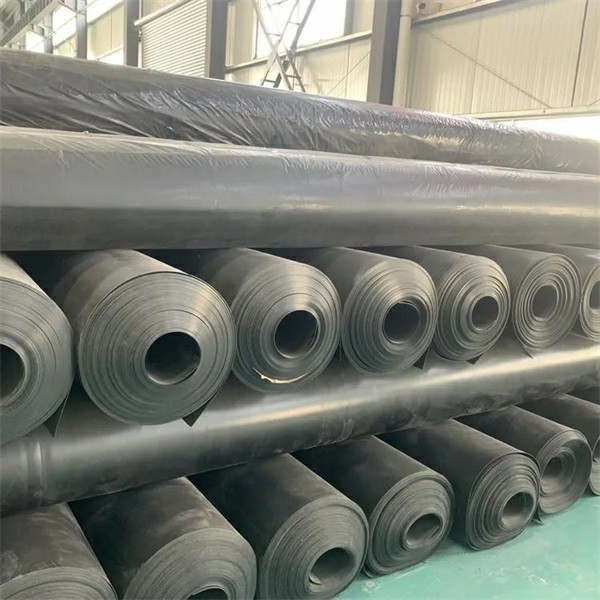
Geomembranes are impermeable membranes used to control fluid or gas migration in a variety of applications. They are manufactured from materials such as **high-density polyethylene (HDPE)**, **polyvinyl chloride (PVC)**, and **ethylene propylene diene monomer (EPDM)**.
Types of Geomembranes
1. **HDPE Geomembranes:** Known for their strength and chemical resistance, HDPE geomembranes are widely used in landfills, ponds, and water containment applications.
2. **PVC Geomembranes:** These are flexible and versatile, making them suitable for various lining applications, including irrigation and sewage systems.
3. **EPDM Geomembranes:** EPDM offers excellent durability and resistance to UV radiation, making it ideal for roofing applications and exposed environments.
Each type of geomembrane has its unique properties, allowing them to be tailored for specific applications within the waterproofing industry.
Applications of Geomembrane Materials in Construction
Geomembranes are utilized across numerous sectors, each serving to enhance waterproofing capabilities.
1. Landfill Liners
One of the primary applications is in **landfill construction**, where geomembranes act as barriers to prevent leachate contamination from entering the groundwater.
2. Water Reservoirs and Ponds
Geomembranes are widely employed in **water storage facilities**, where their impermeability safeguards against leakage, ensuring the efficient management of water resources.
3. Wastewater Treatment Facilities
In **wastewater management**, geomembranes provide critical containment solutions, preventing contaminants from escaping and facilitating proper treatment processes.
4. Green Roof Systems
Geomembranes play an integral role in **green roofing**, where they support moisture retention and drainage while protecting underlying structures from water damage.
Benefits of Using Geomembranes in Waterproofing
The advantages of incorporating geomembranes into waterproofing solutions are extensive.
1. Durability and Longevity
Geomembranes are engineered to withstand harsh environmental conditions, ensuring long-lasting performance and reduced maintenance costs over time.
2. Cost-Effectiveness
By minimizing water loss and damage, geomembranes contribute to overall cost savings in construction projects, offering a favorable return on investment.
3. Versatility
With various types available, geomembranes can be customized to suit diverse applications, making them suitable for different environmental conditions and project requirements.
4. Environmental Protection
Using geomembranes significantly mitigates environmental risks associated with contamination, safeguarding ecosystems and promoting responsible construction practices.
Installation Techniques for Geomembranes
Effective installation is pivotal to the performance of geomembranes. Adhering to best practices ensures optimal results.
1. Site Preparation
Before installation, thorough site preparation is essential. This includes clearing debris, leveling the ground, and ensuring proper drainage systems are in place.
2. Seam Welding
Seam welding is a critical process in joining geomembrane sheets. Techniques such as **hot air welding** and **extrusion welding** are commonly used to create strong and durable seams.
3. Quality Control Inspections
Post-installation inspections are necessary to ensure the integrity of the geomembrane system. This includes visual assessments and non-destructive testing methods to identify potential weaknesses.
Maintenance and Longevity of Geomembrane Solutions
To maximize the lifespan of geomembrane systems, regular maintenance is essential.
1. Routine Inspections
Conducting routine inspections helps identify any damage or wear that may compromise the geomembrane's performance, allowing for timely repairs.
2. Cleaning Procedures
Maintaining a clean surface prevents the buildup of debris and contaminants that could affect the geomembrane's integrity.
3. Repairs and Replacements
Addressing any punctures or tears promptly is crucial for maintaining the waterproofing capabilities of the geomembrane system.
Environmental Impact of Geomembrane Materials
While geomembranes offer substantial benefits, understanding their environmental impact is crucial.
1. Material Sustainability
Many geomembrane materials are designed to be environmentally friendly. For instance, HDPE is recyclable, reducing landfill contributions.
2. Mitigation of Contaminants
By preventing leaks, geomembranes play a key role in protecting groundwater and surrounding ecosystems from harmful substances.
Future Trends in Geomembrane Technology
As technology advances, geomembrane materials continue to evolve, leading to improved performance and applications.
1. Smart Geomembranes
Innovations like smart geomembranes, integrated with sensors, are emerging to monitor conditions in real-time, enhancing maintenance strategies.
2. Biodegradable Alternatives
The development of biodegradable geomembranes presents a promising solution for sustainable construction practices, reducing plastic waste in landfills.
Frequently Asked Questions
1. What is a geomembrane?
A geomembrane is an impermeable membrane used to control the migration of fluids or gases in various applications, particularly in construction and environmental projects.
2. How are geomembranes installed?
Geomembranes are installed by preparing the site, welding seams, and conducting quality control inspections to ensure integrity.
3. What are the different types of geomembranes?
The most common types include HDPE, PVC, and EPDM, each with unique properties suited for specific applications.
4. Are geomembranes environmentally friendly?
Many geomembranes are designed with sustainability in mind, and they help prevent contamination, protecting the environment.
5. How often should geomembranes be inspected?
Routine inspections are recommended at least annually or after significant weather events to ensure ongoing performance.
Conclusion
In conclusion, geomembrane materials are indispensable in the realm of waterproofing solutions, offering durability, versatility, and environmental protection. Their applications span various sectors, from landfill liners to green roofing, demonstrating their critical role in modern construction practices. By investing in the right geomembrane systems and adhering to best installation and maintenance practices, professionals can ensure long-lasting, effective waterproofing that meets the challenges of today’s construction landscape. Embracing innovations in geomembrane technology will not only enhance project outcomes but also pave the way for a more sustainable future in the industry.
CONTACT US
Address: Shuangyi Road, Lingcheng District, Dezhou City, Shandong Province


GET A DEDICATED QUOTATION