


Understanding Geomembrane Materials: Key Facts for Construction Professionals
Release time:
2025-12-16
Geomembrane materials are synthetic membranes that are designed to provide a barrier to fluid or gas migration in a wide range of applications. They are made from various polymers, with high-density polyethylene (HDPE), linear low-density polyethylene (LLDPE), and polyvinyl chloride (PVC) being the most commonly used. The choice of geomembrane material often depends on the specific requirements of
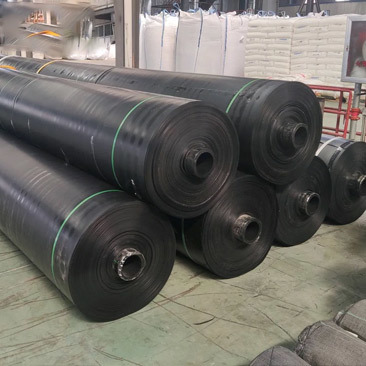
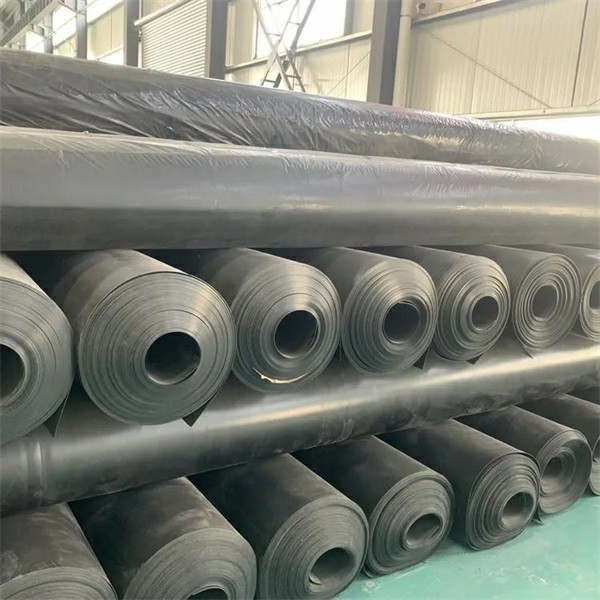
Geomembrane materials are synthetic membranes that are designed to provide a barrier to fluid or gas migration in a wide range of applications. They are made from various polymers, with high-density polyethylene (HDPE), linear low-density polyethylene (LLDPE), and polyvinyl chloride (PVC) being the most commonly used. The choice of geomembrane material often depends on the specific requirements of the project, including environmental conditions and desired longevity.
One of the primary applications of geomembranes is in containment systems. They are widely used for lining landfills, ponds, and reservoirs to prevent the leakage of hazardous materials into the surrounding environment. By acting as a waterproof barrier, geomembranes help to protect soil and groundwater from contamination, making them an essential component in environmental protection efforts.
In addition to containment applications, geomembrane materials are also utilized in drainage systems, where they facilitate the movement of water while preventing soil erosion. Their flexibility and durability make them suitable for various soil conditions, allowing for effective drainage solutions in construction projects. Moreover, geomembranes can be used in underground reservoirs and aquifer recharge systems, showcasing their versatility in water management.
The performance of geomembrane materials is influenced by several key properties, including tensile strength, elongation, and resistance to puncturing. These materials are engineered to withstand harsh environmental conditions such as UV exposure, temperature fluctuations, and chemical attacks. Additionally, they exhibit excellent hydraulic properties, ensuring efficient fluid control in various applications.
When selecting the appropriate geomembrane material for a project, it is crucial to consider factors such as the chemical compatibility of the material with the stored substances, the installation environment, and local regulatory requirements. Proper installation techniques, including welding and sealing, are essential to ensure the long-term effectiveness of the geomembrane system.
In conclusion, geomembrane materials are vital to the construction and environmental sectors, offering robust solutions for containment and drainage challenges. By understanding the properties and applications of geomembranes, construction professionals can make informed decisions that enhance project efficiency and environmental sustainability.
One of the primary applications of geomembranes is in containment systems. They are widely used for lining landfills, ponds, and reservoirs to prevent the leakage of hazardous materials into the surrounding environment. By acting as a waterproof barrier, geomembranes help to protect soil and groundwater from contamination, making them an essential component in environmental protection efforts.
In addition to containment applications, geomembrane materials are also utilized in drainage systems, where they facilitate the movement of water while preventing soil erosion. Their flexibility and durability make them suitable for various soil conditions, allowing for effective drainage solutions in construction projects. Moreover, geomembranes can be used in underground reservoirs and aquifer recharge systems, showcasing their versatility in water management.
The performance of geomembrane materials is influenced by several key properties, including tensile strength, elongation, and resistance to puncturing. These materials are engineered to withstand harsh environmental conditions such as UV exposure, temperature fluctuations, and chemical attacks. Additionally, they exhibit excellent hydraulic properties, ensuring efficient fluid control in various applications.
When selecting the appropriate geomembrane material for a project, it is crucial to consider factors such as the chemical compatibility of the material with the stored substances, the installation environment, and local regulatory requirements. Proper installation techniques, including welding and sealing, are essential to ensure the long-term effectiveness of the geomembrane system.
In conclusion, geomembrane materials are vital to the construction and environmental sectors, offering robust solutions for containment and drainage challenges. By understanding the properties and applications of geomembranes, construction professionals can make informed decisions that enhance project efficiency and environmental sustainability.
CONTACT US
Address: Shuangyi Road, Lingcheng District, Dezhou City, Shandong Province


GET A DEDICATED QUOTATION