


How Composite Geomembranes Aid in Subsurface Drainage Systems
Release time:
2025-12-17
Understanding Composite Geomembranes and Their Significance in Subsurface Drainage Systems What Are Composite Geomembranes? Composite geomembranes are engineered polymers that combine two or more materials to enhance performance. They typically consist of a geomembrane layer, often made from materials like high-density polyethylene (HDPE), sandwiched between geotextiles or other substrates. This u
Understanding Composite Geomembranes and Their Significance in Subsurface Drainage Systems
What Are Composite Geomembranes?
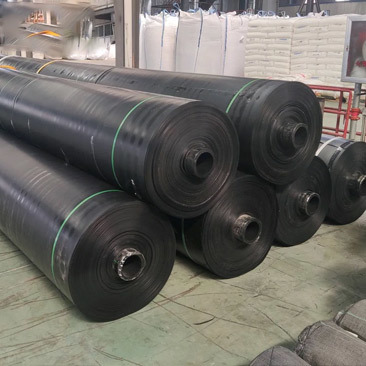
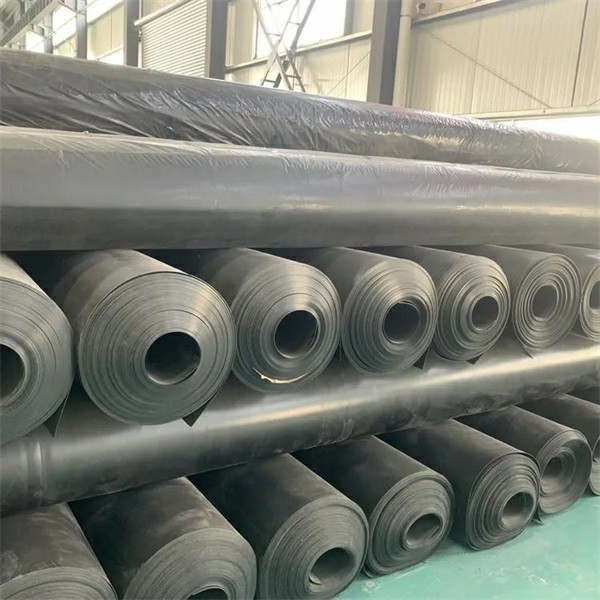
Composite geomembranes are engineered polymers that combine two or more materials to enhance performance. They typically consist of a geomembrane layer, often made from materials like high-density polyethylene (HDPE), sandwiched between geotextiles or other substrates. This unique design allows them to effectively manage water flow, reinforce structures, and prevent soil contamination.
The Importance of Subsurface Drainage Systems
Subsurface drainage systems are essential for controlling groundwater levels, preventing waterlogging, and protecting infrastructure. They improve soil stability, enhance agricultural productivity, and safeguard environmental resources. However, the effectiveness of these systems largely depends on the materials used in their construction, making composite geomembranes a vital component.
How Composite Geomembranes Work in Subsurface Drainage
Composite geomembranes serve multiple functions within subsurface drainage systems. They act as barriers to water and contaminants while allowing for controlled drainage. The geotextile layer facilitates water movement while filtering sediments, thus maintaining the system's efficiency.
Key Features of Composite Geomembranes
1. **Water Resistance**: These materials are designed to withstand prolonged exposure to water, preventing leaks and ensuring durability.
2. **Chemical Resistance**: They resist degradation from chemicals commonly found in soils, including fertilizers and pesticides.
3. **UV Stability**: Composite geomembranes can endure sunlight exposure without significant degradation, making them suitable for various applications.
4. **Flexibility**: Their adaptability allows for installation in diverse environments, including uneven terrains and challenging soil conditions.
Benefits of Using Composite Geomembranes in Subsurface Drainage Systems
1. Enhanced Drainage Efficiency
Composite geomembranes significantly improve drainage efficiency by preventing water accumulation in critical areas. Their design allows for the rapid removal of excess water, preventing soil erosion and structural damage.
2. Cost-Effectiveness
Investing in composite geomembranes can lead to long-term savings. Their durability reduces the need for frequent replacements, while their efficiency minimizes maintenance costs associated with water damage.
3. Environmental Protection
By preventing contaminants from migrating through soil layers, composite geomembranes help protect groundwater quality. This feature is particularly important in agricultural and industrial applications where hazardous substances may pose risks.
4. Versatility in Application
Composite geomembranes can be utilized in various settings, such as landfill liners, agricultural fields, and construction sites. Their versatility makes them ideal for tailored solutions based on specific project needs.
Installation of Composite Geomembranes in Subsurface Drainage Systems
Preparation and Site Assessment
Before installation, it's crucial to conduct a thorough site assessment. This step involves identifying soil types, assessing drainage needs, and determining appropriate geomembrane specifications.
Installation Process
1. **Site Preparation**: Clear the area of debris and vegetation to ensure a smooth installation surface.
2. **Geosynthetic Layer Placement**: Lay down the composite geomembrane, ensuring it covers the designated area without any folds or wrinkles.
3. **Seaming and Joining**: Utilize heat welding or adhesive methods to join geomembrane sections securely.
4. **Backfilling**: Once installed, carefully backfill soil over the geomembrane to provide support while avoiding damage.
Best Practices for Ensuring Longevity
- Regularly inspect the installed geomembrane for signs of wear or damage.
- Maintain proper drainage paths to prevent water pooling on the surface.
- Avoid using heavy machinery directly on geomembrane surfaces to prevent punctures.
Applications of Composite Geomembranes in Various Industries
Agricultural Applications
In agriculture, composite geomembranes play a crucial role in managing irrigation systems and protecting crops from excess moisture. They help maintain optimal soil conditions and enhance crop yields.
Construction and Civil Engineering
In construction, these geomembranes are utilized for tunneling, landfills, and retaining walls. Their ability to prevent water infiltration and soil erosion is invaluable in maintaining structural integrity.
Environmental Protection
Composite geomembranes are widely employed in environmental projects such as landfill capping and containment barriers for hazardous waste. They prevent contaminants from leaching into the soil and groundwater, safeguarding ecosystems.
Comparative Analysis: Composite Geomembranes vs. Traditional Drainage Materials
Performance Comparison
When compared to traditional drainage materials like gravel and sand, composite geomembranes offer superior performance in terms of water retention, filtration, and contamination prevention. The layered structure enhances functionality, making them a preferable choice for many applications.
Cost and Resource Efficiency
While the initial investment in composite geomembranes may be higher, their longevity and reduced maintenance needs lead to lower lifetime costs compared to traditional materials.
Challenges and Considerations in the Use of Composite Geomembranes
Installation Challenges
Proper installation is critical to ensure the effectiveness of composite geomembranes. Any mistakes during the installation process can lead to leaks and reduced performance.
Environmental Considerations
While composite geomembranes offer numerous benefits, it is crucial to consider their environmental impact during production. Choosing manufacturers that prioritize sustainable practices can mitigate these concerns.
Frequently Asked Questions about Composite Geomembranes in Subsurface Drainage Systems
1. What are the primary materials used in composite geomembranes?
Composite geomembranes typically consist of high-density polyethylene (HDPE) or linear low-density polyethylene (LLDPE) combined with geotextiles.
2. How do I determine the right geomembrane for my project?
Consult with a geotechnical engineer to assess your project's specific needs, including soil type, drainage requirements, and environmental conditions.
3. Can composite geomembranes be recycled?
Yes, some types of composite geomembranes can be recycled, contributing to sustainability efforts in construction and environmental practices.
4. How long do composite geomembranes last?
With proper installation and maintenance, composite geomembranes can last several decades, making them a long-term solution for subsurface drainage.
5. Are there any health concerns associated with composite geomembranes?
Generally, composite geomembranes are safe when used according to manufacturer guidelines. However, it is essential to ensure that they comply with environmental regulations and standards.
Conclusion
Composite geomembranes play a pivotal role in enhancing subsurface drainage systems, providing effective solutions for water management, agricultural productivity, and environmental protection. Their unique properties, combined with the versatility of applications, make them a wise investment for construction and landscaping projects. By understanding their benefits and implementing best practices for installation and maintenance, professionals can ensure optimal performance and longevity of these essential materials. Embracing the advancements in composite geomembranes will undoubtedly lead to more sustainable and efficient drainage solutions for the future.
CONTACT US
Address: Shuangyi Road, Lingcheng District, Dezhou City, Shandong Province


GET A DEDICATED QUOTATION