


The Future of Geomembrane in Sustainable Construction
Release time:
2025-12-15
The Future of Geomembrane in Sustainable Construction As the construction industry continues to evolve, the integration of sustainable practices has become paramount. One of the pivotal materials leading this movement is geomembrane. Designed to provide effective barriers, geomembranes play a crucial role in environmental protection, waste management, and sustainable construction. In this article,
The Future of Geomembrane in Sustainable Construction
As the construction industry continues to evolve, the integration of sustainable practices has become paramount. One of the pivotal materials leading this movement is geomembrane. Designed to provide effective barriers, geomembranes play a crucial role in environmental protection, waste management, and sustainable construction. In this article, we delve deep into the future of geomembranes, exploring their applications, benefits, and how they contribute towards a greener planet.
Table of Contents
- 1. Introduction to Geomembranes
- 2. What are Geomembranes?
- 3. Types of Geomembranes Used in Construction
- 4. Benefits of Using Geomembranes in Sustainable Construction
- 5. Applications of Geomembranes in Various Projects
- 6. Future Trends in Geomembrane Technology
- 7. Sourcing Geomembranes for Sustainable Projects
- 8. Frequently Asked Questions
- 9. Conclusion
1. Introduction to Geomembranes
Geomembranes are impermeable membrane liners or barriers made from synthetic materials. They are widely used in various sectors, including civil engineering, waste management, and environmental protection. With growing concerns over environmental sustainability, **geomembranes** have gained recognition for their efficiency in controlling pollution and managing resources.
2. What are Geomembranes?
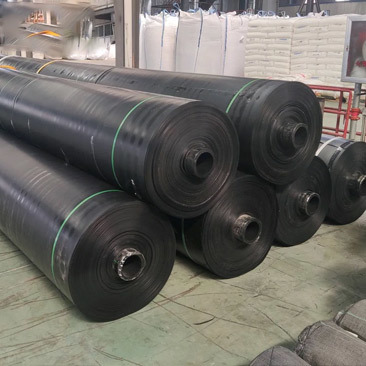
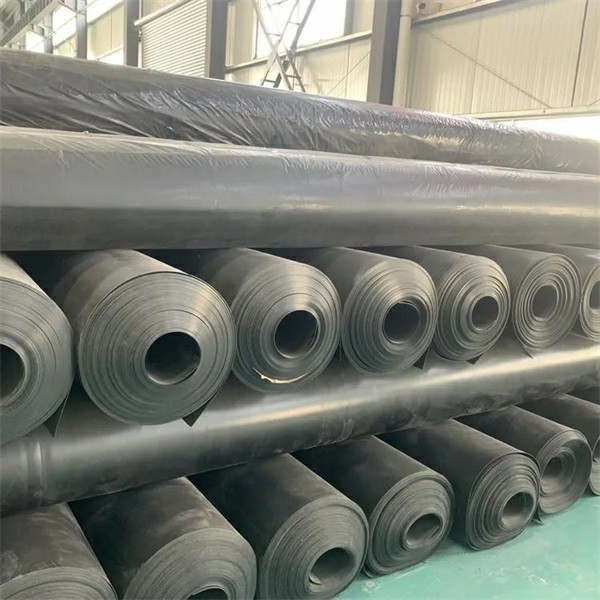
Geomembranes are a type of flexible barrier primarily composed of polymers such as polyethylene, polypropylene, and polyvinyl chloride (PVC). These materials are engineered to create a barrier that prevents the migration of liquids and gases. Their design allows them to adapt to various environmental conditions, making them suitable for a range of applications in construction and waste management.
Key Characteristics of Geomembranes
- Durability: Geomembranes are resistant to weathering, chemicals, and UV radiation, ensuring a long lifespan.
- Flexibility: Their ability to conform to uneven surfaces makes them ideal for various terrains.
- Impermeability: They effectively prevent fluid movement, making them crucial in waste containment and water management.
3. Types of Geomembranes Used in Construction
Understanding the types of geomembranes available is essential for selecting the right material for a specific application. The most common types include:
3.1 High-Density Polyethylene (HDPE)
HDPE geomembranes are known for their high strength and resistance to chemicals and UV radiation. They are widely used in landfill liners and containment applications due to their excellent impermeability.
3.2 Linear Low-Density Polyethylene (LLDPE)
LLDPE geomembranes offer enhanced flexibility compared to HDPE, making them suitable for applications requiring adaptability, such as ponds and lagoons.
3.3 Polyvinyl Chloride (PVC)
PVC geomembranes are lightweight and easy to install. They are often used in roofing and waterproofing applications due to their excellent elongation properties.
3.4 Ethylene Propylene Diene Monomer (EPDM)
EPDM geomembranes are particularly effective in environments where extreme weather conditions are prevalent. They are commonly used in pond liners and roofing systems.
4. Benefits of Using Geomembranes in Sustainable Construction
The adoption of geomembranes in construction offers numerous benefits that align with sustainability goals:
4.1 Environmental Protection
Geomembranes help in preventing soil and groundwater contamination by acting as barriers against pollutants. This is crucial in projects involving landfills and hazardous waste management.
4.2 Resource Conservation
By controlling water runoff and seepage, geomembranes help in conserving water resources. They are essential in stormwater management systems, ensuring rainwater is effectively captured and utilized.
4.3 Cost-Effectiveness
While the initial investment in geomembranes may be higher than traditional materials, their durability and low maintenance costs result in significant long-term savings for construction projects.
5. Applications of Geomembranes in Various Projects
Geomembranes are versatile and can be utilized in various construction applications, including:
5.1 Landfills
Geomembranes are essential in landfill construction, acting as liners that prevent leachate from contaminating the surrounding soil and groundwater.
5.2 Water Reservoirs
In water management systems, geomembranes are used to line reservoirs and ponds, ensuring minimal water loss due to seepage.
5.3 Mining Operations
Mining operations utilize geomembranes for tailings containment and to prevent the escape of harmful substances into the environment.
5.4 Agricultural Applications
Geomembranes are increasingly used in agriculture for irrigation ponds and livestock containment, promoting water conservation and preventing soil degradation.
6. Future Trends in Geomembrane Technology
As technology advances, the future of geomembranes looks promising. Key trends include:
6.1 Innovations in Material Science
Research is underway to develop even more durable and environmentally friendly geomembranes, incorporating biodegradable materials and enhanced recyclability.
6.2 Smart Geomembranes
The integration of smart technologies, such as sensors within geomembranes, can provide real-time monitoring of environmental conditions and integrity, enhancing their functionality and reliability.
6.3 Increased Adoption in Green Building
With the push for sustainable construction, geomembranes are expected to see wider adoption as essential components in green building certifications and practices.
7. Sourcing Geomembranes for Sustainable Projects
When selecting geomembranes for your projects, consider sourcing them from manufacturers committed to sustainable practices. Look for certifications that indicate environmental responsibility, such as ISO or Green Seal, ensuring that the materials used are eco-friendly and sustainably sourced.
8. Frequently Asked Questions
8.1 What are the primary uses of geomembranes in construction?
The primary uses include landfill liners, water reservoir linings, mining operations, and agricultural applications.
8.2 Are geomembranes environmentally friendly?
Yes, geomembranes are designed to prevent environmental contamination and can be sourced from sustainable materials, making them an eco-friendly option.
8.3 How do geomembranes contribute to sustainable construction?
Geomembranes enhance resource conservation, protect the environment, and provide long-term cost savings, aligning with sustainable construction practices.
8.4 What are the key factors to consider when choosing geomembranes?
Key factors include the type of application, environmental conditions, material durability, and environmental certifications.
8.5 Can geomembranes be recycled?
Yes, many geomembranes can be recycled, and ongoing research aims to improve their recyclability and sustainability.
9. Conclusion
The future of geomembranes in sustainable construction is bright, driven by technological advancements and an increasing recognition of their environmental benefits. As the industry shifts towards more sustainable practices, geomembranes will play an integral role in ensuring effective environmental protection and resource management. By embracing these innovative materials, the construction industry can contribute to a more sustainable future, enhancing both the environment and the longevity of our projects.
CONTACT US
Address: Shuangyi Road, Lingcheng District, Dezhou City, Shandong Province


GET A DEDICATED QUOTATION