


Understanding PE Geomembrane: A Key Material in Construction and Earthwork
Release time:
2025-12-14
PE geomembrane, or polyethylene geomembrane, is a versatile and durable synthetic liner used extensively in civil engineering and construction applications. Its primary function is to act as a barrier to prevent the migration of fluids and contaminants, making it an ideal choice for various projects that require environmental protection and containment. One of the most significant advantages of PE
PE geomembrane, or polyethylene geomembrane, is a versatile and durable synthetic liner used extensively in civil engineering and construction applications. Its primary function is to act as a barrier to prevent the migration of fluids and contaminants, making it an ideal choice for various projects that require environmental protection and containment.
One of the most significant advantages of PE geomembrane is its high resistance to punctures and tears. This durability is crucial in construction sites, where materials are often subjected to rough handling and challenging environmental conditions. Additionally, PE geomembranes have excellent chemical resistance, allowing them to withstand exposure to a wide range of substances, including oils, solvents, and acids. This property makes them suitable for applications in landfills, mining sites, and waste containment facilities.
Another noteworthy feature of PE geomembrane is its flexibility. This adaptability enables it to conform to various surface shapes and terrains, ensuring that it can be easily installed in both flat and irregular landscapes. Furthermore, PE geomembrane can be manufactured in various thicknesses, catering to the specific requirements of different projects. Whether for pond liners, landfill caps, or containment systems, there is a suitable thickness available to meet project needs.
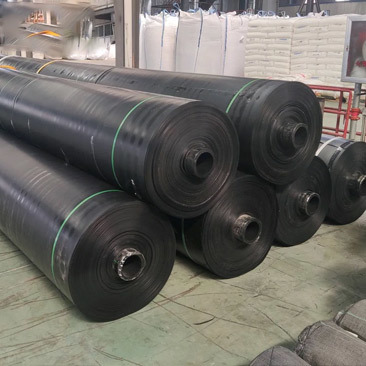
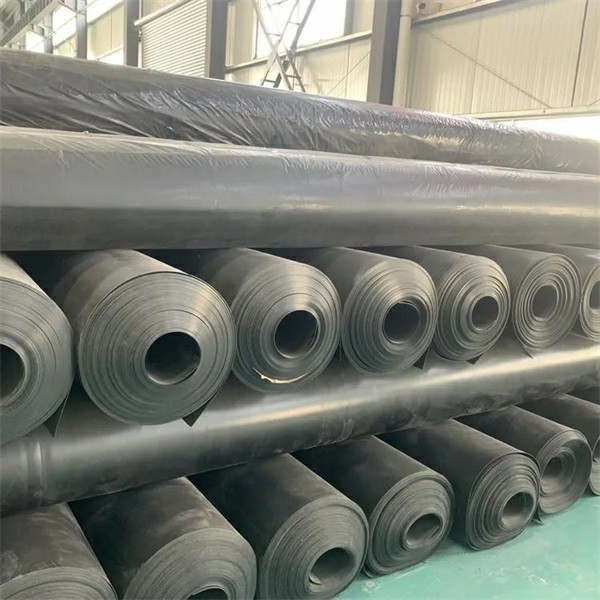
In terms of installation, the process of laying down PE geomembrane is relatively straightforward. It is typically rolled out on the prepared surface and secured in place using anchors or ballast materials. Seams between geomembrane sheets can be welded or sealed using specialized techniques to ensure a watertight barrier. This ease of installation not only saves time but also reduces labor costs, making it a pragmatic choice for construction teams.
Environmental sustainability is becoming a focal point in construction practices, and PE geomembrane aligns well with these goals. Its ability to prevent leachate and other pollutants from contaminating soil and groundwater is essential for maintaining ecological balance. By choosing PE geomembrane for your projects, you contribute to responsible construction practices that protect the environment.
In conclusion, PE geomembrane is a vital material in the construction and earthwork industries due to its durability, flexibility, and resistance to various environmental challenges. Its applications span across several domains, from waste management to agricultural uses. Understanding the properties and benefits of PE geomembrane can aid construction professionals in selecting the right materials for their projects, ultimately leading to safer and more sustainable construction practices.
One of the most significant advantages of PE geomembrane is its high resistance to punctures and tears. This durability is crucial in construction sites, where materials are often subjected to rough handling and challenging environmental conditions. Additionally, PE geomembranes have excellent chemical resistance, allowing them to withstand exposure to a wide range of substances, including oils, solvents, and acids. This property makes them suitable for applications in landfills, mining sites, and waste containment facilities.
Another noteworthy feature of PE geomembrane is its flexibility. This adaptability enables it to conform to various surface shapes and terrains, ensuring that it can be easily installed in both flat and irregular landscapes. Furthermore, PE geomembrane can be manufactured in various thicknesses, catering to the specific requirements of different projects. Whether for pond liners, landfill caps, or containment systems, there is a suitable thickness available to meet project needs.
In terms of installation, the process of laying down PE geomembrane is relatively straightforward. It is typically rolled out on the prepared surface and secured in place using anchors or ballast materials. Seams between geomembrane sheets can be welded or sealed using specialized techniques to ensure a watertight barrier. This ease of installation not only saves time but also reduces labor costs, making it a pragmatic choice for construction teams.
Environmental sustainability is becoming a focal point in construction practices, and PE geomembrane aligns well with these goals. Its ability to prevent leachate and other pollutants from contaminating soil and groundwater is essential for maintaining ecological balance. By choosing PE geomembrane for your projects, you contribute to responsible construction practices that protect the environment.
In conclusion, PE geomembrane is a vital material in the construction and earthwork industries due to its durability, flexibility, and resistance to various environmental challenges. Its applications span across several domains, from waste management to agricultural uses. Understanding the properties and benefits of PE geomembrane can aid construction professionals in selecting the right materials for their projects, ultimately leading to safer and more sustainable construction practices.
CONTACT US
Address: Shuangyi Road, Lingcheng District, Dezhou City, Shandong Province


GET A DEDICATED QUOTATION