


Understanding PE Geomembrane: A Key Component in Construction Materials
Release time:
2025-12-04
Polyethylene (PE) geomembrane is a synthetic liner or barrier made from high-density polyethylene (HDPE) that is widely used in construction and civil engineering projects. Its primary function is to control fluid or gas migration in a variety of applications, making it a vital component in modern construction materials, particularly in site construction. One of the most significant characteristi
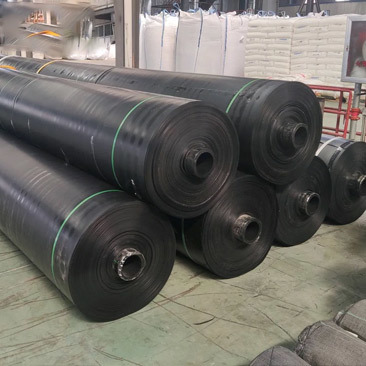
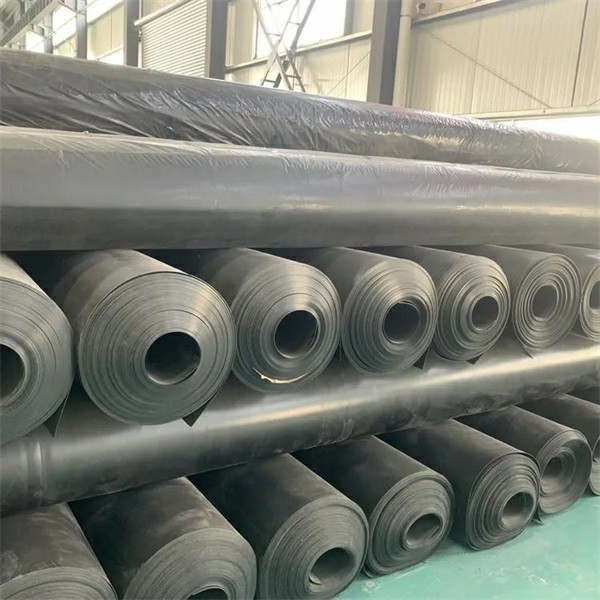
Polyethylene (PE) geomembrane is a synthetic liner or barrier made from high-density polyethylene (HDPE) that is widely used in construction and civil engineering projects. Its primary function is to control fluid or gas migration in a variety of applications, making it a vital component in modern construction materials, particularly in site construction.
One of the most significant characteristics of PE geomembrane is its excellent durability. It is resistant to punctures, tears, and UV radiation, which allows it to maintain its integrity even under harsh environmental conditions. This durability makes it an ideal choice for use in applications such as landfill liners, pond liners, and waterproofing layers in various structures. Additionally, PE geomembrane is highly resistant to various chemicals, which makes it suitable for use in industrial applications where exposure to hazardous substances may occur.
Another crucial benefit of PE geomembrane is its ease of installation. The material is lightweight and flexible, allowing for quick and efficient handling on-site. This not only reduces labor costs but also minimizes the time required for installation, making it a preferred option in projects where time is of the essence. The seams of PE geomembranes can be effectively sealed through thermal welding, ensuring a continuous and secure barrier against any potential leakage.
Moreover, PE geomembranes can be produced in different thicknesses and widths, allowing for customization based on specific project requirements. This adaptability makes them suitable for a wide range of applications, including water containment, waste management, and environmental protection. In addition, their smooth surface aids in the efficient flow of liquids, further enhancing their utility in fluid containment projects.
As sustainability becomes a more pressing concern in the construction industry, PE geomembranes are also gaining recognition for their environmental benefits. When properly designed and installed, they can significantly reduce the risk of groundwater contamination and protect surrounding ecosystems. This is particularly important for projects involving landfills and hazardous waste containment, where minimizing environmental impact is crucial.
In conclusion, PE geomembrane plays a vital role in construction materials, offering durability, ease of installation, adaptability, and environmental protection. Its unique properties make it an essential choice for professionals seeking reliable solutions in site construction and civil engineering projects. Understanding the benefits and applications of PE geomembrane can help construction professionals make informed decisions that will enhance project outcomes and sustainability efforts.
One of the most significant characteristics of PE geomembrane is its excellent durability. It is resistant to punctures, tears, and UV radiation, which allows it to maintain its integrity even under harsh environmental conditions. This durability makes it an ideal choice for use in applications such as landfill liners, pond liners, and waterproofing layers in various structures. Additionally, PE geomembrane is highly resistant to various chemicals, which makes it suitable for use in industrial applications where exposure to hazardous substances may occur.
Another crucial benefit of PE geomembrane is its ease of installation. The material is lightweight and flexible, allowing for quick and efficient handling on-site. This not only reduces labor costs but also minimizes the time required for installation, making it a preferred option in projects where time is of the essence. The seams of PE geomembranes can be effectively sealed through thermal welding, ensuring a continuous and secure barrier against any potential leakage.
Moreover, PE geomembranes can be produced in different thicknesses and widths, allowing for customization based on specific project requirements. This adaptability makes them suitable for a wide range of applications, including water containment, waste management, and environmental protection. In addition, their smooth surface aids in the efficient flow of liquids, further enhancing their utility in fluid containment projects.
As sustainability becomes a more pressing concern in the construction industry, PE geomembranes are also gaining recognition for their environmental benefits. When properly designed and installed, they can significantly reduce the risk of groundwater contamination and protect surrounding ecosystems. This is particularly important for projects involving landfills and hazardous waste containment, where minimizing environmental impact is crucial.
In conclusion, PE geomembrane plays a vital role in construction materials, offering durability, ease of installation, adaptability, and environmental protection. Its unique properties make it an essential choice for professionals seeking reliable solutions in site construction and civil engineering projects. Understanding the benefits and applications of PE geomembrane can help construction professionals make informed decisions that will enhance project outcomes and sustainability efforts.
CONTACT US
Address: Shuangyi Road, Lingcheng District, Dezhou City, Shandong Province


GET A DEDICATED QUOTATION