


Innovative Uses of Geomembrane in Aquatic Environments: Transforming Water Management
Release time:
2025-12-05
Innovative Uses of Geomembrane in Aquatic Environments: Transforming Water Management Table of Contents 1. Introduction to Geomembranes 2. What Are Geomembranes? 3. Importance of Geomembranes in Aquatic Environments 4. Applications of Geomembranes in Aquatic Settings 4.1 Water Containment Systems 4.2 Aquaculture Ponds 4.3 Landfill Cover
Innovative Uses of Geomembrane in Aquatic Environments: Transforming Water Management
Table of Contents
- 1. Introduction to Geomembranes
- 2. What Are Geomembranes?
- 3. Importance of Geomembranes in Aquatic Environments
- 4. Applications of Geomembranes in Aquatic Settings
- 5. Benefits of Using Geomembranes
- 6. Future Trends in Geomembrane Technology
- 7. Challenges and Solutions in Implementation
- 8. Conclusion
- 9. Frequently Asked Questions (FAQs)
1. Introduction to Geomembranes
Geomembranes have emerged as a pivotal component in various environmental applications, particularly in aquatic environments. Their versatility and durability make them essential in managing water resources effectively. This article explores the innovative uses of geomembranes, shedding light on their importance and applications in aquatic settings.
2. What Are Geomembranes?
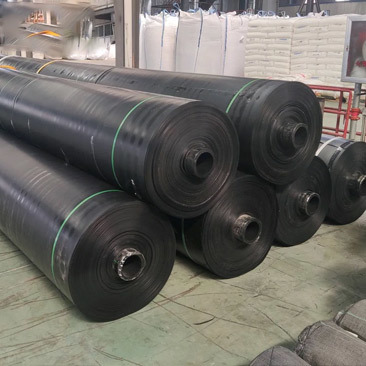
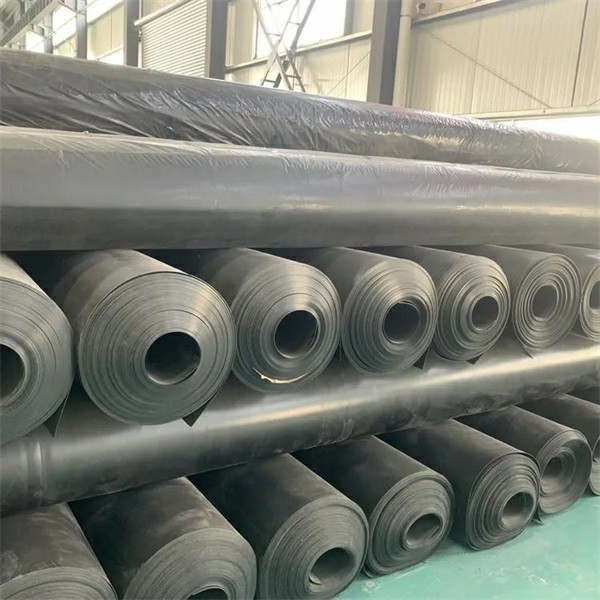
Geomembranes are synthetic membranes designed to control fluid movement in a variety of applications. They are typically made from polymers, including high-density polyethylene (HDPE), low-density polyethylene (LDPE), and polyvinyl chloride (PVC). These materials provide excellent impermeability, making geomembranes highly effective in preventing leakage and contamination.
3. Importance of Geomembranes in Aquatic Environments
The significance of geomembranes in aquatic environments cannot be overstated. They play a crucial role in water retention, pollution prevention, and habitat preservation. By creating barriers, geomembranes help maintain clean water sources and protect aquatic ecosystems from harmful contaminants.
4. Applications of Geomembranes in Aquatic Settings
Several innovative applications of geomembranes have been identified in aquatic settings. Here are some of the most impactful:
4.1 Water Containment Systems
Geomembranes are extensively used in water containment systems, such as reservoirs and ponds. By lining these structures with impermeable geomembranes, operators can prevent water loss due to seepage, ensuring efficient water management.
4.2 Aquaculture Ponds
The aquaculture industry benefits significantly from geomembranes. They are used to line aquaculture ponds, providing a controlled environment for fish and other aquatic organisms. Geomembranes help maintain water quality by preventing contamination from surrounding soil and controlling water exchange.
4.3 Landfill Covers
In landfill operations, geomembranes serve as effective covers that prevent leachate from contaminating groundwater. By utilizing geomembranes in landfill design, operators can mitigate environmental risks and enhance the sustainability of waste management practices.
4.4 Stormwater Management
Effective stormwater management is crucial in urban planning. Geomembranes are employed in retention basins and drainage systems to control runoff and prevent erosion. Their impermeable nature ensures that stormwater is managed sustainably, minimizing the impact on surrounding environments.
5. Benefits of Using Geomembranes
The advantages of geomembranes extend beyond their practical applications. Here are some key benefits:
- **Environmental Protection**: By preventing the leakage of harmful substances, geomembranes safeguard aquatic ecosystems.
- **Cost-Effectiveness**: Their durability reduces the need for frequent replacements, leading to cost savings over time.
- **Versatility**: Geomembranes can be customized for various applications, making them suitable for diverse environments.
- **Longevity**: Constructed from robust materials, geomembranes offer lasting solutions that withstand environmental pressures.
6. Future Trends in Geomembrane Technology
As technology evolves, geomembrane materials and applications are also advancing. Future trends include the development of biodegradable geomembranes, which aim to reduce environmental impact. Moreover, integrating smart technologies into geomembranes for monitoring purposes could revolutionize how we manage aquatic environments.
7. Challenges and Solutions in Implementation
While geomembranes offer significant benefits, challenges remain in their implementation. Issues such as installation costs, material degradation, and maintenance can pose hurdles. However, ongoing research and technological advancements are paving the way for more effective installation techniques and materials that promise greater durability and ease of use.
8. Conclusion
Geomembranes have proven to be invaluable in aquatic environments, offering innovative solutions for water management and environmental protection. Their applications span a wide range of industries, demonstrating their versatility and effectiveness. As we move forward, embracing new technologies and methods will enhance the sustainability of geomembrane use in aquatic environments, paving the way for a healthier planet.
9. Frequently Asked Questions (FAQs)
What is the primary purpose of geomembranes in aquatic environments?
Geomembranes primarily serve to create impermeable barriers that prevent the leakage of fluids, thereby protecting water quality and aquatic ecosystems.
How do geomembranes contribute to aquaculture?
In aquaculture, geomembranes help maintain optimal water conditions by preventing soil contamination and controlling water exchange.
Can geomembranes be recycled?
Some geomembranes can be recycled, though it depends on the material. Research is ongoing to develop more environmentally friendly options.
What challenges are associated with geomembrane installation?
Challenges include high initial costs, potential material degradation, and the need for skilled labor for proper installation.
What future innovations can we expect in geomembrane technology?
Future innovations may include biodegradable materials and smart geomembranes that incorporate monitoring technologies for improved management.
In summary, the innovative uses of geomembrane technology in aquatic environments offer transformative benefits for water management and environmental sustainability. Their applications across various sectors underscore the importance of continued advancement in this field.
CONTACT US
Address: Shuangyi Road, Lingcheng District, Dezhou City, Shandong Province


GET A DEDICATED QUOTATION