


How Geomembrane Liners Enhance Waterproofing Solutions in Construction
Release time:
2025-12-03
How Geomembrane Liners Enhance Waterproofing Solutions in Construction Table of Contents 1. Introduction to Geomembrane Liners 2. What are Geomembrane Liners? 3. Benefits of Using Geomembrane Liners 3.1 Durability and Longevity 3.2 Cost-Effectiveness 3.3 Environmental Impact 4. Applications of Geomembrane
How Geomembrane Liners Enhance Waterproofing Solutions in Construction
Table of Contents
- 1. Introduction to Geomembrane Liners
- 2. What are Geomembrane Liners?
- 3. Benefits of Using Geomembrane Liners
- 4. Applications of Geomembrane Liners in Construction
- 5. Installation Techniques for Geomembrane Liners
- 6. Maintenance and Monitoring
- 7. Future Trends in Waterproofing Solutions
- 8. FAQs
- 9. Conclusion
1. Introduction to Geomembrane Liners
In the realm of construction, ensuring waterproofing is **crucial** to the integrity and longevity of structures. As building techniques evolve, so do the materials and solutions we use to combat water infiltration. One of the most significant advancements in this area is the introduction of **geomembrane liners**. These advanced materials provide an effective barrier against water, ensuring that construction projects remain secure and durable. This article delves deep into the advantages and applications of geomembrane liners in enhancing waterproofing solutions within the construction industry.
2. What are Geomembrane Liners?
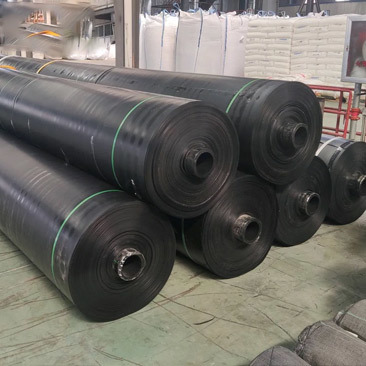
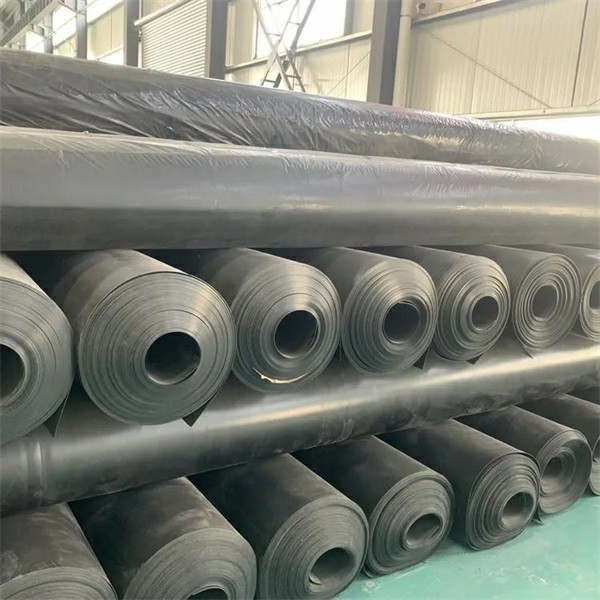
Geomembrane liners are synthetic membranes that are primarily used for **environmental protection** and **water containment**. Made from materials such as polyethylene, PVC, or other polymers, these liners are designed to prevent the migration of liquids and gases. Their primary function is to provide a reliable barrier in various applications, including landfills, ponds, and construction sites, ensuring that water and contaminants do not penetrate the surface.
The design and thickness of geomembranes can vary significantly, allowing them to be customized for specific projects and environmental conditions. The flexibility and durability of geomembrane liners make them an ideal choice for **waterproofing solutions** in construction.
3. Benefits of Using Geomembrane Liners
The utilization of geomembrane liners in construction brings with it several **key benefits** that enhance waterproofing solutions. Below, we explore these advantages in detail.
3.1 Durability and Longevity
One of the standout features of geomembrane liners is their **durability**. These materials can withstand extreme weather conditions, UV radiation, and chemical exposure. This resilience translates into a long lifespan, often exceeding 20 years, making them a cost-effective solution for long-term projects. The ability to resist punctures and abrasion further enhances their effectiveness as a waterproofing barrier.
3.2 Cost-Effectiveness
While the initial investment in geomembrane liners may seem substantial, the long-term savings often outweigh the upfront costs. Their installation reduces the risk of water damage and associated repair costs. Additionally, their durability decreases the need for frequent replacements or repairs, leading to overall financial savings for construction projects.
3.3 Environmental Impact
Geomembrane liners contribute positively to environmental conservation. By preventing contaminants from leaching into the soil and groundwater, these liners help protect natural resources. Their use in waste management and containment projects plays a crucial role in minimizing environmental pollution, aligning construction practices with sustainable development goals.
4. Applications of Geomembrane Liners in Construction
Geomembrane liners are versatile solutions that find applications across various sectors of construction. Below are some of the most common applications.
4.1 Landfills and Waste Management
In landfills, geomembrane liners are essential for isolating waste materials from the surrounding environment. They serve as a critical barrier that prevents leachate from contaminating soil and groundwater, which is vital for maintaining ecological balance. The implementation of geomembranes in waste management practices ensures compliance with environmental regulations and promotes sustainable waste disposal.
4.2 Ponds and Water Bodies
Geomembrane liners are frequently employed in the construction of artificial ponds and water bodies, including agricultural ponds and aquaculture facilities. Their waterproofing capabilities ensure that water bodies retain their water content without leakage. This is especially important for agricultural applications, where water conservation is essential for crop health and yield.
4.3 Basements and Foundations
In residential and commercial construction, geomembrane liners are used to protect basements and foundations from groundwater intrusion. By creating a seal against moisture, these liners help prevent structural damage, mold growth, and other related issues. The effective waterproofing of foundations is crucial for the longevity and safety of any construction project.
5. Installation Techniques for Geomembrane Liners
Proper installation of geomembrane liners is critical to their effectiveness. Here are some best practices for ensuring successful installation.
- **Site Preparation**: Before installation, the site must be prepared by removing sharp objects and debris that could puncture the liner. A smooth, level surface is critical for optimal performance.
- **Liner Placement**: Geomembrane liners should be carefully laid out to avoid wrinkles or folds, which can compromise their effectiveness. Overlapping seams should be utilized to ensure a continuous barrier.
- **Seaming Methods**: The most common seaming methods include thermal welding and adhesive bonding. Thermal welding is often preferred for its strength and durability, ensuring that the seams are as robust as the liners themselves.
- **Testing**: After installation, it is imperative to conduct tests to ensure the integrity of the geomembrane. This can include vacuum testing or water pressure testing, depending on the project requirements.
6. Maintenance and Monitoring
While geomembrane liners are highly durable, regular maintenance and monitoring are essential to maximize their lifespan and effectiveness. Here are some recommended practices:
- **Visual Inspections**: Regular visual inspections can help identify any signs of wear, damage, or degradation. Early detection of issues allows for prompt repairs, preventing more extensive damage.
- **Repair Techniques**: Minor tears or punctures can often be repaired using specialized adhesive patches or additional geomembrane material. For more significant damage, it may be necessary to replace sections of the liner.
- **Environmental Monitoring**: In applications where environmental protection is critical, ongoing monitoring of groundwater and soil quality is vital. This ensures that the geomembrane is performing effectively and that no contaminants are escaping.
7. Future Trends in Waterproofing Solutions
As technology continues to advance, the future of waterproofing solutions is promising. Innovations in materials science are leading to the development of more advanced geomembrane liners that are lighter, stronger, and more environmentally friendly. Biodegradable options are also emerging, offering sustainable alternatives that align with global sustainability initiatives. Additionally, the integration of smart technologies, such as sensors that monitor moisture levels, is likely to enhance the effectiveness of waterproofing solutions in construction.
8. FAQs
**Q1: What is the lifespan of geomembrane liners?**
A1: Geomembrane liners typically have a lifespan of 20 years or more, depending on environmental conditions and installation quality.
**Q2: Are geomembrane liners environmentally friendly?**
A2: Yes, geomembrane liners help protect the environment by preventing soil and groundwater contamination, contributing to sustainable construction practices.
**Q3: Can geomembrane liners be repaired?**
A3: Yes, minor damages such as tears or punctures can often be repaired using specialized adhesives or patches without needing to replace the entire liner.
**Q4: How do geomembrane liners compare to other waterproofing methods?**
A4: Geomembrane liners are often more durable and cost-effective compared to traditional waterproofing methods, providing a robust barrier against water infiltration.
**Q5: What factors should be considered when choosing a geomembrane liner?**
A5: Key factors include the specific application, environmental conditions, and required durability, as well as installation techniques and maintenance needs.
9. Conclusion
In summary, geomembrane liners play a vital role in enhancing waterproofing solutions within the construction industry. Their durability, cost-effectiveness, and environmental benefits make them an ideal choice for various applications, from landfills to foundations. By adopting best practices for installation and maintenance, construction professionals can ensure the long-term efficacy of these solutions. As technology evolves, we can expect even more innovative advancements in geomembrane materials, further solidifying their position as essential components in modern construction practices. Embracing these advanced waterproofing solutions not only protects structures but also contributes to a more sustainable future in the construction industry.
CONTACT US
Address: Shuangyi Road, Lingcheng District, Dezhou City, Shandong Province


GET A DEDICATED QUOTATION