


The Essential Guide to Composite Geomembranes in Construction
Release time:
2025-12-02
Composite geomembranes are essential materials in the construction and civil engineering sectors, particularly in applications involving containment and separation. These innovative materials are commonly used in projects that require impermeable barriers to control water flow, prevent contamination, and provide structural integrity in various environments. A composite geomembrane typically consis
Composite geomembranes are essential materials in the construction and civil engineering sectors, particularly in applications involving containment and separation. These innovative materials are commonly used in projects that require impermeable barriers to control water flow, prevent contamination, and provide structural integrity in various environments.
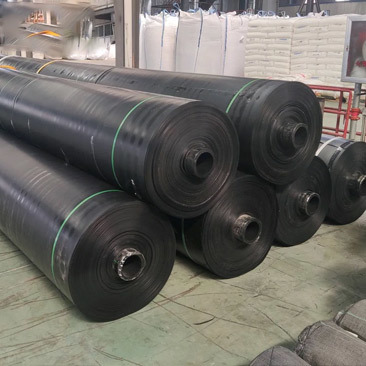
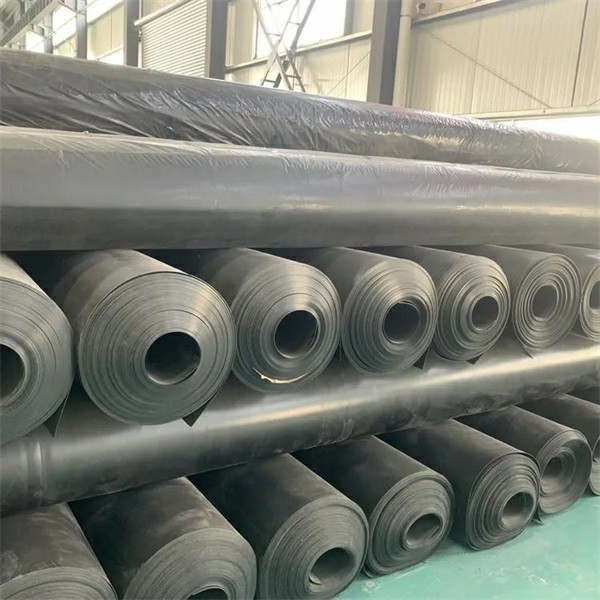
A composite geomembrane typically consists of two layers: a polymeric geomembrane, often made of high-density polyethylene (HDPE) or linear low-density polyethylene (LLDPE), bonded to a non-woven geotextile. This combination enhances the performance of the geomembrane by providing additional benefits, such as increased puncture resistance, improved filtration, and reinforcement of the overall structure.
One of the primary advantages of using composite geomembranes is their excellent hydraulic performance. They are designed to effectively prevent water transmission, making them ideal for applications such as landfill liners, stormwater management systems, and retention ponds. The non-woven geotextile layer not only provides a protective barrier but also allows for drainage, which can be crucial in preventing hydrostatic pressure buildup.
In addition to their hydraulic properties, composite geomembranes offer remarkable durability. They are resistant to various environmental factors, including UV radiation, chemical exposure, and extreme temperatures. This durability ensures that the geomembranes maintain their integrity over time, reducing the need for frequent replacements or repairs, which can be both time-consuming and costly.
Furthermore, composite geomembranes are relatively easy to install, which is a significant advantage in construction projects. Their lightweight nature allows for efficient handling and reduces labor costs associated with installation. Once in place, they can be effectively sealed to prevent leaks, ensuring a secure and reliable solution for various applications.
The versatility of composite geomembranes extends to their use in a variety of environments, from urban settings to agricultural landscapes. They are commonly employed in waste containment systems, water reservoirs, and even as liners for artificial lakes and ponds. Their adaptability makes them a preferred choice for engineers and project managers who seek reliable solutions for complex construction challenges.
In summary, composite geomembranes are invaluable in the construction industry, offering a combination of impermeability, durability, and ease of installation. By understanding the properties and benefits of these materials, construction professionals can make informed decisions that enhance the sustainability and effectiveness of their projects. Whether you are involved in landfill management, water containment, or soil stabilization, composite geomembranes provide a robust solution that meets the demands of modern engineering applications.
A composite geomembrane typically consists of two layers: a polymeric geomembrane, often made of high-density polyethylene (HDPE) or linear low-density polyethylene (LLDPE), bonded to a non-woven geotextile. This combination enhances the performance of the geomembrane by providing additional benefits, such as increased puncture resistance, improved filtration, and reinforcement of the overall structure.
One of the primary advantages of using composite geomembranes is their excellent hydraulic performance. They are designed to effectively prevent water transmission, making them ideal for applications such as landfill liners, stormwater management systems, and retention ponds. The non-woven geotextile layer not only provides a protective barrier but also allows for drainage, which can be crucial in preventing hydrostatic pressure buildup.
In addition to their hydraulic properties, composite geomembranes offer remarkable durability. They are resistant to various environmental factors, including UV radiation, chemical exposure, and extreme temperatures. This durability ensures that the geomembranes maintain their integrity over time, reducing the need for frequent replacements or repairs, which can be both time-consuming and costly.
Furthermore, composite geomembranes are relatively easy to install, which is a significant advantage in construction projects. Their lightweight nature allows for efficient handling and reduces labor costs associated with installation. Once in place, they can be effectively sealed to prevent leaks, ensuring a secure and reliable solution for various applications.
The versatility of composite geomembranes extends to their use in a variety of environments, from urban settings to agricultural landscapes. They are commonly employed in waste containment systems, water reservoirs, and even as liners for artificial lakes and ponds. Their adaptability makes them a preferred choice for engineers and project managers who seek reliable solutions for complex construction challenges.
In summary, composite geomembranes are invaluable in the construction industry, offering a combination of impermeability, durability, and ease of installation. By understanding the properties and benefits of these materials, construction professionals can make informed decisions that enhance the sustainability and effectiveness of their projects. Whether you are involved in landfill management, water containment, or soil stabilization, composite geomembranes provide a robust solution that meets the demands of modern engineering applications.
CONTACT US
Address: Shuangyi Road, Lingcheng District, Dezhou City, Shandong Province


GET A DEDICATED QUOTATION