


Understanding the Different Types of Geomembrane Material Available: An In-Depth Guide
Release time:
2025-12-01
Understanding the Different Types of Geomembrane Material Available Table of Contents Introduction to Geomembranes What is a Geomembrane? Types of Geomembrane Materials Polyethylene Geomembranes Polypropylene Geomembranes Polyvinyl Chloride (PVC) Geomembranes Elastomeric Geomembranes Geocomposite Geomembranes Applications of Geomembranes Benefi
Understanding the Different Types of Geomembrane Material Available
Table of Contents
- Introduction to Geomembranes
- What is a Geomembrane?
- Types of Geomembrane Materials
- Polyethylene Geomembranes
- Polypropylene Geomembranes
- Polyvinyl Chloride (PVC) Geomembranes
- Elastomeric Geomembranes
- Geocomposite Geomembranes
- Applications of Geomembranes
- Benefits of Using Geomembranes
- Considerations for Selecting Geomembrane Materials
- Frequently Asked Questions
- Conclusion
Introduction to Geomembranes
Geomembranes are essential materials in the construction industry, primarily used for their waterproofing and containment properties. In this article, we will explore the different types of geomembrane materials available, their unique characteristics, applications, and the advantages they offer in various projects. Understanding these materials helps construction professionals, engineers, and site managers choose the right geomembrane for specific applications, ensuring durability and efficacy.
What is a Geomembrane?
A geomembrane is a synthetic membrane that is used to control fluid and gas movement in a variety of applications. Made from various polymers, geomembranes are typically used in landfills, ponds, reservoirs, and mining to prevent contamination and manage water flow. They serve as barriers, protecting the environment from hazardous substances while also providing structural integrity for construction projects.
Types of Geomembrane Materials
The selection of geomembrane material is crucial for the success of any project. Here, we detail the primary types of geomembrane materials available.
Polyethylene Geomembranes
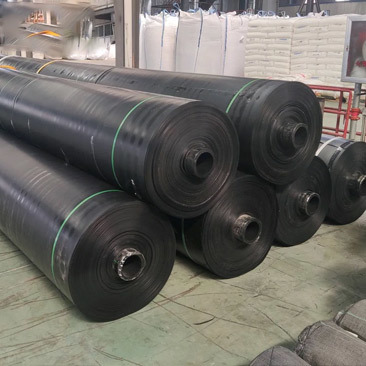
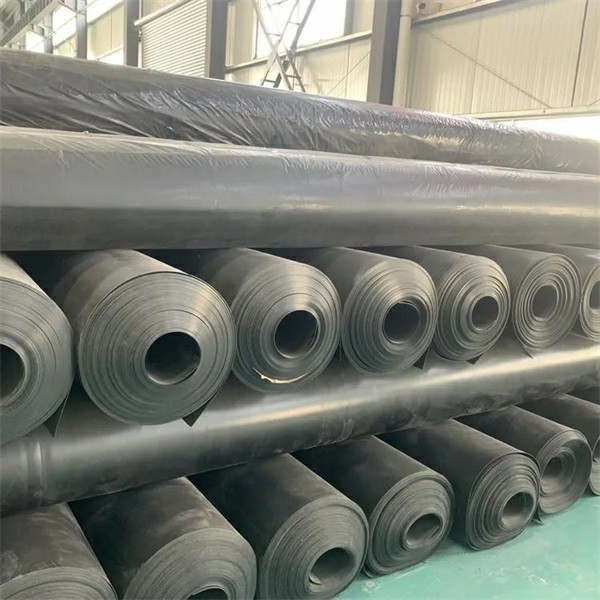
Polyethylene geomembranes are among the most widely used types due to their excellent chemical resistance and durability. There are two main types of polyethylene geomembranes:
- **High-Density Polyethylene (HDPE)**: Known for its robustness, HDPE offers excellent puncture resistance and is ideal for applications such as landfill liners and containment in industrial sites. Its high tensile strength makes it suitable for harsh environmental conditions.
- **Linear Low-Density Polyethylene (LLDPE)**: This type is more flexible than HDPE, making it easier to install in irregular terrains. Its elasticity enhances performance in applications like agricultural ponds and irrigation systems.
Polypropylene Geomembranes
Polypropylene geomembranes are known for their chemical resistance and high-temperature tolerance. They are less common than polyethylene but are favored in specific applications, such as in wastewater treatment facilities. Polypropylene geomembranes provide good UV stability, making them suitable for applications exposed to sunlight.
Polyvinyl Chloride (PVC) Geomembranes
PVC geomembranes are another popular option, particularly in waterproofing applications. They offer good flexibility and weldability, which simplifies installation processes. PVC is often used in recreational water applications, such as swimming pools and artificial lakes. Its resistance to a wide range of chemicals makes it versatile for various industrial uses.
Elastomeric Geomembranes
Elastomeric geomembranes, made from synthetic rubber, are known for their extreme flexibility and ability to stretch under load. They are particularly effective in applications requiring high adaptability, such as in areas that experience ground movement or settlement. These geomembranes are often used in green roof systems and in areas prone to seismic activities.
Geocomposite Geomembranes
Geocomposite geomembranes combine traditional geomembranes with geotextiles or other materials to enhance their performance and functionality. These composites provide a multi-layered approach to containment and drainage solutions, making them ideal for landfill caps and complex environmental projects.
Applications of Geomembranes
Geomembranes find extensive use across various industries due to their versatile properties. Some significant applications include:
- **Landfill Liners**: Preventing leachate from contaminating groundwater.
- **Water Reservoirs**: Ensuring water containment for irrigation or potable water supply.
- **Mining Operations**: Containing hazardous materials and preventing environmental contamination.
- **Agricultural Applications**: Managing water in ponds and irrigation systems.
- **Wastewater Treatment**: Lining lagoons and treatment ponds to protect surrounding areas.
Benefits of Using Geomembranes
The use of geomembranes offers numerous benefits that contribute to their popularity in construction and environmental management:
1. **Durability**: Most geomembranes are resistant to UV rays, chemicals, and extreme temperatures, ensuring long-term performance.
2. **Environmental Protection**: By preventing contamination of soil and groundwater, geomembranes play a critical role in protecting the environment.
3. **Cost-Effectiveness**: The initial investment in geomembranes can significantly reduce long-term maintenance and remediation costs.
4. **Versatile Installation**: Geomembranes can be installed in various terrains and are adaptable to different project requirements.
5. **Weight Reduction**: Compared to traditional materials, geomembranes are lighter, which can reduce transportation and installation costs.
Considerations for Selecting Geomembrane Materials
Choosing the right geomembrane material involves several considerations:
- **Project Requirements**: Understand the specific needs of your project, including environmental conditions and regulatory requirements.
- **Chemical Compatibility**: Evaluate the chemicals that the geomembrane will be exposed to and choose a material that can withstand those conditions.
- **Thickness and Puncture Resistance**: Assess the required thickness based on the application and environmental stressors.
- **Installation Conditions**: Consider the terrain and weather conditions during installation, as they can influence the choice of material.
- **Budget Constraints**: Balance the need for quality with budget limitations to find the most effective solution.
Frequently Asked Questions
1. What is the lifespan of geomembranes?
Geomembranes typically have a lifespan of 20 to 30 years, depending on the material and environmental conditions.
2. Can geomembranes be recycled?
Yes, many geomembranes can be recycled or repurposed, depending on the material used.
3. How are geomembranes installed?
Geomembranes are typically installed through techniques like welding, adhesive bonding, or mechanical fastening, depending on the material.
4. Are geomembranes resistant to punctures?
While geomembranes possess varying levels of puncture resistance, selecting the appropriate thickness and material for your specific application is essential.
5. What are the consequences of not using a geomembrane?
Not using a geomembrane can lead to environmental contamination, costly remediation efforts, and regulatory non-compliance.
Conclusion
In conclusion, understanding the different types of geomembrane materials is essential for any construction or environmental project. By carefully considering the properties, applications, and benefits of each type of geomembrane, professionals can make informed choices that enhance project outcomes and protect the environment. The variety of geomembranes available ensures that there is a suitable option for nearly every application, making them invaluable in modern construction and land management. By investing in the right geomembrane, stakeholders can ensure project longevity and compliance while safeguarding natural resources.
CONTACT US
Address: Shuangyi Road, Lingcheng District, Dezhou City, Shandong Province


GET A DEDICATED QUOTATION