


Understanding Geomembranes: Essential Materials for Modern Construction
Release time:
2025-11-30
Geomembranes are synthetic membranes used primarily for the containment of liquids and gases in various construction projects. Typically made from polymer materials such as polyethylene, polypropylene, or PVC, these membranes are designed to provide a barrier that prevents water and other substances from passing through. Their flexibility, durability, and chemical resistance make them an ideal cho
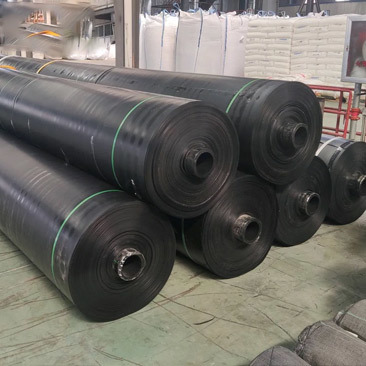
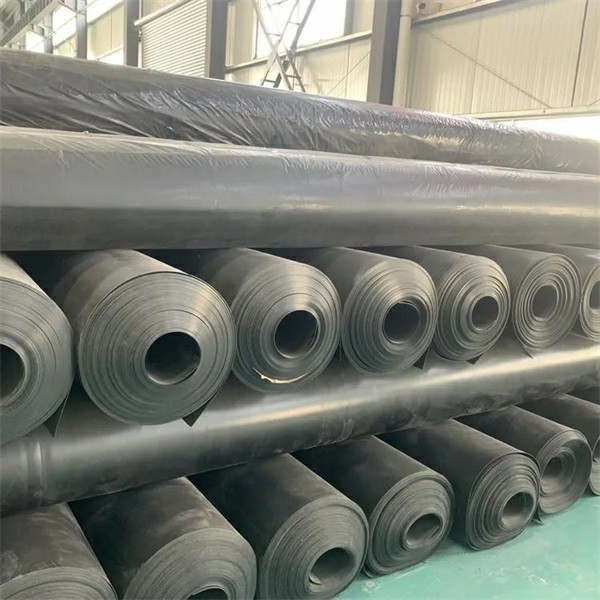
Geomembranes are synthetic membranes used primarily for the containment of liquids and gases in various construction projects. Typically made from polymer materials such as polyethylene, polypropylene, or PVC, these membranes are designed to provide a barrier that prevents water and other substances from passing through. Their flexibility, durability, and chemical resistance make them an ideal choice for a range of applications in construction.
One of the primary applications of geomembranes is in landfills and waste containment facilities. Here, they act as a protective barrier that prevents leachate from contaminating the surrounding soil and groundwater. This is crucial for environmental protection, as it ensures that hazardous materials do not seep into the ecosystem.
In addition to waste containment, geomembranes are also widely used in water management systems. They are often employed in the construction of reservoirs, lagoons, and ponds, where they help to reduce water loss due to evaporation and seepage. By providing a watertight seal, geomembranes ensure that these water bodies maintain their intended capacity and function effectively.
Another significant application of geomembranes is in the field of civil engineering, particularly in slope stabilization and erosion control. When installed on slopes, these membranes help prevent soil erosion caused by water runoff, thereby maintaining the integrity of the landscape. They can also be used in combination with geotextiles to enhance their effectiveness, providing a comprehensive solution for slope management.
Moreover, geomembranes are increasingly being utilized in the construction of green roofs and urban landscaping projects. Their ability to retain water while allowing for proper drainage makes them suitable for creating sustainable landscaping solutions. This not only contributes to the aesthetic value of urban environments but also plays a role in managing stormwater runoff effectively.
When selecting a geomembrane for a project, it is essential to consider various factors, including the specific application, environmental conditions, and material compatibility. Consulting with industry professionals can provide valuable guidance in making the right choice tailored to the needs of the project.
In summary, geomembranes are a vital component in modern construction, offering a range of benefits in waste management, water retention, erosion control, and sustainable landscaping. Understanding their properties and applications can help construction professionals make informed decisions, ultimately leading to more efficient and environmentally responsible projects.
One of the primary applications of geomembranes is in landfills and waste containment facilities. Here, they act as a protective barrier that prevents leachate from contaminating the surrounding soil and groundwater. This is crucial for environmental protection, as it ensures that hazardous materials do not seep into the ecosystem.
In addition to waste containment, geomembranes are also widely used in water management systems. They are often employed in the construction of reservoirs, lagoons, and ponds, where they help to reduce water loss due to evaporation and seepage. By providing a watertight seal, geomembranes ensure that these water bodies maintain their intended capacity and function effectively.
Another significant application of geomembranes is in the field of civil engineering, particularly in slope stabilization and erosion control. When installed on slopes, these membranes help prevent soil erosion caused by water runoff, thereby maintaining the integrity of the landscape. They can also be used in combination with geotextiles to enhance their effectiveness, providing a comprehensive solution for slope management.
Moreover, geomembranes are increasingly being utilized in the construction of green roofs and urban landscaping projects. Their ability to retain water while allowing for proper drainage makes them suitable for creating sustainable landscaping solutions. This not only contributes to the aesthetic value of urban environments but also plays a role in managing stormwater runoff effectively.
When selecting a geomembrane for a project, it is essential to consider various factors, including the specific application, environmental conditions, and material compatibility. Consulting with industry professionals can provide valuable guidance in making the right choice tailored to the needs of the project.
In summary, geomembranes are a vital component in modern construction, offering a range of benefits in waste management, water retention, erosion control, and sustainable landscaping. Understanding their properties and applications can help construction professionals make informed decisions, ultimately leading to more efficient and environmentally responsible projects.
CONTACT US
Address: Shuangyi Road, Lingcheng District, Dezhou City, Shandong Province


GET A DEDICATED QUOTATION