


PE Geomembrane: The Key to Successful Soil and Water Management
Release time:
2025-11-29
PE Geomembrane: The Key to Successful Soil and Water Management In the modern landscape of construction and environmental management, effective soil and water management has never been more critical. As we face increasing environmental challenges, the demand for innovative solutions has led to the rise of materials like Polyethylene (PE) geomembrane. This article delves into the importance, benefi
PE Geomembrane: The Key to Successful Soil and Water Management
In the modern landscape of construction and environmental management, effective soil and water management has never been more critical. As we face increasing environmental challenges, the demand for innovative solutions has led to the rise of materials like Polyethylene (PE) geomembrane. This article delves into the importance, benefits, and applications of PE geomembrane, providing a comprehensive guide for professionals in the industry.
Understanding PE Geomembrane: What Is It?
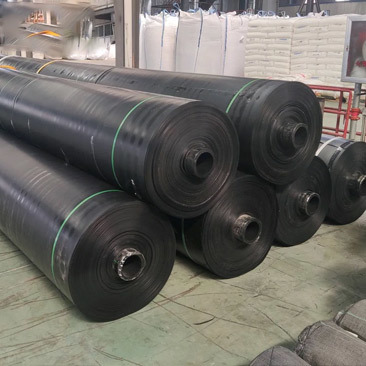
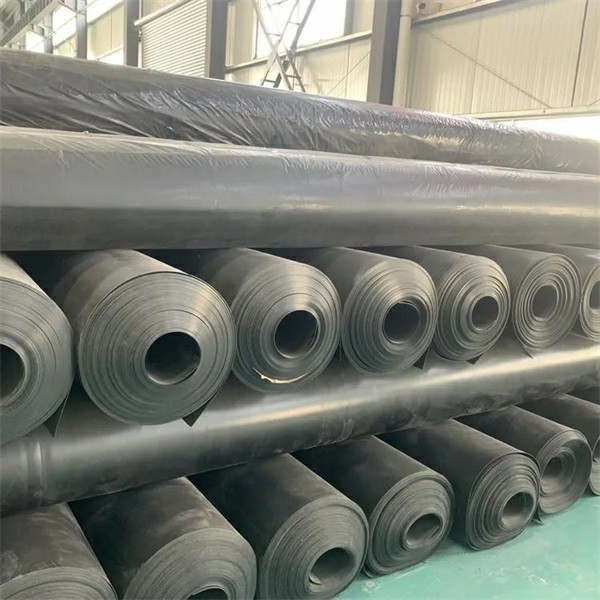
PE geomembrane is a synthetic membrane liner made from high-density polyethylene (HDPE) or low-density polyethylene (LDPE). Its primary purpose is to act as a barrier against water and other liquids, providing an effective solution for various applications in construction, landfill management, and water conservation. The versatility and durability of PE geomembranes make them a preferred choice for professionals in soil and water management.
The Composition and Properties of PE Geomembranes
PE geomembranes come in various thicknesses and properties, tailored to meet specific project requirements. Key characteristics include:
- UV Resistance: PE geomembranes are designed to withstand prolonged exposure to sunlight, making them suitable for outdoor applications.
- Chemical Resistance: They are resistant to various chemicals, ensuring longevity in harsh environments.
- Flexibility: The flexibility of PE geomembranes allows for easy installation and adherence to various surfaces.
- Low Permeability: Their low permeability ensures effective containment of liquids, crucial for environmental protection.
The Benefits of Using PE Geomembrane in Soil and Water Management
Utilizing PE geomembrane offers numerous advantages in construction and environmental management. Here are some key benefits:
1. Environmental Protection
PE geomembranes play a crucial role in protecting the environment by preventing contamination of soil and groundwater. By acting as a barrier, they ensure that hazardous substances do not seep into the ground, promoting sustainability.
2. Cost-Effectiveness
When compared to traditional methods of soil and water management, PE geomembranes can significantly reduce costs. Their durability means fewer replacements and lower maintenance expenses over time.
3. Versatility in Applications
From landfills and reservoirs to agricultural applications, PE geomembranes are adaptable to various settings. Their flexibility allows for tailored solutions to specific project needs.
4. Ease of Installation
The lightweight nature of PE geomembranes simplifies transportation and installation, reducing labor costs and time on-site.
Applications of PE Geomembranes in Construction and Environmental Projects
PE geomembranes are utilized in a wide array of applications, ensuring effective soil and water management across different sectors. Here are some notable applications:
1. Landfill Liners
In landfill projects, PE geomembranes serve as impermeable liners, preventing leachate from contaminating surrounding soil and groundwater. This critical application helps in maintaining environmental standards and compliance with regulations.
2. Water Reservoirs and Ponds
PE geomembranes are extensively used in the construction of water reservoirs and ponds. Their low permeability ensures that water remains contained, optimizing resource management.
3. Agricultural Use
In agriculture, PE geomembranes assist in irrigation and drainage systems. They help maintain soil moisture levels, enhance crop yield, and prevent soil erosion.
4. Mining Operations
Mining companies utilize PE geomembranes for tailings storage facilities and heap leach pads. Their ability to contain toxic materials ensures safe operation and minimizes environmental impact.
5. Aquaculture
PE geomembranes are ideal for aquaculture applications, providing containment for fish farms and preventing water exchange between different bodies, thus maintaining the health of aquatic species.
Best Practices for Installing PE Geomembranes
Successful implementation of PE geomembranes depends heavily on proper installation. Follow these best practices to ensure effectiveness:
1. Site Preparation
Before installation, the site must be prepared adequately. This includes clearing debris, leveling the ground, and addressing any sharp objects that could damage the geomembrane.
2. Proper Handling and Storage
Geomembranes should be stored in a clean, dry environment, away from sunlight and sharp objects. Proper handling during transport and installation is crucial to prevent tears or punctures.
3. Seam Techniques
When seaming geomembranes, use established techniques such as thermal welding or adhesive bonding. Properly executed seams ensure maximum impermeability and durability.
4. Quality Control Tests
Conduct quality control tests post-installation to verify the integrity of the geomembrane. This may include visual inspections, non-destructive testing, and permeability tests to confirm effectiveness.
Common Mistakes to Avoid with PE Geomembranes
To maximize the benefits of PE geomembranes, it’s essential to avoid common pitfalls:
1. Inadequate Site Preparation
Failing to prepare the site properly can lead to premature failure of the geomembrane. Ensure that the ground is free from sharp objects and well-leveled before installation.
2. Neglecting Quality Control
Skipping quality control measures can result in undetected issues that compromise the geomembrane’s effectiveness. Always perform thorough inspections and tests.
3. Improper Handling
Rough handling can damage geomembranes before installation. Train personnel on proper handling techniques to minimize risks.
4. Insufficient Training
Ensure that the installation team is well-trained in geomembrane installation techniques. Insufficient knowledge can lead to mistakes that compromise the project.
Environmental Regulations and Compliance Associated with PE Geomembranes
Adhering to environmental regulations is essential when using PE geomembranes. Different regions have specific guidelines regarding the use of synthetic liners in waste management, water conservation, and construction. Understanding these regulations ensures compliance and reduces the risk of legal issues.
1. Local Environmental Guidelines
Research local regulations relevant to your project to ensure that the use of PE geomembranes aligns with all legal requirements.
2. Documentation and Reporting
Maintain thorough documentation of all materials used, inspection reports, and compliance measures taken. This can protect against potential disputes and showcase adherence to environmental standards.
Future Trends in PE Geomembrane Technology
The field of geomembranes is continually evolving, with advancements aimed at improving performance and sustainability. Here are some trends to watch:
1. Enhanced Recycling Methods
As environmental awareness grows, there is an increasing demand for recyclable geomembranes. Innovations in recycling processes will lead to more sustainable practices in the industry.
2. Smart Geomembranes
Emerging smart geomembranes equipped with sensors that monitor performance and environmental conditions could revolutionize the industry, providing real-time data and improving management practices.
3. Biodegradable Alternatives
Research into biodegradable geomembranes is underway, aiming to create options that minimize environmental impact while maintaining effectiveness.
FAQs about PE Geomembranes
1. What is the lifespan of a PE geomembrane?
The lifespan of a PE geomembrane can vary depending on environmental conditions, but they typically last between 20 to 30 years with proper installation and maintenance.
2. Can PE geomembranes be repaired if damaged?
Yes, minor damages can be repaired using appropriate materials and techniques. However, significant damage may require replacement to ensure effectiveness.
3. Are PE geomembranes environmentally friendly?
While PE geomembranes are synthetic, their use can significantly contribute to environmental protection by preventing soil and water contamination. Advances in recycling and biodegradability are also improving their environmental profile.
4. How do I choose the right thickness for a project?
The thickness of the geomembrane should be based on the specific project requirements, including expected pressures, environmental conditions, and regulatory standards.
5. What are the installation costs associated with PE geomembranes?
Installation costs can vary widely based on project size, complexity, and site conditions. It is advisable to obtain quotes from several contractors for a precise estimate.
Conclusion
PE geomembrane technology is integral to modern soil and water management practices. Its versatility, durability, and effectiveness make it a preferred choice for a variety of applications, from landfills to agricultural uses. By understanding the benefits, proper installation techniques, and compliance with environmental regulations, professionals can ensure the successful implementation of PE geomembranes. As technology advances, the future holds even more promise for innovative solutions in soil and water management, further solidifying the importance of PE geomembranes in sustainable construction practices.
CONTACT US
Address: Shuangyi Road, Lingcheng District, Dezhou City, Shandong Province


GET A DEDICATED QUOTATION