


Understanding Geomembrane Materials: Essential Insights for Construction Professionals
Release time:
2025-11-26
Geomembrane materials are a crucial component in the construction and civil engineering sectors, especially in applications involving containment and environmental protection. These synthetic membranes are primarily composed of polymers, designed to provide a barrier against liquids and gases. The primary function of geomembranes is to prevent the migration of contaminants, making them essential i
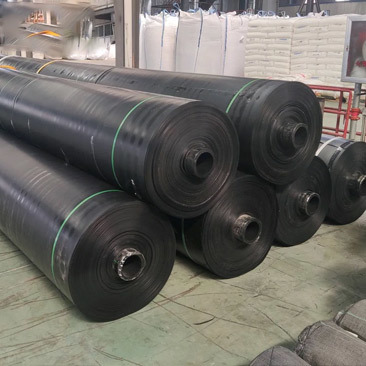
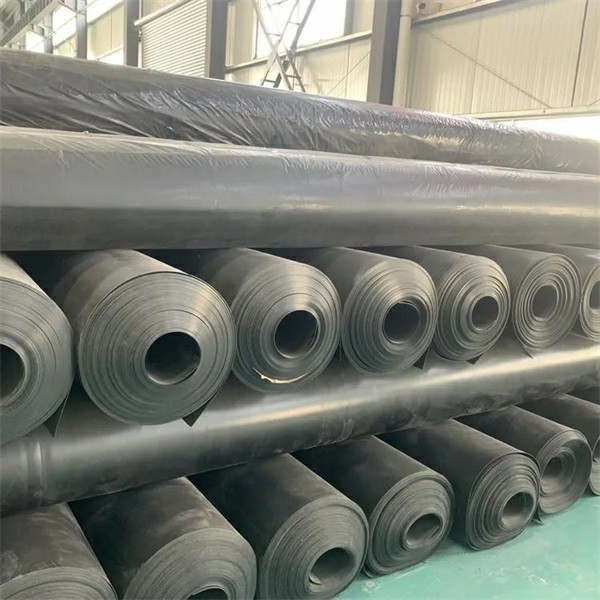
Geomembrane materials are a crucial component in the construction and civil engineering sectors, especially in applications involving containment and environmental protection. These synthetic membranes are primarily composed of polymers, designed to provide a barrier against liquids and gases. The primary function of geomembranes is to prevent the migration of contaminants, making them essential in various applications such as landfill liners, containment ponds, and water reservoir liners.
The effectiveness of geomembrane materials stems from their durability and chemical resistance. Typically made from high-density polyethylene (HDPE), linear low-density polyethylene (LLDPE), or polypropylene, these materials are engineered to withstand harsh environmental conditions, including UV exposure, temperature fluctuations, and chemical interactions. The selection of the appropriate geomembrane material depends on specific project requirements, such as the type of contaminants being managed, the environmental conditions, and the anticipated mechanical stresses.
In construction projects, geomembranes serve multiple purposes. For instance, they are widely used in waste management facilities to contain leachate and prevent groundwater contamination. In the mining industry, geomembranes are employed to create secure tailings storage facilities, ensuring that hazardous materials do not seep into the surrounding environment. Additionally, in the realm of water management, geomembranes are utilized to line canals and reservoirs, which helps in controlling water loss due to seepage.
One of the significant advantages of geomembrane materials is their lightweight nature, which simplifies transportation and installation processes. This quality, combined with their flexibility, enables geomembranes to conform to various shapes and terrains, making them ideal for a wide range of applications. Furthermore, the installation of geomembranes can often be completed more quickly than traditional options, leading to reduced labor costs and shorter project timelines.
Moreover, the sustainability aspect of geomembranes cannot be overlooked. Many manufacturers are now producing geomembranes that incorporate recycled materials, which not only reduces the environmental footprint but also meets the rising demand for eco-friendly construction practices. By using geomembrane materials, construction professionals can contribute to projects that are both efficient and environmentally responsible.
In conclusion, geomembrane materials are an indispensable resource in the construction industry, offering reliable solutions for containment and environmental protection. Understanding their properties and applications can empower construction professionals to make informed decisions that enhance project performance and sustainability. By integrating geomembranes into construction practices, professionals can ensure a safer and more efficient approach to managing environmental challenges.
The effectiveness of geomembrane materials stems from their durability and chemical resistance. Typically made from high-density polyethylene (HDPE), linear low-density polyethylene (LLDPE), or polypropylene, these materials are engineered to withstand harsh environmental conditions, including UV exposure, temperature fluctuations, and chemical interactions. The selection of the appropriate geomembrane material depends on specific project requirements, such as the type of contaminants being managed, the environmental conditions, and the anticipated mechanical stresses.
In construction projects, geomembranes serve multiple purposes. For instance, they are widely used in waste management facilities to contain leachate and prevent groundwater contamination. In the mining industry, geomembranes are employed to create secure tailings storage facilities, ensuring that hazardous materials do not seep into the surrounding environment. Additionally, in the realm of water management, geomembranes are utilized to line canals and reservoirs, which helps in controlling water loss due to seepage.
One of the significant advantages of geomembrane materials is their lightweight nature, which simplifies transportation and installation processes. This quality, combined with their flexibility, enables geomembranes to conform to various shapes and terrains, making them ideal for a wide range of applications. Furthermore, the installation of geomembranes can often be completed more quickly than traditional options, leading to reduced labor costs and shorter project timelines.
Moreover, the sustainability aspect of geomembranes cannot be overlooked. Many manufacturers are now producing geomembranes that incorporate recycled materials, which not only reduces the environmental footprint but also meets the rising demand for eco-friendly construction practices. By using geomembrane materials, construction professionals can contribute to projects that are both efficient and environmentally responsible.
In conclusion, geomembrane materials are an indispensable resource in the construction industry, offering reliable solutions for containment and environmental protection. Understanding their properties and applications can empower construction professionals to make informed decisions that enhance project performance and sustainability. By integrating geomembranes into construction practices, professionals can ensure a safer and more efficient approach to managing environmental challenges.
CONTACT US
Address: Shuangyi Road, Lingcheng District, Dezhou City, Shandong Province


GET A DEDICATED QUOTATION