


Composite Geomembranes: Meeting the Demands of Modern Engineering
Release time:
2025-11-27
Composite Geomembranes: Meeting the Demands of Modern Engineering Table of Contents 1. Introduction to Composite Geomembranes 2. What Are Composite Geomembranes? 3. Benefits of Composite Geomembranes in Construction 4. Applications of Composite Geomembranes 5. The Manufacturing Process of Composite Geomembranes 6. Environmental Impact and Sustainability 7. Installation Technique
Composite Geomembranes: Meeting the Demands of Modern Engineering
Table of Contents
- 1. Introduction to Composite Geomembranes
- 2. What Are Composite Geomembranes?
- 3. Benefits of Composite Geomembranes in Construction
- 4. Applications of Composite Geomembranes
- 5. The Manufacturing Process of Composite Geomembranes
- 6. Environmental Impact and Sustainability
- 7. Installation Techniques for Composite Geomembranes
- 8. Future Trends in Composite Geomembranes Technology
- 9. Frequently Asked Questions
- 10. Conclusion
1. Introduction to Composite Geomembranes
In the realm of modern engineering, **composite geomembranes** have emerged as indispensable materials. This article delves into the intricate details of composite geomembranes, exploring their unique characteristics, applications, and the reasons why they are becoming the preferred choice in numerous engineering projects. By understanding the core features of these materials, we can appreciate their pivotal role in addressing contemporary challenges in construction and environmental management.
2. What Are Composite Geomembranes?
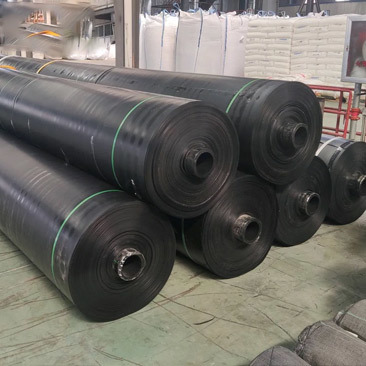
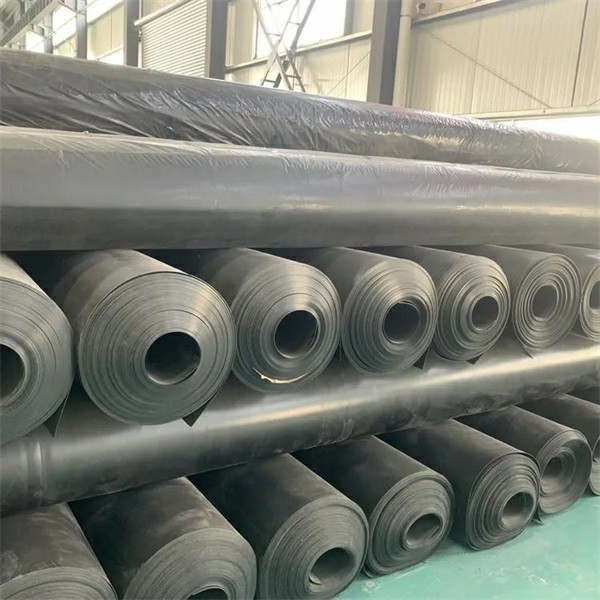
Composite geomembranes are advanced engineering materials that blend various polymers to create a robust barrier against fluid migration. Typically composed of a combination of high-density polyethylene (HDPE) and geotextiles, these geomembranes provide enhanced performance compared to traditional options. The integration of different materials allows for superior strength, flexibility, and durability, making them suitable for a wide range of applications.
2.1 Key Components of Composite Geomembranes
The primary components of composite geomembranes include:
- **High-Density Polyethylene (HDPE):** Known for its high tensile strength and chemical resistance, HDPE forms the core of many composite geomembranes.
- **Geotextiles:** These fabric-like materials complement HDPE by providing additional support, filtration, and separation properties.
- **Adhesives and Sealants:** These materials ensure a secure bond between layers, enhancing the overall integrity and performance of the geomembrane.
3. Benefits of Composite Geomembranes in Construction
The adoption of composite geomembranes in construction brings forth numerous advantages that directly address the demands of modern engineering. Understanding these benefits is crucial for engineers, project managers, and stakeholders in the construction industry.
3.1 Enhanced Durability
Composite geomembranes are designed to withstand extreme environmental conditions, including temperature fluctuations, UV exposure, and chemical attacks. Their durability ensures a long service life, reducing the need for frequent replacements and maintenance.
3.2 Superior Flexibility
These geomembranes exhibit excellent flexibility, allowing for easy installation and adaptability to various site conditions. Their ability to conform to irregular surfaces makes them suitable for diverse applications.
3.3 Cost-Effectiveness
By minimizing the need for maintenance and replacement, composite geomembranes offer a long-term cost-saving solution. Their efficient installation processes further contribute to reduced labor costs.
3.4 Environmental Benefits
Composite geomembranes are often manufactured from recycled materials, promoting sustainability within the construction industry. Their effectiveness in preventing contamination and protecting groundwater resources enhances their environmental appeal.
4. Applications of Composite Geomembranes
The versatility of composite geomembranes allows for a wide array of applications across different sectors. Their unique properties cater to various engineering needs, making them ideal for several projects.
4.1 Landfill Lining
In waste management, composite geomembranes are extensively used to line landfills, serving as barriers to prevent leachate from contaminating soil and groundwater. Their durability and resistance to harsh chemicals make them a reliable choice for landfill applications.
4.2 Water Reservoirs and Canals
Composite geomembranes are employed in the construction of water reservoirs and canals to prevent water loss through seepage. Their impermeable nature ensures that water remains contained, promoting efficient water management.
4.3 Mining Operations
In mining, these geomembranes play a crucial role in tailings management, preventing the leakage of hazardous materials into the environment. They are also used in heap leaching processes to enhance recovery rates while minimizing environmental impact.
4.4 Agricultural Applications
In agriculture, composite geomembranes are utilized for pond liners and irrigation systems, helping to conserve water and improve efficiency in agricultural practices.
5. The Manufacturing Process of Composite Geomembranes
Understanding the manufacturing process of composite geomembranes is essential for appreciating their quality and performance. The production involves several key steps:
5.1 Material Selection
Choosing the right materials is critical for achieving the desired properties. High-quality HDPE and geotextiles are selected based on project requirements.
5.2 Layering and Bonding
The selected materials are layered, and specialized adhesives or sealants are applied to bond them securely. This step is crucial for ensuring the integrity of the geomembrane.
5.3 Quality Control
Rigorous quality control measures are implemented throughout the manufacturing process to ensure that the final product meets industry standards and specifications.
6. Environmental Impact and Sustainability
In today’s eco-conscious world, the environmental impact of materials used in construction is a significant consideration. Composite geomembranes stand out for their sustainable attributes.
6.1 Recyclability
Many composite geomembranes are made from recyclable materials, promoting a circular economy within the construction industry. This reduces waste and lowers the environmental footprint.
6.2 Pollution Prevention
By acting as effective barriers against leachate and other pollutants, composite geomembranes play a vital role in safeguarding natural resources and ecosystems.
6.3 Energy Efficiency
The manufacturing processes for composite geomembranes have become increasingly energy-efficient, further enhancing their sustainability profile.
7. Installation Techniques for Composite Geomembranes
Proper installation is key to maximizing the benefits of composite geomembranes. Various techniques can be employed depending on the specific application and environmental conditions.
7.1 Surface Preparation
Before installation, the surface must be adequately prepared to ensure proper adhesion and performance. This may involve grading, cleaning, and compaction of the substrate.
7.2 Seam Welding
Seams are critical points in geomembrane installation. Techniques such as thermal welding or adhesive bonding are employed to create strong, impermeable joints.
7.3 Quality Assurance during Installation
Continuous monitoring during installation helps to identify potential issues early, ensuring that the geomembrane performs as intended.
8. Future Trends in Composite Geomembranes Technology
As technology continues to evolve, the future of composite geomembranes looks promising. Key trends include:
8.1 Innovations in Material Science
Ongoing research in material science is leading to the development of even more advanced composite geomembranes, featuring enhanced properties and applications.
8.2 Integration of Smart Technologies
The integration of smart sensors into geomembranes is a growing trend. These sensors can monitor conditions such as moisture levels and integrity, providing real-time data for improved management.
8.3 Increased Demand for Sustainable Solutions
As sustainability becomes a priority in construction, the demand for environmentally friendly composite geomembranes is expected to rise, pushing manufacturers to innovate further.
9. Frequently Asked Questions
9.1 What is the lifespan of composite geomembranes?
The lifespan of composite geomembranes can vary based on environmental conditions and usage, but they typically last 20-30 years with proper installation and maintenance.
9.2 Can composite geomembranes be recycled?
Yes, many composite geomembranes are made from recyclable materials, making them an environmentally friendly option in construction.
9.3 How do I choose the right composite geomembrane for my project?
Selecting the appropriate geomembrane involves considering factors such as the specific application, environmental conditions, and required performance characteristics.
9.4 Are composite geomembranes suitable for all soil types?
While composite geomembranes can be used in various soil types, site-specific assessments are essential to determine compatibility and performance.
9.5 What are the common installation mistakes to avoid?
Common mistakes include inadequate surface preparation, improper seam welding, and lack of quality control during installation. It’s crucial to follow best practices to ensure optimal performance.
10. Conclusion
Composite geomembranes represent a significant advancement in engineering materials, addressing the diverse demands of modern construction and environmental management. Their unique properties, wide range of applications, and commitment to sustainability make them an ideal choice for various projects. As we look to the future, innovations in technology and materials promise to enhance their capabilities, further solidifying their importance in the industry. Embracing the benefits of composite geomembranes will not only meet current engineering demands but also pave the way for a more sustainable and efficient future in construction.
CONTACT US
Address: Shuangyi Road, Lingcheng District, Dezhou City, Shandong Province


GET A DEDICATED QUOTATION