


Geomembrane vs. Traditional Materials: Which is Better for Construction Projects?
Release time:
2025-11-25
Geomembrane vs. Traditional Materials: Which is Better for Construction Projects? Table of Contents 1. Introduction to Geomembranes and Traditional Materials 2. Understanding Geomembranes: Properties and Applications 3. Traditional Construction Materials: Overview and Uses 4. Benefits of Using Geomembranes in Construction 5. Drawbacks of Geomembranes: Things to Consider 6.
Geomembrane vs. Traditional Materials: Which is Better for Construction Projects?
Table of Contents
- 1. Introduction to Geomembranes and Traditional Materials
- 2. Understanding Geomembranes: Properties and Applications
- 3. Traditional Construction Materials: Overview and Uses
- 4. Benefits of Using Geomembranes in Construction
- 5. Drawbacks of Geomembranes: Things to Consider
- 6. Advantages of Traditional Construction Materials
- 7. Disadvantages of Traditional Materials in Construction
- 8. Which is Better? Comparing Geomembranes and Traditional Materials
- 9. Frequently Asked Questions (FAQs)
- 10. Conclusion: Making the Right Choice
1. Introduction to Geomembranes and Traditional Materials
In the ever-evolving world of construction, the materials we choose can significantly impact the success and sustainability of a project. Among the many options available, **geomembranes** and **traditional construction materials** like concrete and clay stand out as common choices. This article dives deep into the characteristics, benefits, and potential drawbacks of both to determine which is the superior option for your construction needs.
2. Understanding Geomembranes: Properties and Applications
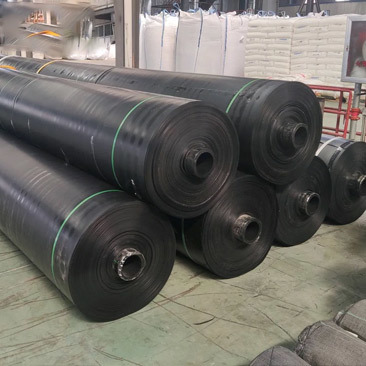
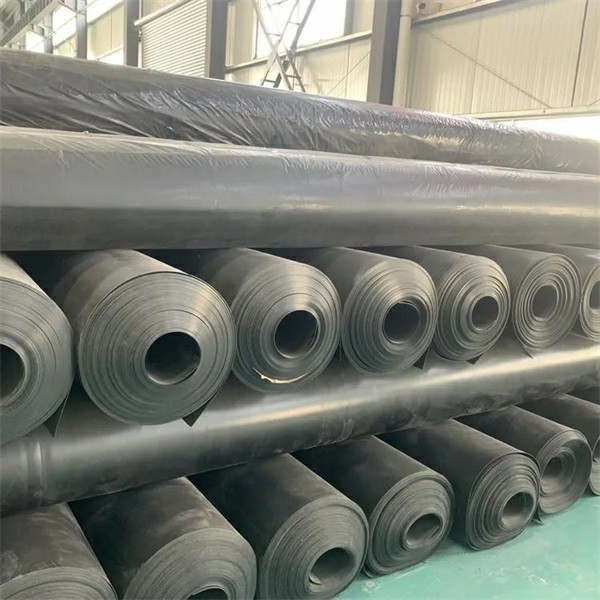
Geomembranes are impermeable membranes used to control fluid movement in various civil engineering applications. They are typically made from synthetic materials like polyethylene, PVC, or rubber.
2.1 Properties of Geomembranes
One of the primary advantages of geomembranes is their excellent **chemical resistance**. They can withstand various environmental conditions, including extreme temperatures and exposure to harsh chemicals. Additionally, geomembranes are lightweight, making them easy to transport and install.
2.2 Applications in Construction
Geomembranes are commonly used in:
- **Landfills**: To prevent leachate from contaminating groundwater.
- **Water Reservoirs**: To minimize evaporation and seepage.
- **Dams and Ponds**: For water retention and erosion control.
- **Underground Structures**: To provide waterproofing and protect against soil moisture.
3. Traditional Construction Materials: Overview and Uses
Traditional construction materials, such as concrete, clay, and asphalt, have been the backbone of construction projects for centuries. Each material has its unique properties and ideal applications.
3.1 Characteristics of Traditional Materials
Traditional materials are often chosen for their **strength** and **durability**. For instance, concrete is renowned for its compressive strength, while clay is valued for its natural insulating properties. These materials have been tested over time, offering reliability in various construction scenarios.
3.2 Common Uses of Traditional Materials
Traditional materials are utilized in:
- **Building Foundations**: Providing structural integrity.
- **Road Construction**: Offering a solid base and durability for vehicular traffic.
- **Roofing**: Clay tiles are preferred for their longevity and aesthetic appeal.
4. Benefits of Using Geomembranes in Construction
Choosing geomembranes for specific applications comes with significant benefits.
4.1 Cost-Effectiveness Over Time
Although the initial cost of geomembranes may be higher than some traditional materials, their longevity and reduced maintenance costs can lead to savings over time.
4.2 Environmental Impact
Geomembranes are often more environmentally friendly. Their impermeability helps protect natural water sources and ecosystems from contamination, fulfilling regulatory requirements for environmental protection.
4.3 Flexibility and Ease of Installation
Geomembranes are lightweight and flexible, making them easier to install than heavier traditional materials. This flexibility allows for quicker project completion and reduced labor costs.
5. Drawbacks of Geomembranes: Things to Consider
While geomembranes offer various benefits, they are not without their drawbacks.
5.1 Vulnerability to UV Radiation
Many geomembranes can become degraded over time when exposed to ultraviolet (UV) radiation. This degradation can lead to a decrease in their effectiveness.
5.2 Installation Challenges
Proper installation is crucial for geomembranes to function correctly. Any lapses during the installation process can lead to leaks and other issues that may require expensive repairs.
6. Advantages of Traditional Construction Materials
Traditional materials bring their own set of advantages that make them appealing for construction projects.
6.1 Established Performance History
Traditional materials like concrete and clay have proven their performance over decades, if not centuries, offering builders confidence in their reliability.
6.2 Structural Integrity
Materials such as concrete provide outstanding structural integrity, essential for load-bearing applications. The compressive strength of concrete makes it an ideal choice for building foundations and high-rise structures.
7. Disadvantages of Traditional Materials in Construction
Despite their strengths, traditional construction materials do have some shortcomings.
7.1 Environmental Concerns
The production of traditional materials like concrete can have a significant environmental impact due to high carbon emissions and resource extraction.
7.2 Maintenance Requirements
Traditional materials often require ongoing maintenance to ensure longevity, particularly in harsh environments. This can lead to increased costs over time.
8. Which is Better? Comparing Geomembranes and Traditional Materials
The choice between geomembranes and traditional materials ultimately depends on the specific requirements of your construction project.
8.1 Project Requirements
For projects that demand waterproofing and fluid containment, geomembranes are often the superior choice. In contrast, traditional materials may be better suited for structural applications where strength is paramount.
8.2 Long-Term Considerations
Evaluate the long-term implications of both options. While geomembranes may require upfront investment, their durability can provide cost savings in maintenance and repairs.
9. Frequently Asked Questions (FAQs)
1. What are the main uses of geomembranes in construction?
Geomembranes are commonly used in landfill liners, water reservoirs, and environmental protection applications.
2. Are traditional materials more environmentally friendly than geomembranes?
Not necessarily; traditional materials can have significant environmental impacts during production, while geomembranes often provide better protection against contamination.
3. How long do geomembranes last compared to traditional materials?
Geomembranes can last for decades if properly installed and maintained, while traditional materials typically require more maintenance.
4. Can geomembranes be recycled?
Some geomembranes can be recycled or repurposed, but this depends on the specific material and local recycling capabilities.
5. What factors should I consider when choosing between geomembranes and traditional materials?
Consider the specific application, environmental conditions, budget, and long-term maintenance requirements when making your decision.
10. Conclusion: Making the Right Choice
In conclusion, both geomembranes and traditional construction materials have their unique advantages and disadvantages. The choice between the two should be guided by the specific needs of your project, taking into account factors such as **cost**, **environmental impact**, and **long-term sustainability**. By understanding the properties and applications of each material, you can make an informed decision that best meets your construction goals. Whether you opt for the innovative approach of geomembranes or the tried-and-true reliability of traditional materials, ensuring the right fit for your project is paramount for its success.
CONTACT US
Address: Shuangyi Road, Lingcheng District, Dezhou City, Shandong Province


GET A DEDICATED QUOTATION