


Understanding PE Geomembrane: A Versatile Solution for Modern Construction
Release time:
2025-11-24
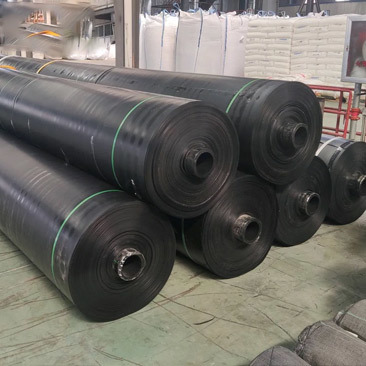
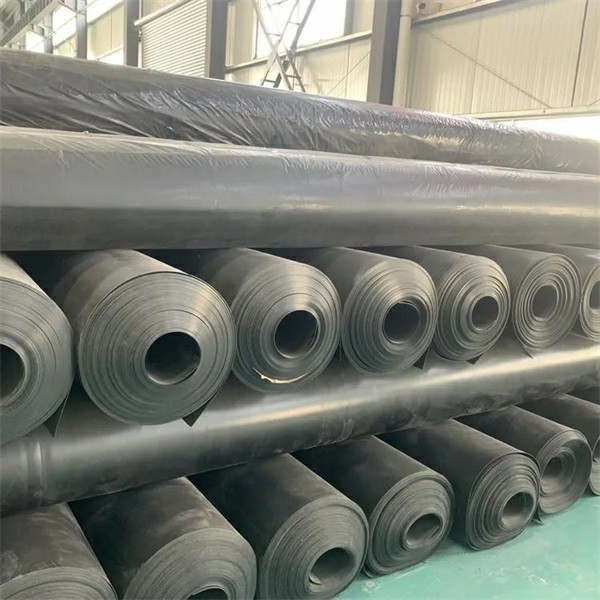
Polyethylene (PE) geomembrane is a crucial material in the construction industry, particularly in applications related to site construction and landscaping. As a type of impermeable membrane, PE geomembrane is primarily made from high-density polyethylene (HDPE) or low-density polyethylene (LDPE) and is designed to control fluid or gas migration in a variety of environments. Its unique properties
Polyethylene (PE) geomembrane is a crucial material in the construction industry, particularly in applications related to site construction and landscaping. As a type of impermeable membrane, PE geomembrane is primarily made from high-density polyethylene (HDPE) or low-density polyethylene (LDPE) and is designed to control fluid or gas migration in a variety of environments. Its unique properties make it an ideal choice for a wide range of applications, including landfill liners, pond liners, and various types of containment systems.
One of the key characteristics of PE geomembrane is its excellent chemical resistance. This makes it particularly suitable for use in environments where the membrane may come into contact with aggressive chemicals, such as in waste containment facilities or agricultural applications. Additionally, its durability and resistance to UV radiation enhance its longevity, making it a cost-effective solution for long-term projects.
In construction, PE geomembranes are often utilized in applications such as waterproofing, drainage, and erosion control. For instance, when installed in retaining walls or under foundations, they prevent water infiltration, thereby protecting structures from water damage and soil erosion. Furthermore, their lightweight nature makes them easy to transport and install, which can significantly reduce labor costs and project timelines.
Another important application of PE geomembrane is in the management of stormwater. By using geomembranes in stormwater management systems, construction professionals can effectively control and direct the flow of water, reducing the risk of flooding and improving water quality. This is particularly crucial in urban areas where impermeable surfaces can lead to increased runoff and environmental concerns.
Additionally, PE geomembrane can be customized in terms of thickness, color, and size to meet specific project requirements. This flexibility allows construction teams to tailor solutions that best fit the unique challenges presented by each site, whether it involves a large-scale landfill or a small garden pond.
Sustainability is also a growing concern in the construction industry, and PE geomembrane contributes positively to this effort. The materials can be recycled and reused in various applications, reducing waste and environmental impact. By choosing PE geomembrane, construction professionals are not only investing in a reliable product but also promoting eco-friendly practices.
In summary, PE geomembrane is a versatile and essential material in the construction and decoration industry, especially in site construction. Its unique properties, wide range of applications, and environmental benefits make it a preferred choice for many professionals. Understanding its capabilities can help stakeholders make informed decisions that contribute to the success of their projects.
One of the key characteristics of PE geomembrane is its excellent chemical resistance. This makes it particularly suitable for use in environments where the membrane may come into contact with aggressive chemicals, such as in waste containment facilities or agricultural applications. Additionally, its durability and resistance to UV radiation enhance its longevity, making it a cost-effective solution for long-term projects.
In construction, PE geomembranes are often utilized in applications such as waterproofing, drainage, and erosion control. For instance, when installed in retaining walls or under foundations, they prevent water infiltration, thereby protecting structures from water damage and soil erosion. Furthermore, their lightweight nature makes them easy to transport and install, which can significantly reduce labor costs and project timelines.
Another important application of PE geomembrane is in the management of stormwater. By using geomembranes in stormwater management systems, construction professionals can effectively control and direct the flow of water, reducing the risk of flooding and improving water quality. This is particularly crucial in urban areas where impermeable surfaces can lead to increased runoff and environmental concerns.
Additionally, PE geomembrane can be customized in terms of thickness, color, and size to meet specific project requirements. This flexibility allows construction teams to tailor solutions that best fit the unique challenges presented by each site, whether it involves a large-scale landfill or a small garden pond.
Sustainability is also a growing concern in the construction industry, and PE geomembrane contributes positively to this effort. The materials can be recycled and reused in various applications, reducing waste and environmental impact. By choosing PE geomembrane, construction professionals are not only investing in a reliable product but also promoting eco-friendly practices.
In summary, PE geomembrane is a versatile and essential material in the construction and decoration industry, especially in site construction. Its unique properties, wide range of applications, and environmental benefits make it a preferred choice for many professionals. Understanding its capabilities can help stakeholders make informed decisions that contribute to the success of their projects.
CONTACT US
Address: Shuangyi Road, Lingcheng District, Dezhou City, Shandong Province


GET A DEDICATED QUOTATION