


Key Advantages of Using Geomembrane Liners in Building Projects
Release time:
2025-11-23
Key Advantages of Using Geomembrane Liners in Building Projects Building projects today are increasingly focused on sustainability, efficiency, and environmental protection. A critical component that has gained remarkable attention in this quest is the use of **geomembrane liners**. These robust materials not only serve as barriers to prevent leakage and contamination but also play a pivotal role
Key Advantages of Using Geomembrane Liners in Building Projects
Building projects today are increasingly focused on sustainability, efficiency, and environmental protection. A critical component that has gained remarkable attention in this quest is the use of **geomembrane liners**. These robust materials not only serve as barriers to prevent leakage and contamination but also play a pivotal role in enhancing the overall integrity of construction projects. In this article, we delve deep into the key advantages of using geomembrane liners in building projects, shedding light on their applications, benefits, and the reasons they should be included in any modern construction plan.
Table of Contents
1. What Are Geomembrane Liners?
2. Importance of Geomembrane Liners in Building Projects
3. Key Advantages of Using Geomembrane Liners
- Environmental Protection
- Cost Efficiency
- Durability and Longevity
- Versatility in Applications
4. Applications of Geomembrane Liners in Construction
5. Installation and Maintenance of Geomembrane Liners
6. Common Myths About Geomembrane Liners
7. Frequently Asked Questions
8. Conclusion
What Are Geomembrane Liners?
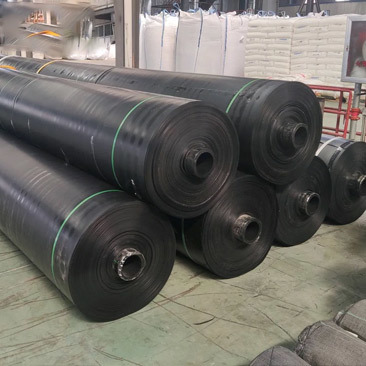
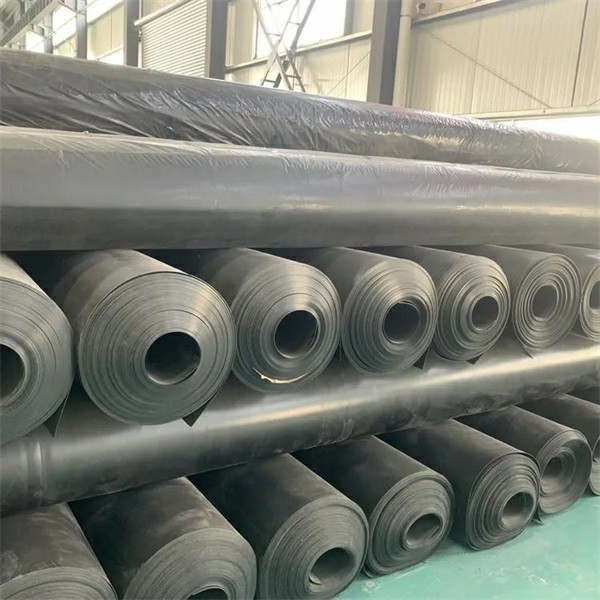
Geomembrane liners are synthetic membranes made from materials like polyethylene, polypropylene, or polyvinyl chloride (PVC). They are designed to serve as barriers to control the migration of fluids in a variety of environmental applications. These liners are used in various projects, including waste containment, water reservoirs, and even in the construction of roads and buildings. Their primary function is to prevent harmful substances from leaking into the surrounding environment, thus protecting soil and groundwater from contamination.
Importance of Geomembrane Liners in Building Projects
In the realm of construction, **geomembrane liners** are essential for numerous reasons. As construction projects become more complex and regulations around environmental protection tighten, the importance of incorporating geomembranes into building projects cannot be overstated. By providing effective barriers, they enhance the sustainability and safety of construction sites, leading to improved project outcomes.
Key Advantages of Using Geomembrane Liners
The advantages of using geomembrane liners in building projects are numerous and significant. Below, we explore some of the most compelling reasons to consider these materials for your next construction endeavor.
Environmental Protection
One of the standout benefits of geomembrane liners is their ability to safeguard the environment. By acting as a barrier against contaminants, these liners ensure that hazardous materials do not leach into the soil or groundwater, which is crucial for protecting ecosystems and human health. Particularly in projects involving **landfills**, **waste containment**, or **industrial facilities**, geomembranes provide a reliable solution to prevent pollution.
Cost Efficiency
Incorporating geomembrane liners can lead to significant cost savings over time. While the initial investment may seem substantial, the long-term benefits far outweigh the costs. By preventing leaks and contamination, geomembranes reduce the need for costly cleanup operations and regulatory fines. Additionally, their durability means reduced maintenance expenses, making them a smart financial investment for any construction project.
Durability and Longevity
Geomembrane liners are engineered to withstand harsh environmental conditions, including extreme temperatures and chemical exposure. Their robust composition ensures that they retain their effectiveness over extended periods, making them a reliable choice for long-term projects. With a lifespan often exceeding 20 years, these liners provide stability and peace of mind to builders and project managers alike.
Versatility in Applications
The versatility of geomembrane liners is another significant advantage. They can be utilized in a variety of applications, including:
- **Landfill liners** to prevent leachate from contaminating the surrounding environment.
- **Water reservoirs** to minimize evaporation and seepage.
- **Retention ponds** for stormwater management.
- **Containment facilities** for hazardous materials.
This adaptability makes them invaluable in diverse construction scenarios, ensuring that they can meet specific project needs.
Applications of Geomembrane Liners in Construction
In the construction industry, geomembrane liners find their place in multiple scenarios. Some prominent applications include:
1. **Waste Management**: In landfills, geomembranes serve as barriers against leachate and gases, ensuring that waste containment adheres to environmental regulations.
2. **Water Conservation**: Reservoirs and irrigation systems utilize geomembranes to prevent water loss through seepage, making them essential for sustainable water management.
3. **Mining Operations**: Geomembranes are used to construct containment areas for hazardous materials, providing a critical safety measure in mining projects.
4. **Agricultural Applications**: Farmers use geomembranes for pond liners, ensuring efficient water usage and protecting water quality.
5. **Civil Engineering Projects**: They are frequently employed in civil construction for pond liners, canal linings, and road construction, maximizing the efficiency of these structures.
Installation and Maintenance of Geomembrane Liners
Proper installation and maintenance of geomembrane liners are critical to their performance. Here are some key considerations:
- **Site Preparation**: Before installation, the site must be properly prepared to create a smooth, clean surface that minimizes the risk of punctures and tears.
- **Installation Techniques**: Various methods can be used for installation, including fusion welding, mechanical fastening, and adhesive bonding. The chosen method should be based on the specific application and material type.
- **Regular Inspections**: After installation, regular inspections are necessary to identify any potential damages or weaknesses in the geomembrane, ensuring ongoing protection.
By adhering to these best practices, project managers can ensure that geomembrane liners function effectively throughout their intended lifespan.
Common Myths About Geomembrane Liners
Despite their numerous benefits, several myths surround geomembrane liners. It’s essential to address these misconceptions to help builders make informed decisions:
1. **Myth: Geomembranes are too expensive**: While they may have a higher upfront cost, the savings from preventing leaks and contamination make them cost-effective in the long run.
2. **Myth: They are not durable**: Geomembranes are designed for longevity and can withstand various environmental conditions when installed correctly.
3. **Myth: Installation is complicated**: With proper training and preparation, installation can be straightforward, and professional services are readily available.
4. **Myth: They are only suitable for specific applications**: Geomembranes are versatile and can be used in a wide range of construction scenarios.
5. **Myth: Maintenance is unnecessary**: Regular inspections and maintenance are crucial to ensure the continued effectiveness of geomembrane liners.
Frequently Asked Questions
**Q1: What materials are geomembrane liners made from?**
A1: Geomembrane liners are typically made from materials such as polyethylene, polypropylene, or PVC, which provide excellent impermeability and durability.
**Q2: How long do geomembrane liners last?**
A2: With proper installation and maintenance, geomembrane liners can last over 20 years, making them a long-term solution for various applications.
**Q3: Can geomembrane liners be repaired if damaged?**
A3: Yes, geomembrane liners can be repaired using various techniques, including patching and welding, provided the damage is identified early.
**Q4: Are geomembrane liners eco-friendly?**
A4: Geomembrane liners promote environmental protection by preventing contamination of soil and groundwater, making them an eco-friendly choice in construction.
**Q5: What factors influence the choice of geomembrane liner?**
A5: The choice of geomembrane liner is influenced by factors such as the intended application, environmental conditions, and budget considerations.
Conclusion
In conclusion, the use of **geomembrane liners** in building projects presents a myriad of advantages that enhance both environmental protection and project efficiency. Their ability to serve as effective barriers, combined with their durability, cost-effectiveness, and versatility, makes them indispensable in modern construction practices. As the demand for sustainable building solutions continues to grow, integrating geomembrane liners into project planning will undoubtedly lead to more responsible and successful construction outcomes. By understanding and leveraging the benefits of geomembrane liners, builders and project managers can ensure a healthier, safer, and more sustainable environment for future generations.
CONTACT US
Address: Shuangyi Road, Lingcheng District, Dezhou City, Shandong Province


GET A DEDICATED QUOTATION