


Understanding Composite Geomembranes: A Key Element in Construction and Environmental Protection
Release time:
2025-11-22
Composite geomembranes have emerged as a pivotal component in the construction and environmental sectors. These materials are primarily used for containment applications, serving to protect the environment from potential pollutants while also providing a reliable barrier in various construction projects. Essentially, a composite geomembrane consists of a flexible membrane combined with other mater
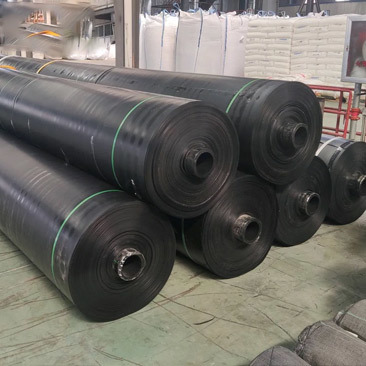
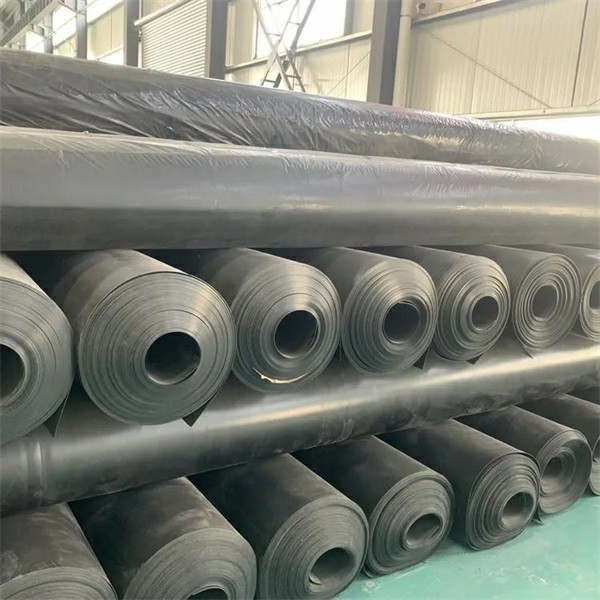
Composite geomembranes have emerged as a pivotal component in the construction and environmental sectors. These materials are primarily used for containment applications, serving to protect the environment from potential pollutants while also providing a reliable barrier in various construction projects. Essentially, a composite geomembrane consists of a flexible membrane combined with other materials, such as geotextiles, to enhance its durability and performance.
One of the primary advantages of composite geomembranes is their exceptional resistance to both chemical and physical damage. This makes them ideal for use in applications where exposure to harsh substances is a concern. For instance, in landfill sites, composite geomembranes can effectively prevent leachate from contaminating the surrounding soil and groundwater. Their robust design allows them to withstand punctures, tears, and extreme weather conditions, ensuring long-term performance.
Moreover, composite geomembranes are known for their versatility in different applications. They are widely used in various industries, including waste management, mining, and civil engineering. In mining operations, for example, they provide essential barriers to control the movement of water and prevent contamination from mining activities. Similarly, in civil engineering, they are employed in the construction of ponds, lagoons, and other water containment structures.
Another significant benefit of composite geomembranes is their ease of installation. Unlike traditional construction materials, which may require extensive labor and time, composite geomembranes can often be installed more quickly and efficiently. This not only reduces project timelines but also minimizes disruption to the surrounding areas, making them an attractive option for contractors.
In addition, the lightweight nature of composite geomembranes simplifies transportation and handling, contributing to overall project efficiency. Their compatibility with various types of backfill and soil types further enhances their usability across a range of projects.
As environmental regulations become increasingly stringent, the demand for effective containment solutions continues to grow. Composite geomembranes play a crucial role in meeting these requirements by providing a reliable means of protecting our natural resources. With their proven performance and adaptability, these materials are likely to remain a staple in construction and environmental protection efforts for years to come.
In summary, composite geomembranes offer a unique combination of durability, versatility, and ease of installation, making them an essential material in the construction and environmental sectors. Their ability to serve as a barrier against contaminants while facilitating efficient construction processes underscores their importance in modern building practices.
One of the primary advantages of composite geomembranes is their exceptional resistance to both chemical and physical damage. This makes them ideal for use in applications where exposure to harsh substances is a concern. For instance, in landfill sites, composite geomembranes can effectively prevent leachate from contaminating the surrounding soil and groundwater. Their robust design allows them to withstand punctures, tears, and extreme weather conditions, ensuring long-term performance.
Moreover, composite geomembranes are known for their versatility in different applications. They are widely used in various industries, including waste management, mining, and civil engineering. In mining operations, for example, they provide essential barriers to control the movement of water and prevent contamination from mining activities. Similarly, in civil engineering, they are employed in the construction of ponds, lagoons, and other water containment structures.
Another significant benefit of composite geomembranes is their ease of installation. Unlike traditional construction materials, which may require extensive labor and time, composite geomembranes can often be installed more quickly and efficiently. This not only reduces project timelines but also minimizes disruption to the surrounding areas, making them an attractive option for contractors.
In addition, the lightweight nature of composite geomembranes simplifies transportation and handling, contributing to overall project efficiency. Their compatibility with various types of backfill and soil types further enhances their usability across a range of projects.
As environmental regulations become increasingly stringent, the demand for effective containment solutions continues to grow. Composite geomembranes play a crucial role in meeting these requirements by providing a reliable means of protecting our natural resources. With their proven performance and adaptability, these materials are likely to remain a staple in construction and environmental protection efforts for years to come.
In summary, composite geomembranes offer a unique combination of durability, versatility, and ease of installation, making them an essential material in the construction and environmental sectors. Their ability to serve as a barrier against contaminants while facilitating efficient construction processes underscores their importance in modern building practices.
CONTACT US
Address: Shuangyi Road, Lingcheng District, Dezhou City, Shandong Province


GET A DEDICATED QUOTATION