


Understanding the Types of Geomembrane Liners Available for Contractors: A Comprehensive Guide
Release time:
2025-11-13
Understanding the Types of Geomembrane Liners Available for Contractors Table of Contents 1. Introduction to Geomembrane Liners 2. The Importance of Geomembrane Liners in Construction 3. Types of Geomembrane Liners 3.1 High-Density Polyethylene (HDPE) Liners 3.2 Linear Low-Density Polyethylene (LLDPE) Liners 3.3 Polyvinyl Chloride (PVC) Liners 3.4 Ethylene Propylene Diene Monomer (
Understanding the Types of Geomembrane Liners Available for Contractors
Table of Contents
1. Introduction to Geomembrane Liners
2. The Importance of Geomembrane Liners in Construction
3. Types of Geomembrane Liners
3.1 High-Density Polyethylene (HDPE) Liners
3.2 Linear Low-Density Polyethylene (LLDPE) Liners
3.3 Polyvinyl Chloride (PVC) Liners
3.4 Ethylene Propylene Diene Monomer (EPDM) Liners
3.5 Reinforced Polypropylene (RPP) Liners
4. Key Considerations When Choosing Geomembrane Liners
4.1 Environmental Factors
4.2 Project Specifications
4.3 Budget Constraints
5. Applications of Geomembrane Liners
5.1 Landfills and Waste Management
5.2 Water Reservoirs and Ponds
5.3 Mining and Industrial Applications
6. Installation and Maintenance of Geomembrane Liners
6.1 Installation Best Practices
6.2 Long-Term Maintenance and Monitoring
7. Frequently Asked Questions (FAQs)
8. Conclusion
1. Introduction to Geomembrane Liners
Geomembrane liners are critical components in various construction and environmental applications. **These liners** serve as barriers that prevent the migration of fluids or gases within soil and rock formations, thereby ensuring the integrity of structures such as landfills, ponds, and reservoirs. For **contractors**, understanding the different types of geomembrane liners and their respective features is essential for selecting the right materials for specific projects.
2. The Importance of Geomembrane Liners in Construction
The use of **geomembrane liners** plays a pivotal role in modern construction techniques. They provide environmental protection, enhance project longevity, and ensure compliance with regulations regarding waste management and water containment. By minimizing the risk of contamination, these liners contribute significantly to sustainable construction practices.
3. Types of Geomembrane Liners
In the landscape of geomembrane technology, several types of liners stand out, each with unique characteristics and applications.
3.1 High-Density Polyethylene (HDPE) Liners
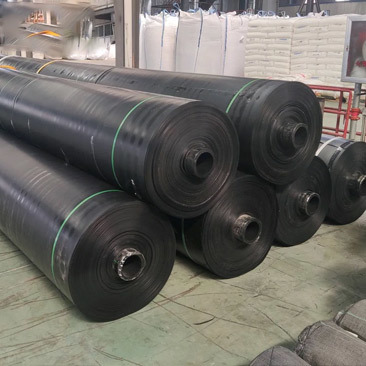
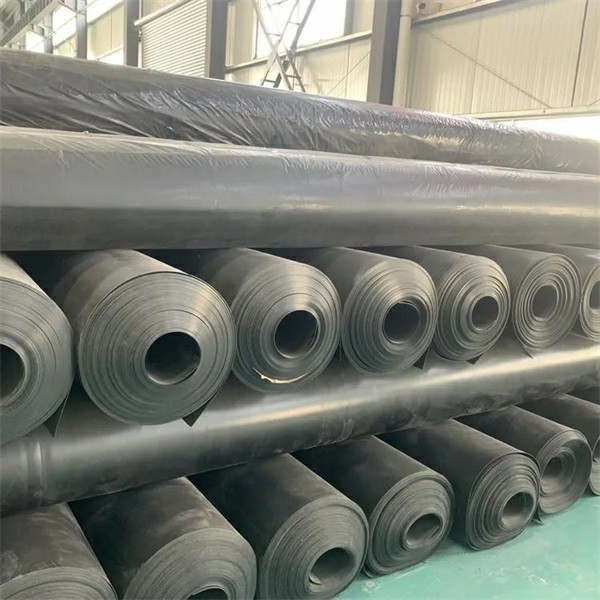
**HDPE liners** are among the most commonly used geomembranes. They exhibit excellent chemical resistance and durability, making them ideal for applications such as landfills and containment facilities. **Contractors** appreciate HDPE for its high tensile strength and resistance to UV radiation, which prolongs its lifespan.
3.2 Linear Low-Density Polyethylene (LLDPE) Liners
LLDPE liners are known for their flexibility and elongation properties. These **geomembranes** are particularly effective in environments where soil movement is expected. LLDPE offers good resistance to punctures and environmental stress cracking, making it suitable for applications in mining and agricultural ponds.
3.3 Polyvinyl Chloride (PVC) Liners
**PVC liners** are lightweight and easy to handle, making them a popular choice for contractors involved in water management systems. They are available in various thicknesses and provide effective resistance to weathering and chemicals. **PVC liners** are particularly advantageous in applications requiring ease of installation and repair.
3.4 Ethylene Propylene Diene Monomer (EPDM) Liners
EPDM liners are synthetic rubber membranes renowned for their elasticity and resistance to extreme temperatures. These liners are often used for roofing applications, as well as in industrial settings where exposure to harsh chemicals is common. Contractors value EPDM for its longevity and minimal maintenance needs.
3.5 Reinforced Polypropylene (RPP) Liners
RPP liners offer a robust solution for demanding construction environments. Reinforced with a fabric layer, these geomembranes provide enhanced strength and durability. They are well-suited for applications such as landfill covers and hazardous waste containment.
4. Key Considerations When Choosing Geomembrane Liners
Selecting the right geomembrane liner is crucial for project success. Several factors must be taken into account.
4.1 Environmental Factors
**Contractors** must assess the environmental conditions of the project site, including soil type, moisture levels, and temperature variations. Understanding these factors helps in selecting a geomembrane that can withstand specific environmental stresses.
4.2 Project Specifications
Different projects have unique specifications regarding thickness, material composition, and installation methods. Thoroughly reviewing project requirements ensures that the chosen geomembrane liner meets all necessary criteria for functionality and compliance.
4.3 Budget Constraints
Cost considerations are paramount in any construction project. While high-quality geomembrane liners may come with a higher upfront investment, their durability and long-term performance can lead to cost savings over time. **Contractors** should balance initial costs with potential future expenses.
5. Applications of Geomembrane Liners
Geomembrane liners find use in a variety of applications across different industries.
5.1 Landfills and Waste Management
One of the primary applications of geomembrane liners is in landfills. These liners prevent leachate from contaminating surrounding soil and groundwater. Proper installation and maintenance of **geomembranes** are vital to achieving compliance with environmental regulations.
5.2 Water Reservoirs and Ponds
**Geomembrane liners** are essential in the construction of water reservoirs and ponds to prevent water loss due to seepage. They ensure that water remains contained, providing a reliable water source for agricultural and recreational purposes.
5.3 Mining and Industrial Applications
In the mining industry, geomembrane liners are critical for managing tailings and leachate. They provide a barrier against harmful chemicals, protecting the environment and reducing liability risks for contractors.
6. Installation and Maintenance of Geomembrane Liners
The effectiveness of geomembrane liners largely depends on **proper installation** and ongoing maintenance.
6.1 Installation Best Practices
Proper installation techniques are essential for maximizing the performance of geomembrane liners. This includes site preparation, correct alignment, and securing the liners to prevent movement. Contractors should follow manufacturer guidelines to ensure a successful installation.
6.2 Long-Term Maintenance and Monitoring
Regular inspections and maintenance are necessary to prolong the lifespan of geomembrane liners. **Contractors** should establish a monitoring plan to identify and address any issues such as punctures, UV degradation, or chemical exposure.
7. Frequently Asked Questions (FAQs)
What are the primary functions of geomembrane liners?
Geomembrane liners primarily function as barriers to prevent fluid migration, protect the environment, and enhance the structural integrity of construction projects.
How long do geomembrane liners typically last?
The lifespan of geomembrane liners varies based on material type and environmental conditions, but they can last anywhere from 20 to 50 years with proper installation and maintenance.
Are geomembrane liners environmentally friendly?
Many geomembrane liners are designed to minimize environmental impact. Their use in waste containment and water management contributes to sustainable practices.
Can geomembrane liners be repaired if damaged?
Yes, most geomembrane liners can be repaired using suitable adhesives or patches, depending on the material and extent of the damage.
What factors influence the choice of geomembrane liner?
Factors influencing the choice of geomembrane liner include environmental conditions, project specifications, budget constraints, and intended application.
8. Conclusion
In summary, understanding the various types of geomembrane liners available for contractors is essential for selecting the right material for any construction project. By considering environmental factors, project specifications, and installation best practices, contractors can ensure successful outcomes while minimizing environmental impacts. Emphasizing quality and longevity in geomembrane selection will not only enhance project performance but also contribute to sustainable practices in the construction industry.
CONTACT US
Address: Shuangyi Road, Lingcheng District, Dezhou City, Shandong Province


GET A DEDICATED QUOTATION