


Understanding PE Geomembranes: Essential Insights for Construction Professionals
Release time:
2025-11-14
Polyethylene (PE) geomembranes are synthetic membranes widely used in construction and civil engineering projects, particularly for their exceptional waterproofing properties. Composed primarily of high-density polyethylene, these geomembranes are engineered to provide a reliable barrier against liquids, thereby preventing contamination of soil and groundwater. Their robustness and versatility mak
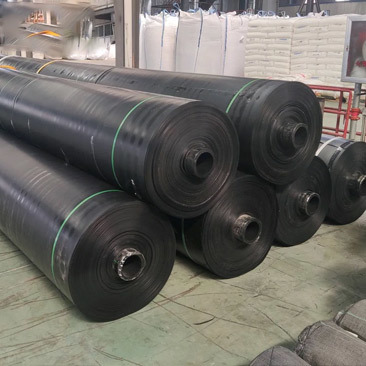
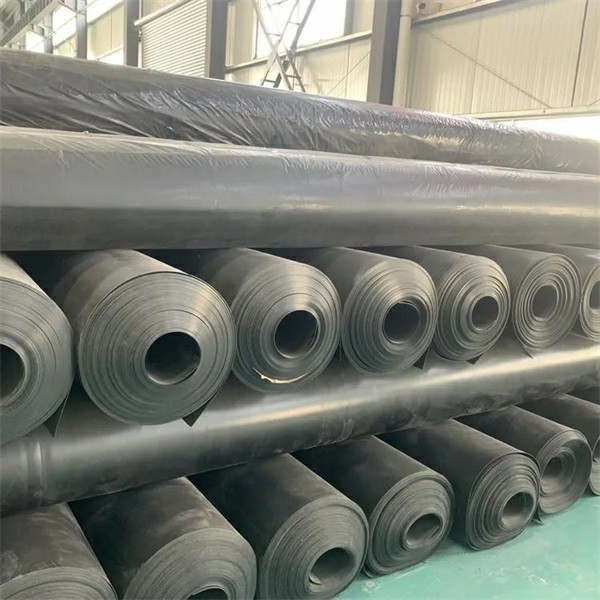
Polyethylene (PE) geomembranes are synthetic membranes widely used in construction and civil engineering projects, particularly for their exceptional waterproofing properties. Composed primarily of high-density polyethylene, these geomembranes are engineered to provide a reliable barrier against liquids, thereby preventing contamination of soil and groundwater. Their robustness and versatility make PE geomembranes an essential component in various applications, including landfill liners, pond liners, and containment systems for hazardous materials.
One of the standout features of PE geomembranes is their excellent resistance to chemicals and UV radiation, which enhances their durability in outdoor environments. This makes them particularly suitable for projects that require long-term performance without frequent maintenance. The flexibility of PE geomembranes allows them to adapt to different surface contours, facilitating easy installation and ensuring a proper fit for various construction scenarios.
In addition to waterproofing, PE geomembranes play a critical role in erosion control and soil stabilization. By acting as a barrier, they help to manage the movement of water and reduce the risk of soil displacement during heavy rains or flooding. This capability is vital for maintaining the integrity of construction sites and ensuring the safety of surrounding environments.
The manufacturing process of PE geomembranes involves advanced technology that ensures uniform thickness and quality. By utilizing extrusion and calendaring techniques, manufacturers can produce geomembranes of varying thicknesses and properties to meet specific project requirements. It is essential for construction professionals to select the appropriate type of geomembrane based on factors such as environmental conditions, expected loads, and specific project needs.
Moreover, the installation of PE geomembranes requires careful planning and execution. Professionals must ensure that the substrate is adequately prepared and free of sharp objects that could puncture the membrane. Proper seam welding techniques are also crucial in maintaining the integrity of the barrier, as leaks can compromise the efficacy of the geomembrane.
In conclusion, PE geomembranes are indispensable materials in the realm of construction and civil engineering, offering significant advantages in waterproofing, erosion control, and soil stabilization. By understanding their properties and applications, construction professionals can make informed decisions that enhance project outcomes while ensuring environmental protection. As the industry continues to evolve, staying informed about the latest developments in geomembrane technology will be key to achieving success in future construction endeavors.
One of the standout features of PE geomembranes is their excellent resistance to chemicals and UV radiation, which enhances their durability in outdoor environments. This makes them particularly suitable for projects that require long-term performance without frequent maintenance. The flexibility of PE geomembranes allows them to adapt to different surface contours, facilitating easy installation and ensuring a proper fit for various construction scenarios.
In addition to waterproofing, PE geomembranes play a critical role in erosion control and soil stabilization. By acting as a barrier, they help to manage the movement of water and reduce the risk of soil displacement during heavy rains or flooding. This capability is vital for maintaining the integrity of construction sites and ensuring the safety of surrounding environments.
The manufacturing process of PE geomembranes involves advanced technology that ensures uniform thickness and quality. By utilizing extrusion and calendaring techniques, manufacturers can produce geomembranes of varying thicknesses and properties to meet specific project requirements. It is essential for construction professionals to select the appropriate type of geomembrane based on factors such as environmental conditions, expected loads, and specific project needs.
Moreover, the installation of PE geomembranes requires careful planning and execution. Professionals must ensure that the substrate is adequately prepared and free of sharp objects that could puncture the membrane. Proper seam welding techniques are also crucial in maintaining the integrity of the barrier, as leaks can compromise the efficacy of the geomembrane.
In conclusion, PE geomembranes are indispensable materials in the realm of construction and civil engineering, offering significant advantages in waterproofing, erosion control, and soil stabilization. By understanding their properties and applications, construction professionals can make informed decisions that enhance project outcomes while ensuring environmental protection. As the industry continues to evolve, staying informed about the latest developments in geomembrane technology will be key to achieving success in future construction endeavors.
CONTACT US
Address: Shuangyi Road, Lingcheng District, Dezhou City, Shandong Province


GET A DEDICATED QUOTATION