


Understanding Composite Geomembrane: Key Insights for Construction Professionals
Release time:
2025-11-12
Composite geomembranes are an innovative solution in the realm of construction and earthworks, particularly recognized for their efficiency in waterproofing and containment. These materials typically consist of a layer of high-density polyethylene (HDPE) or other synthetic materials, combined with a geotextile or another layer to create a multi-functional barrier. The integration of these layers e
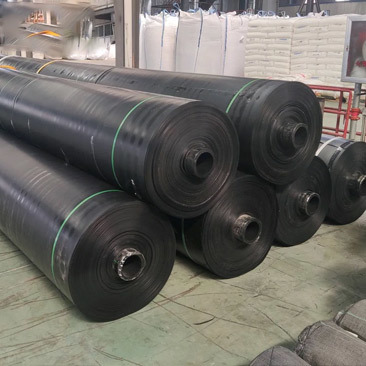
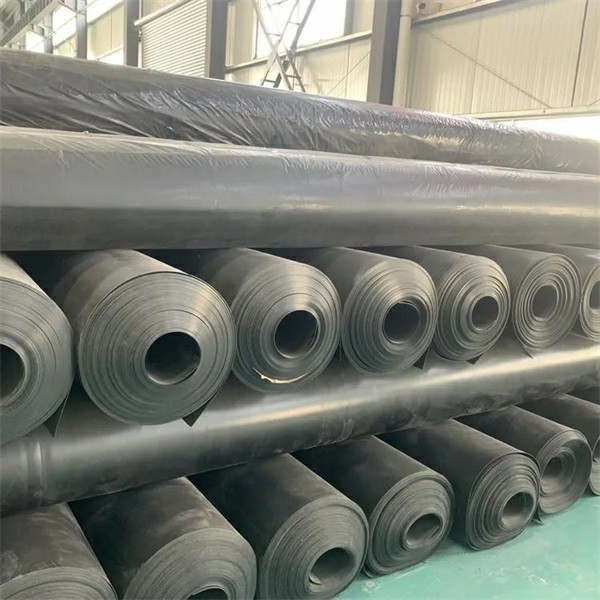
Composite geomembranes are an innovative solution in the realm of construction and earthworks, particularly recognized for their efficiency in waterproofing and containment. These materials typically consist of a layer of high-density polyethylene (HDPE) or other synthetic materials, combined with a geotextile or another layer to create a multi-functional barrier. The integration of these layers enhances the geomembrane's durability, flexibility, and resistance to punctures and environmental stressors. This multifaceted structure makes composite geomembranes an excellent choice for a variety of applications across different projects.
One of the most prominent uses of composite geomembranes is in landfill management, where they serve to prevent leachate from contaminating the surrounding soil and groundwater. Their impermeability ensures that hazardous substances remain contained, thereby protecting the ecosystem. In addition, these geomembranes are employed in the construction of artificial lakes, reservoirs, and retention ponds, where they assist in managing water resources effectively. Their ability to withstand extreme temperatures and UV radiation further solidifies their role in long-term installations.
Moreover, composite geomembranes are also utilized in the agricultural sector, particularly in fish farming and irrigation systems. By providing a secure barrier, they help in maintaining water quality and preventing soil erosion. Their lightweight and flexible design allows for easier installation and adaptation to varying landscape contours, which is crucial for implementing effective agricultural practices.
From a technical perspective, composite geomembranes are engineered to meet specific performance criteria, including tensile strength, elongation, and puncture resistance. This engineering ensures that they can endure the mechanical stresses associated with construction projects. Furthermore, the compatibility of composite geomembranes with various soil types and conditions makes them versatile for different geological environments.
When considering the installation of composite geomembranes, it is vital to ensure proper surface preparation and installation techniques to maximize their effectiveness. This includes careful consideration of the underlying substrate, proper overlap of seams, and the use of appropriate adhesives or mechanical fasteners. As a construction professional, understanding these nuances can significantly influence the overall performance and longevity of the geomembrane system.
In summary, composite geomembranes offer a robust solution for a wide range of construction challenges. Their combination of strength, flexibility, and environmental protection capabilities makes them indispensable in today's construction projects. By leveraging their unique properties, construction professionals can enhance project outcomes, ensure compliance with environmental standards, and contribute to sustainable building practices.
One of the most prominent uses of composite geomembranes is in landfill management, where they serve to prevent leachate from contaminating the surrounding soil and groundwater. Their impermeability ensures that hazardous substances remain contained, thereby protecting the ecosystem. In addition, these geomembranes are employed in the construction of artificial lakes, reservoirs, and retention ponds, where they assist in managing water resources effectively. Their ability to withstand extreme temperatures and UV radiation further solidifies their role in long-term installations.
Moreover, composite geomembranes are also utilized in the agricultural sector, particularly in fish farming and irrigation systems. By providing a secure barrier, they help in maintaining water quality and preventing soil erosion. Their lightweight and flexible design allows for easier installation and adaptation to varying landscape contours, which is crucial for implementing effective agricultural practices.
From a technical perspective, composite geomembranes are engineered to meet specific performance criteria, including tensile strength, elongation, and puncture resistance. This engineering ensures that they can endure the mechanical stresses associated with construction projects. Furthermore, the compatibility of composite geomembranes with various soil types and conditions makes them versatile for different geological environments.
When considering the installation of composite geomembranes, it is vital to ensure proper surface preparation and installation techniques to maximize their effectiveness. This includes careful consideration of the underlying substrate, proper overlap of seams, and the use of appropriate adhesives or mechanical fasteners. As a construction professional, understanding these nuances can significantly influence the overall performance and longevity of the geomembrane system.
In summary, composite geomembranes offer a robust solution for a wide range of construction challenges. Their combination of strength, flexibility, and environmental protection capabilities makes them indispensable in today's construction projects. By leveraging their unique properties, construction professionals can enhance project outcomes, ensure compliance with environmental standards, and contribute to sustainable building practices.
CONTACT US
Address: Shuangyi Road, Lingcheng District, Dezhou City, Shandong Province


GET A DEDICATED QUOTATION