


Maximizing Efficiency with Geomembrane Material in Site Work
Release time:
2025-11-11
Maximizing Efficiency with Geomembrane Material in Site Work Table of Contents 1. Introduction to Geomembrane Materials 2. Understanding Geomembranes: Types and Properties 3. Applications of Geomembrane Materials in Construction 4. Benefits of Using Geomembrane Materials in Site Work 5. Installation Techniques for Geomembranes 6. Case Studies: Successful Projects Utilizing
Maximizing Efficiency with Geomembrane Material in Site Work
Table of Contents
- 1. Introduction to Geomembrane Materials
- 2. Understanding Geomembranes: Types and Properties
- 3. Applications of Geomembrane Materials in Construction
- 4. Benefits of Using Geomembrane Materials in Site Work
- 5. Installation Techniques for Geomembranes
- 6. Case Studies: Successful Projects Utilizing Geomembranes
- 7. Challenges and Solutions in Geomembrane Application
- 8. Future Trends in Geomembrane Technology
- 9. FAQs about Geomembrane Materials
- 10. Conclusion
1. Introduction to Geomembrane Materials
Geomembrane materials are specially engineered synthetic membranes used primarily for environmental protection, containment, and separation in construction and civil engineering. As the construction industry evolves, the demand for efficient materials that enhance sustainability and reduce costs has grown tremendously. This article provides an in-depth analysis of how geomembrane materials maximize efficiency in site work, offering insights into their applications, advantages, and installation procedures.
2. Understanding Geomembranes: Types and Properties
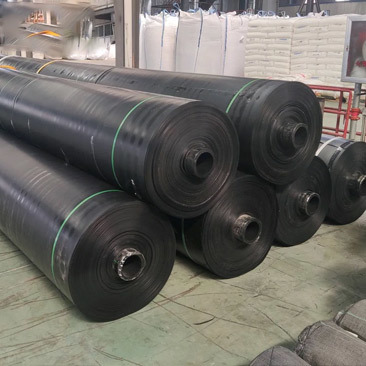
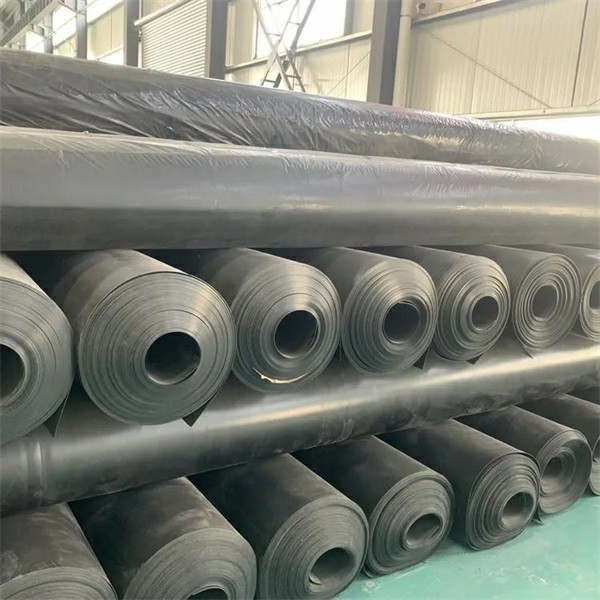
Geomembranes are flexible membranes made from various materials, including high-density polyethylene (HDPE), low-density polyethylene (LDPE), and reinforced polypropylene. Their primary purpose is to prevent fluid migration in soil and water systems.
Types of Geomembranes
- High-Density Polyethylene (HDPE): Known for its strength and chemical resistance, HDPE is widely used in landfill liners and containment applications.
- Low-Density Polyethylene (LDPE): More flexible than HDPE, LDPE is ideal for applications requiring easy installation and bending.
- Polyvinyl Chloride (PVC): PVC geomembranes are versatile and cost-effective, commonly used in ponds and canals.
- Reinforced Geomembranes: These are enhanced with additional materials to increase strength and durability, making them suitable for heavy-duty applications.
Key Properties of Geomembranes
The properties of geomembranes significantly influence their performance in site work. Key properties include:
- Impermeability: Geomembranes effectively prevent water and contaminants from passing through.
- Durability: Resistant to environmental factors such as UV radiation, chemical exposure, and temperature fluctuations.
- Flexibility: Allows for easy installation in various terrains and environments.
- Cost-Effectiveness: Reduces the need for extensive drainage systems and decreases long-term maintenance costs.
3. Applications of Geomembrane Materials in Construction
Geomembranes play a crucial role in various construction applications. Their versatility makes them suitable for numerous projects, including:
3.1 Landfill Liners
One of the most common applications of geomembranes is in landfill construction. Geomembranes serve as liners that prevent leachate from contaminating groundwater, ensuring environmental protection.
3.2 Pond Liners
In water conservation projects, geomembranes are used to line ponds and reservoirs, preventing water loss due to seepage.
3.3 Containment Dikes and Berms
Geomembranes create effective barriers in containment dikes and berms, protecting against chemical spills and hazardous waste.
3.4 Tunnel Liners
In tunneling projects, geomembranes provide waterproofing and structural support, ensuring the integrity of the tunnel over time.
3.5 Agricultural Uses
Geomembranes are increasingly utilized in agricultural practices for irrigation systems, ponds, and soil stabilization.
4. Benefits of Using Geomembrane Materials in Site Work
The integration of geomembrane materials in site work offers numerous benefits that contribute to overall project efficiency.
4.1 Enhanced Environmental Protection
Using geomembranes minimizes the risk of environmental contamination, particularly in projects involving hazardous materials. Their impermeable nature ensures that harmful substances do not infiltrate the soil or groundwater.
4.2 Cost Savings
While the initial investment in geomembranes may be higher than traditional methods, their long-term benefits far outweigh the costs. Reduced need for maintenance, lower labor costs, and the prevention of fines associated with environmental violations lead to significant savings.
4.3 Improved Project Timelines
Geomembranes are often quicker to install than traditional earthworks, reducing overall project timelines. Their prefabricated nature allows for rapid deployment, enabling projects to stay on schedule.
4.4 Increased Structural Integrity
The strength and flexibility of geomembranes contribute to the stability of structures built on or around them. This durability minimizes the risk of failures or collapses over time.
4.5 Versatility in Applications
The diverse range of geomembrane materials allows for tailored solutions in various construction scenarios. Whether for landfills or agricultural applications, geomembranes can meet specific project requirements effectively.
5. Installation Techniques for Geomembranes
Proper installation of geomembranes is critical to their effectiveness. Here are some essential techniques and best practices for ensuring successful installation:
5.1 Site Preparation
Before installation, thorough site preparation is vital. This includes clearing debris, leveling the ground, and ensuring a smooth surface for the geomembrane to rest on.
5.2 Seam Welding
Seam welding is a crucial step in geomembrane installation. High-quality welding ensures that seams are watertight and resistant to environmental stressors. Various methods, such as hot air or extrusion welding, can be employed based on the material used.
5.3 Testing for Integrity
After installation, conducting integrity tests such as vacuum tests, leak detection, or water tests can verify the effectiveness of the geomembrane barrier.
5.4 Protective Covers
In some applications, placing protective covers over the geomembrane can enhance durability and prevent damage from environmental factors or construction activities.
6. Case Studies: Successful Projects Utilizing Geomembranes
Examining real-world applications of geomembranes underscores their benefits and effectiveness.
6.1 The XYZ Landfill Project
In this project, the implementation of HDPE geomembranes significantly reduced leachate migration, achieving compliance with environmental regulations while lowering operational costs.
6.2 Agricultural Irrigation System
The use of geomembranes in constructing a large-scale irrigation pond allowed for minimal water loss, enhancing agricultural productivity while conserving water resources.
6.3 Urban Development Waste Containment
In an urban development project, geomembrane liners effectively contained construction waste, preventing soil contamination and ensuring compliance with local environmental standards.
7. Challenges and Solutions in Geomembrane Application
While geomembranes offer numerous advantages, challenges can arise during their application.
7.1 Environmental Conditions
Extreme weather conditions can compromise geomembranes. Utilizing reinforced materials and proper installation techniques can mitigate these risks.
7.2 Material Degradation
Over time, geomembranes can degrade due to UV exposure. Applying protective coatings can extend their lifespan.
7.3 Installation Errors
Poor installation can lead to failures. Investing in professional installation and thorough training for workers can minimize these risks.
8. Future Trends in Geomembrane Technology
As technology advances, geomembranes are poised for innovation. Emerging trends include:
8.1 Smart Geomembranes
Integrating sensors into geomembranes can provide real-time monitoring of their conditions, enhancing maintenance and functionality.
8.2 Biodegradable Options
Research into biodegradable geomembranes promises to offer sustainable alternatives that reduce environmental impact.
8.3 Enhanced UV Resistance
Developing new materials with improved resistance to UV degradation will extend the lifespan of geomembranes in exposed applications.
9. FAQs about Geomembrane Materials
9.1 What are the primary uses of geomembranes?
Geomembranes are primarily used in landfill liners, pond liners, containment barriers, and tunnel liners.
9.2 How long do geomembranes last?
With proper installation and maintenance, geomembranes can last anywhere from 20 to 50 years.
9.3 Are geomembranes environmentally friendly?
Yes, geomembranes help protect the environment by preventing contamination of soil and water resources.
9.4 Can geomembranes be repaired if damaged?
Yes, geomembranes can be repaired through welding or patching techniques, depending on the extent of the damage.
9.5 What factors influence the choice of geomembrane material?
Factors include the specific application, environmental conditions, and budget constraints.
10. Conclusion
In summary, geomembrane materials represent a significant advancement in site work efficiency. Their wide range of applications, combined with their benefits, such as cost savings and environmental protection, make them an indispensable asset in modern construction. As the industry continues to evolve, staying informed about the latest trends and best practices in geomembrane technology will ensure that construction projects are not only efficient but also sustainable and compliant with environmental standards. Adopting these materials will ultimately lead to safer, more resilient infrastructure, setting the stage for future innovations in the field.
CONTACT US
Address: Shuangyi Road, Lingcheng District, Dezhou City, Shandong Province


GET A DEDICATED QUOTATION