


Understanding Geomembranes: Key Insights for Construction Professionals
Release time:
2025-11-10
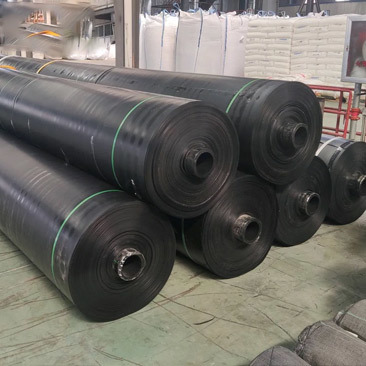
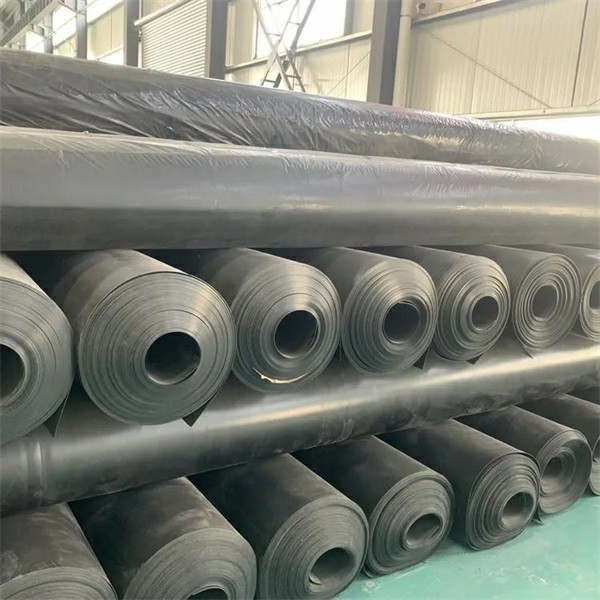
Geomembranes are synthetic membranes used extensively in the construction and civil engineering sectors, primarily for their waterproofing and containment capabilities. Composed of various polymers, these materials provide a reliable barrier to prevent the migration of liquids and gases, making them essential in various applications such as landfill liners, pond and tank liners, and even earthen d
Geomembranes are synthetic membranes used extensively in the construction and civil engineering sectors, primarily for their waterproofing and containment capabilities. Composed of various polymers, these materials provide a reliable barrier to prevent the migration of liquids and gases, making them essential in various applications such as landfill liners, pond and tank liners, and even earthen dam seals.
One of the most significant advantages of geomembranes is their durability. Designed to withstand harsh environmental conditions—such as UV exposure, extreme temperatures, and chemical interactions—geomembranes maintain their integrity over extended periods. This durability not only reduces the frequency of repairs and replacements but also contributes to the overall sustainability of construction projects by minimizing waste.
The installation of geomembranes requires careful planning and execution. Proper site assessment is crucial to determine the appropriate thickness and type of geomembrane needed for a project. Factors such as soil conditions, expected loads, and the nature of the liquids being contained should be thoroughly evaluated. Additionally, geomembranes can be joined through various methods, including thermal fusion and adhesive bonding, each presenting its own advantages depending on the project requirements.
In terms of environmental impact, geomembranes play a vital role in mitigating pollution. By providing a barrier that prevents leachate from landfills from contaminating groundwater, these materials help protect ecosystems and public health. Furthermore, the use of geomembranes can enhance the efficiency of water management systems by reducing evaporation in lined reservoirs, thus conserving water resources.
While geomembranes are highly effective, it is essential to ensure that they are used in conjunction with other engineering solutions. For example, proper drainage systems should be integrated alongside geomembranes to manage water accumulation and prevent hydrostatic pressure that could lead to membrane failure. Additionally, regular maintenance and inspection are vital to detect any signs of wear or damage early, ensuring long-term performance.
In summary, geomembranes are an invaluable asset in the construction industry, offering numerous benefits such as durability, environmental protection, and efficiency. As professionals in the field continue to explore innovative applications and improvements in geomembrane technology, it is crucial to stay informed about best practices and advancements to fully leverage these materials' capabilities in future projects. Thus, understanding the intricacies of geomembranes not only enhances project outcomes but also contributes to more sustainable construction practices.
One of the most significant advantages of geomembranes is their durability. Designed to withstand harsh environmental conditions—such as UV exposure, extreme temperatures, and chemical interactions—geomembranes maintain their integrity over extended periods. This durability not only reduces the frequency of repairs and replacements but also contributes to the overall sustainability of construction projects by minimizing waste.
The installation of geomembranes requires careful planning and execution. Proper site assessment is crucial to determine the appropriate thickness and type of geomembrane needed for a project. Factors such as soil conditions, expected loads, and the nature of the liquids being contained should be thoroughly evaluated. Additionally, geomembranes can be joined through various methods, including thermal fusion and adhesive bonding, each presenting its own advantages depending on the project requirements.
In terms of environmental impact, geomembranes play a vital role in mitigating pollution. By providing a barrier that prevents leachate from landfills from contaminating groundwater, these materials help protect ecosystems and public health. Furthermore, the use of geomembranes can enhance the efficiency of water management systems by reducing evaporation in lined reservoirs, thus conserving water resources.
While geomembranes are highly effective, it is essential to ensure that they are used in conjunction with other engineering solutions. For example, proper drainage systems should be integrated alongside geomembranes to manage water accumulation and prevent hydrostatic pressure that could lead to membrane failure. Additionally, regular maintenance and inspection are vital to detect any signs of wear or damage early, ensuring long-term performance.
In summary, geomembranes are an invaluable asset in the construction industry, offering numerous benefits such as durability, environmental protection, and efficiency. As professionals in the field continue to explore innovative applications and improvements in geomembrane technology, it is crucial to stay informed about best practices and advancements to fully leverage these materials' capabilities in future projects. Thus, understanding the intricacies of geomembranes not only enhances project outcomes but also contributes to more sustainable construction practices.
CONTACT US
Address: Shuangyi Road, Lingcheng District, Dezhou City, Shandong Province


GET A DEDICATED QUOTATION