


The Crucial Role of PE Geomembrane in Modern Construction Projects
Release time:
2025-11-09
The Crucial Role of PE Geomembrane in Modern Construction Projects Table of Contents Introduction to PE Geomembranes What is PE Geomembrane? Benefits of Using PE Geomembranes in Construction Applications of PE Geomembranes in Modern Construction Best Practices for Installing PE Geomembranes Challenges in Using PE Geomembranes and Their Solutions Future Trends in PE Geo
The Crucial Role of PE Geomembrane in Modern Construction Projects
Table of Contents
- Introduction to PE Geomembranes
- What is PE Geomembrane?
- Benefits of Using PE Geomembranes in Construction
- Applications of PE Geomembranes in Modern Construction
- Best Practices for Installing PE Geomembranes
- Challenges in Using PE Geomembranes and Their Solutions
- Future Trends in PE Geomembrane Technology
- Frequently Asked Questions about PE Geomembranes
- Conclusion
Introduction to PE Geomembranes
In the ever-evolving realm of construction, **Polyethylene (PE) geomembranes** have emerged as vital components in various projects. These versatile materials are crucial in addressing environmental challenges while ensuring structural integrity. As modern construction strives for sustainability and efficiency, the **role of PE geomembranes** becomes increasingly significant. This article delves into their functions, advantages, applications, and best practices.
What is PE Geomembrane?
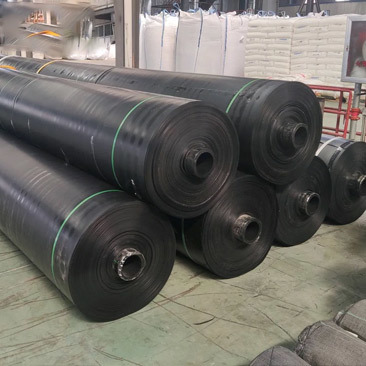
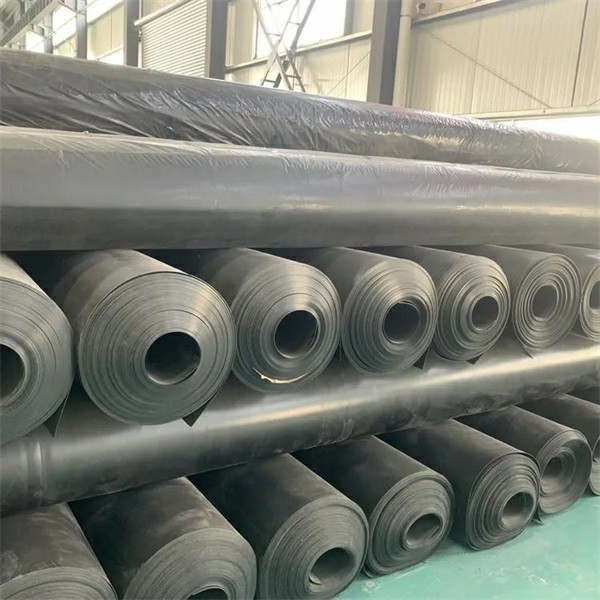
PE geomembranes are impermeable membranes made primarily from polyethylene. They are designed to prevent the migration of liquids or gases in a variety of engineering applications. Typically utilized in landfill liners, water containment structures, and environmental protection projects, these geomembranes serve as crucial barriers. Their exceptional chemical resistance and durability make them suitable for **both above-ground and below-ground applications**.
Types of PE Geomembranes
Several types of PE geomembranes exist, including:
- High-Density Polyethylene (HDPE): Known for its strength and durability, making it ideal for harsh environments.
- Linear Low-Density Polyethylene (LLDPE): More flexible than HDPE, suitable for applications requiring greater elongation.
- Polypropylene (PP): Offers good chemical resistance and is often used in specialized applications.
Benefits of Using PE Geomembranes in Construction
Incorporating PE geomembranes into construction projects provides numerous advantages:
1. Environmental Protection
One of the primary benefits is their ability to prevent leachate contamination. By acting as a barrier, PE geomembranes protect soil and groundwater from hazardous substances, promoting a sustainable approach to construction.
2. Cost-Effectiveness
Using PE geomembranes can lead to significant cost savings over time. Their durability reduces the frequency of repairs and replacements, leading to lower overall project expenses.
3. Versatility
PE geomembranes are suitable for various applications, including landfill containment, water reservoirs, and mining operations, showcasing their adaptability across different sectors.
4. Enhanced Performance
These materials exhibit excellent puncture resistance and tensile strength, ensuring they maintain integrity even under challenging conditions.
Applications of PE Geomembranes in Modern Construction
PE geomembranes are utilized in a range of applications in construction, including:
1. Landfill Liners
PE geomembranes are extensively used as liners in landfills to contain leachate and prevent environmental contamination. Their impermeability is critical in securing waste materials.
2. Water Reservoirs and Dams
In water containment structures, PE geomembranes provide reliable barriers against leaks, ensuring that water resources are conserved and protected from pollutants.
3. Mining Operations
In mining, geomembranes play a vital role in waste containment and water management, preventing the escape of toxic materials into the environment.
4. Agricultural Applications
PE geomembranes are increasingly used in agriculture for pond liners and as barriers to prevent soil erosion, ensuring sustainable farming practices.
Best Practices for Installing PE Geomembranes
Proper installation is crucial for the performance of PE geomembranes. Here are key techniques:
1. Site Preparation
Ensure the substrate is clean, dry, and free of sharp objects. Proper preparation minimizes the risk of punctures during installation.
2. Seam Welding
Employ appropriate welding techniques, such as extrusion welding or hot wedge welding, to ensure strong seams that maintain the integrity of the geomembrane.
3. Covering and Protection
Once installed, protect geomembranes from UV exposure and potential damage by covering them with soil or other materials as needed.
Challenges in Using PE Geomembranes and Their Solutions
While PE geomembranes offer numerous advantages, challenges can arise. Understanding these challenges and their solutions is essential for successful implementation.
1. Environmental Concerns
**Challenge:** The production and disposal of polyethylene can raise environmental issues.
**Solution:** Manufacturers are increasingly focusing on recycling and sustainable practices in the production of PE geomembranes.
2. Installation Difficulties
**Challenge:** Improper installation can lead to leaks and failures.
**Solution:** Training personnel in best practices and employing experienced contractors can mitigate these risks.
3. Long-term Durability
**Challenge:** Concerns about the longevity of geomembranes under extreme conditions.
**Solution:** Selecting high-quality materials and conducting regular inspections can enhance durability and performance.
Future Trends in PE Geomembrane Technology
As technology advances, the future of PE geomembranes looks promising. Trends include:
1. Enhanced Materials
Research is focused on developing geomembranes with superior chemical resistance and durability to withstand extreme environmental conditions.
2. Innovative Installation Techniques
The adoption of automation and advanced welding techniques is set to improve installation efficiency and quality.
3. Environmental Sustainability
There is an increasing push towards sustainable materials, with manufacturers exploring biodegradable options and recycling programs for geomembranes.
Frequently Asked Questions about PE Geomembranes
1. What is the lifespan of a PE geomembrane?
The lifespan can vary, but with proper installation and maintenance, PE geomembranes can last up to 30 years or more.
2. Are PE geomembranes resistant to UV radiation?
Yes, many PE geomembranes are specifically treated for UV resistance, making them suitable for above-ground applications.
3. Can PE geomembranes be recycled?
Yes, some manufacturers offer recycling programs for used geomembranes, contributing to sustainable practices.
4. How do I ensure proper installation of a PE geomembrane?
Hiring experienced contractors and adhering to industry best practices is essential for effective installation.
5. What factors should be considered when selecting a PE geomembrane?
Key factors include chemical compatibility, environmental conditions, and specific application requirements.
Conclusion
In conclusion, the **role of PE geomembranes** in modern construction projects cannot be overstated. Their versatility, durability, and environmental benefits make them essential components in various applications, from landfills to water management. By understanding their advantages and employing best practices during installation, construction professionals can harness the full potential of PE geomembranes to enhance project sustainability and efficiency. As we move forward, ongoing innovations and a focus on sustainability will further solidify the importance of PE geomembranes in the construction industry.
CONTACT US
Address: Shuangyi Road, Lingcheng District, Dezhou City, Shandong Province


GET A DEDICATED QUOTATION