


The Essential Role of Geomembrane Liners in Construction and Environmental Protection
Release time:
2025-11-08
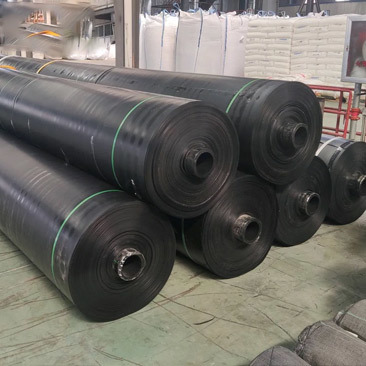
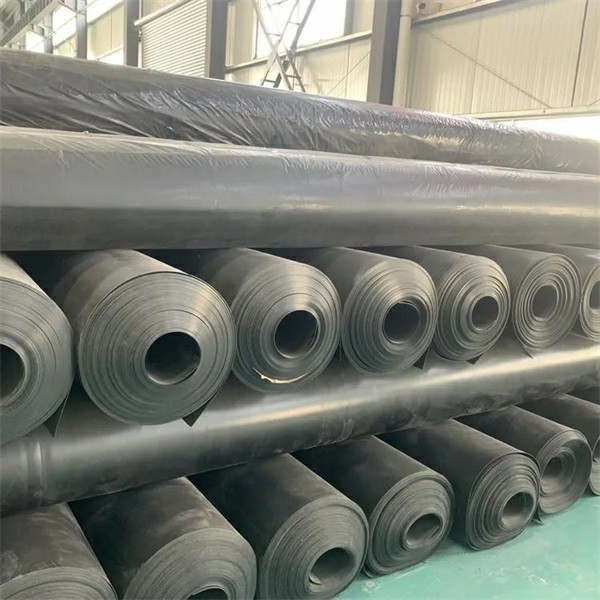
Geomembrane liners are essential components in modern construction and environmental management, particularly in applications involving containment and separation. These impermeable membranes are primarily made from synthetic materials, providing a reliable barrier against liquids and gases. The use of geomembrane liners is widespread in various sectors, including landfills, mining, water reservoi
Geomembrane liners are essential components in modern construction and environmental management, particularly in applications involving containment and separation. These impermeable membranes are primarily made from synthetic materials, providing a reliable barrier against liquids and gases. The use of geomembrane liners is widespread in various sectors, including landfills, mining, water reservoirs, and agricultural practices.
One of the primary functions of geomembrane liners is to prevent contaminant migration. By acting as a barrier, they protect the surrounding environment from harmful substances that may leach from waste or industrial processes. This function is particularly crucial in landfills, where toxic leachate can pose significant risks to groundwater quality. The durability and resistance of geomembrane materials, such as high-density polyethylene (HDPE) and linear low-density polyethylene (LLDPE), ensure long-term performance even under harsh environmental conditions.
When selecting a geomembrane liner, it is vital to consider the specific application and site conditions. Factors such as chemical compatibility, temperature extremes, and mechanical stress must be assessed to ensure the selected material meets performance expectations. Additionally, the thickness of the geomembrane liner is a critical factor that influences its impermeability and strength. Thicker liners typically offer enhanced protection against punctures and tears, making them suitable for more demanding applications.
The installation process of geomembrane liners requires meticulous planning and execution. Proper surface preparation is essential to ensure optimal adherence and minimize the risk of failure. Prior to installation, the substrate must be cleared of debris, sharp objects, and any irregularities that could compromise the liner's integrity. Techniques such as welding and seaming are commonly employed to join sections of geomembrane, creating a seamless barrier that enhances overall containment effectiveness.
Moreover, the functionality of geomembrane liners can be further improved through the use of protective layers or geotextiles. These additional materials can provide reinforcement, reduce wear and tear, and enhance the overall longevity of the liner system. Implementing a comprehensive monitoring and maintenance plan is also crucial to ensure the continued efficacy of geomembrane liners throughout their operational life.
In summary, geomembrane liners serve a vital role in construction and environmental applications, providing essential containment and protective functions. Their selection, installation, and maintenance require careful attention to detail to ensure they perform effectively within the specific context of use. Understanding these aspects can lead to better decision-making and more sustainable practices in the construction industry.
One of the primary functions of geomembrane liners is to prevent contaminant migration. By acting as a barrier, they protect the surrounding environment from harmful substances that may leach from waste or industrial processes. This function is particularly crucial in landfills, where toxic leachate can pose significant risks to groundwater quality. The durability and resistance of geomembrane materials, such as high-density polyethylene (HDPE) and linear low-density polyethylene (LLDPE), ensure long-term performance even under harsh environmental conditions.
When selecting a geomembrane liner, it is vital to consider the specific application and site conditions. Factors such as chemical compatibility, temperature extremes, and mechanical stress must be assessed to ensure the selected material meets performance expectations. Additionally, the thickness of the geomembrane liner is a critical factor that influences its impermeability and strength. Thicker liners typically offer enhanced protection against punctures and tears, making them suitable for more demanding applications.
The installation process of geomembrane liners requires meticulous planning and execution. Proper surface preparation is essential to ensure optimal adherence and minimize the risk of failure. Prior to installation, the substrate must be cleared of debris, sharp objects, and any irregularities that could compromise the liner's integrity. Techniques such as welding and seaming are commonly employed to join sections of geomembrane, creating a seamless barrier that enhances overall containment effectiveness.
Moreover, the functionality of geomembrane liners can be further improved through the use of protective layers or geotextiles. These additional materials can provide reinforcement, reduce wear and tear, and enhance the overall longevity of the liner system. Implementing a comprehensive monitoring and maintenance plan is also crucial to ensure the continued efficacy of geomembrane liners throughout their operational life.
In summary, geomembrane liners serve a vital role in construction and environmental applications, providing essential containment and protective functions. Their selection, installation, and maintenance require careful attention to detail to ensure they perform effectively within the specific context of use. Understanding these aspects can lead to better decision-making and more sustainable practices in the construction industry.
CONTACT US
Address: Shuangyi Road, Lingcheng District, Dezhou City, Shandong Province


GET A DEDICATED QUOTATION