


Composite Geomembranes: Revolutionizing Infrastructure Development in Modern Construction
Release time:
2025-11-07
Composite Geomembranes in Infrastructure Development: A Case Study Introduction to Composite Geomembranes Composite geomembranes are critical components in modern construction, serving various functions, including waterproofing, containment, and soil stabilization. Their unique composition of multiple layers makes them highly effective for a range of applications in infrastructure development. Thi
Composite Geomembranes in Infrastructure Development: A Case Study
Introduction to Composite Geomembranes
Composite geomembranes are critical components in modern construction, serving various functions, including waterproofing, containment, and soil stabilization. Their unique composition of multiple layers makes them highly effective for a range of applications in infrastructure development. This article explores the significance of composite geomembranes in the construction industry, focusing on a detailed case study that highlights their effectiveness and transformative potential.
The Role of Geomembranes in Infrastructure Projects
Geomembranes are synthetic membranes used to control the movement of fluids within a project site. They provide crucial barriers, preventing leakage and contamination in various applications—from landfill liners to water retention ponds. The unique properties of composite geomembranes enhance their performance, making them ideal for challenging environments.
What Are Composite Geomembranes?
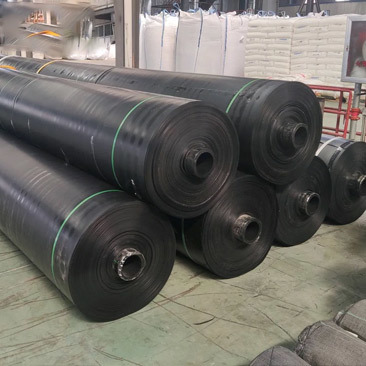
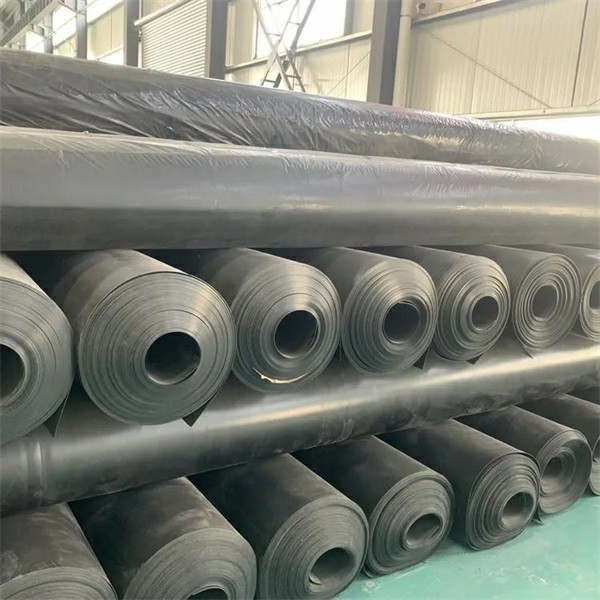
Composite geomembranes consist of two or more materials, typically combining a geomembrane with a geotextile. This combination provides added strength and filtration capabilities, making them suitable for various applications in infrastructure projects. The key features of composite geomembranes include:
- **Enhanced Durability**: Their multilayer makeup offers superior resistance to punctures and tears.
- **Environmental Safety**: They help in managing and containing hazardous materials, protecting groundwater and soil from contamination.
- **Cost-Effectiveness**: Using composite geomembranes reduces the need for additional materials and labor, streamlining project timelines and budgets.
Applications of Composite Geomembranes in Infrastructure Development
The versatility of composite geomembranes allows their application across numerous sectors within infrastructure development. Some prominent applications include:
- **Landfill Liners**: Preventing leachate from contaminating soil and groundwater sources.
- **Water Reservoirs**: Ensuring water retention and minimizing evaporation losses in agricultural and municipal projects.
- **Mining Operations**: Managing tailings and containment systems effectively.
- **Coastal Protection**: Providing barrier solutions against erosion and flooding.
Case Study: Successful Implementation of Composite Geomembranes
To illustrate the efficacy of composite geomembranes, we examine a significant infrastructure project that successfully integrated these materials.
Project Overview
The project involved the construction of a large municipal landfill designed to handle waste from a rapidly growing urban area. The site faced significant challenges, including proximity to groundwater sources and the need for swift implementation within a constrained timeline.
Challenges Faced
Several key challenges arose during the planning and construction phases:
- **Environmental Concerns**: Containing potential leachate to prevent soil and groundwater contamination was paramount.
- **Budget Constraints**: The project required cost-effective solutions that did not compromise safety or longevity.
- **Weather Conditions**: The project site was prone to heavy rainfall and flooding, necessitating a solution that could withstand such conditions.
Implementation of Composite Geomembranes
To address these challenges, the construction team opted for composite geomembranes, which provided the following advantages:
- **Durability Against Environmental Stress**: The multilayer structure resisted punctures and environmental degradation, ensuring long-term performance.
- **Fast Installation**: The geomembranes could be installed quickly, allowing the project to stay on schedule despite inclement weather.
- **Cost Savings**: The use of composite geomembranes reduced the need for additional protective layers, leading to significant material and labor cost reductions.
Outcomes of the Project
The implementation of composite geomembranes led to remarkable outcomes, including:
- **Effective Containment**: Post-construction monitoring confirmed that there was no leachate contamination in surrounding areas, safeguarding local water sources.
- **Project Timeliness**: The project was completed ahead of schedule, enabling the municipality to manage waste effectively and reduce landfill pressure.
- **Positive Environmental Impact**: The successful containment of waste materials demonstrated the project’s commitment to environmental safety, earning community support.
Benefits of Using Composite Geomembranes
The advantages of composite geomembranes extend beyond individual projects. Their broader implications for infrastructure development include:
1. Environmental Sustainability
Composite geomembranes contribute to sustainable construction practices by preventing contamination and promoting responsible waste management.
2. Economic Efficiency
Cost savings from reduced labor and material needs make composite geomembranes an attractive choice for project managers, leading to more viable and profitable projects.
3. Versatility across Applications
Due to their adaptability, composite geomembranes can be applied in various sectors, from waste management to water conservation, enhancing their overall utility in construction.
Future Trends in Composite Geomembranes
As the construction industry evolves, so do the innovations in composite geomembranes. Emerging trends include:
1. Advanced Materials and Technologies
Research is ongoing to develop new materials that enhance the properties of composite geomembranes, focusing on sustainability and performance.
2. Increased Regulation and Standards
Regulatory bodies are likely to impose stricter guidelines for waste containment and environmental protection, prompting the need for advanced geomembrane solutions.
3. Integration with Smart Technologies
The future may see composite geomembranes equipped with sensors to monitor their performance in real-time, ensuring early detection of potential issues.
FAQs About Composite Geomembranes
1. What is the primary function of composite geomembranes?
Composite geomembranes primarily function as barriers to contain fluids and prevent contamination from hazardous materials in construction projects.
2. How do composite geomembranes differ from traditional geomembranes?
Composite geomembranes combine multiple layers of materials, enhancing durability and performance compared to traditional single-layer geomembranes.
3. Are composite geomembranes environmentally friendly?
Yes, composite geomembranes are designed to minimize environmental impact by effectively containing waste and preventing leachate from contaminating soil and groundwater.
4. What industries benefit from the use of composite geomembranes?
Composite geomembranes are used across various industries, including waste management, mining, agriculture, and civil engineering.
5. How is the installation process of composite geomembranes conducted?
The installation of composite geomembranes involves site preparation, laying the geomembrane, and securing it in place to ensure a proper seal against leakage.
Conclusion
Composite geomembranes play a pivotal role in modern infrastructure development, offering innovative solutions to pressing environmental and structural challenges. Their unique properties, demonstrated through successful case studies, showcase their effectiveness and adaptability across various applications. As we move towards a more sustainable future in construction, the importance of composite geomembranes cannot be overstated. Their contribution to cost-effective, environmentally sound, and efficient building practices positions them as essential materials in the infrastructure landscape. Embracing these advancements will be crucial for project managers and stakeholders aiming for success in an increasingly competitive and regulated industry.
CONTACT US
Address: Shuangyi Road, Lingcheng District, Dezhou City, Shandong Province


GET A DEDICATED QUOTATION