


The Science Behind Geomembrane Material: Essential Insights for Construction and Environmental Applications
Release time:
2025-11-01
The Science Behind Geomembrane Material: Essential Insights for Construction and Environmental Applications Table of Contents What is Geomembrane Material? Types of Geomembranes Key Properties and Characteristics of Geomembranes Applications of Geomembranes in Construction and Environmental Protection Advantages of Using Geomembranes Installation Techniques for Geomembranes Maintena
The Science Behind Geomembrane Material: Essential Insights for Construction and Environmental Applications
Table of Contents
- What is Geomembrane Material?
- Types of Geomembranes
- Key Properties and Characteristics of Geomembranes
- Applications of Geomembranes in Construction and Environmental Protection
- Advantages of Using Geomembranes
- Installation Techniques for Geomembranes
- Maintenance and Monitoring of Geomembranes
- Future Trends in Geomembrane Materials
- FAQs
What is Geomembrane Material?
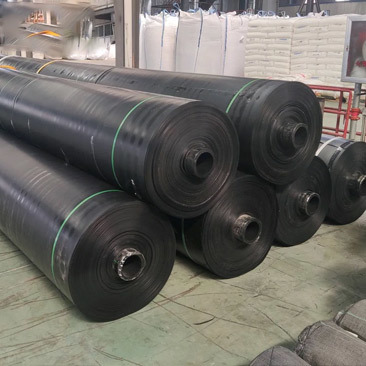
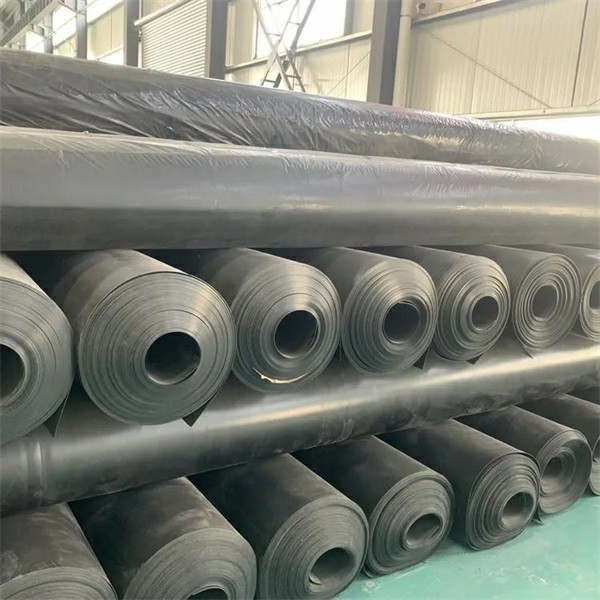
Geomembrane materials are synthetic membranes used to control fluid or gas migration in a variety of applications. Typically composed of high-density polyethylene (HDPE), low-density polyethylene (LDPE), or polyvinyl chloride (PVC), geomembranes serve as barriers that prevent contaminants from leaching into the environment. Their robust construction makes them ideal for applications in landfill liners, water reservoirs, and environmental protection.
Types of Geomembranes
When selecting geomembrane materials, understanding the different types available is essential. The most common types include:
1. High-Density Polyethylene (HDPE)
HDPE geomembranes are known for their excellent chemical resistance and tensile strength. They are widely used in landfill applications and are suitable for both above-ground and below-ground installations.
2. Low-Density Polyethylene (LDPE)
LDPE geomembranes are more flexible than HDPE versions, making them ideal for applications where conformability is critical. They are often utilized in pond liners and other water containment systems.
3. Polyvinyl Chloride (PVC)
PVC geomembranes are versatile and can be easily welded, making them suitable for various applications, including irrigation canals and environmental containment systems.
4. Ethylene Propylene Diene Monomer (EPDM)
EPDM geomembranes are known for their exceptional weather resistance and longevity, making them ideal for exposed applications, such as roof gardens and green roofs.
Key Properties and Characteristics of Geomembranes
Understanding the properties of geomembranes is essential for selecting the right material for your project. Key characteristics include:
1. Chemical Resistance
Geomembranes exhibit high resistance to a variety of chemicals, making them suitable for environments exposed to hazardous materials.
2. UV Stability
Certain geomembranes, particularly HDPE and EPDM, offer excellent UV stability, ensuring long-term performance even in direct sunlight.
3. Puncture Resistance
The thickness and material composition of geomembranes contribute to their puncture resistance, making them suitable for use in various terrains.
4. Flexibility and Conformability
The flexibility of LDPE and PVC geomembranes allows them to conform to the underlying surface, which is crucial for applications requiring a tight fit.
Applications of Geomembranes in Construction and Environmental Protection
Geomembranes play a vital role in several applications across different industries:
1. Landfill Liners
In municipal and industrial landfills, geomembranes act as barriers to prevent leachate from contaminating groundwater resources.
2. Water Reservoirs
Geomembranes are used to line water reservoirs and prevent seepage, ensuring that water is contained efficiently.
3. Containment Systems
In chemical manufacturing, geomembranes are crucial for containment systems designed to prevent spills and leaks.
4. Mining Applications
In mining operations, geomembranes are utilized to manage tailings and prevent environmental contamination.
5. Agricultural Uses
Geomembranes are also used in agricultural settings, such as pond liners and irrigation systems, to retain water and manage resources efficiently.
Advantages of Using Geomembranes
The use of geomembranes offers several key advantages:
1. Environmental Protection
By preventing the migration of contaminants, geomembranes contribute significantly to environmental protection and sustainability.
2. Cost-Effectiveness
The durability and longevity of geomembranes reduce the need for frequent replacements, leading to cost savings in the long run.
3. Versatility
With various types available, geomembranes can be tailored to meet specific project requirements across multiple industries.
4. Ease of Installation
Geomembranes can be installed quickly and efficiently, minimizing downtime and labor costs on construction sites.
Installation Techniques for Geomembranes
Successful installation is critical for ensuring the performance of geomembranes. Key techniques include:
1. Site Preparation
Before installation, the site must be properly prepared, ensuring a smooth and clean surface to accommodate the geomembrane.
2. Seam Welding
Seam welding methods, including thermal welding and extrusion welding, are essential for creating strong, impermeable joints between geomembrane sheets.
3. Quality Control
Regular inspections and quality control measures should be implemented during installation to ensure compliance with project specifications.
Maintenance and Monitoring of Geomembranes
While geomembranes are designed to be durable, regular maintenance and monitoring are crucial for long-term performance:
1. Inspections
Routine inspections should be performed to identify any signs of wear, punctures, or other damage to the geomembrane.
2. Prompt Repairs
Any identified issues should be addressed immediately to prevent more extensive damage and ensure continued operational integrity.
3. Performance Monitoring
Monitoring systems can be implemented to track the performance of geomembranes over time, ensuring they continue to meet environmental standards.
Future Trends in Geomembrane Materials
The geomembrane industry continuously evolves, with several trends shaping its future:
1. Sustainable Materials
The development of eco-friendly geomembranes made from recycled materials is gaining traction, aligning with global sustainability goals.
2. Smart Technologies
Integrating smart technologies, such as sensors, into geomembranes for real-time monitoring offers the potential for enhanced performance and early detection of issues.
3. Advanced Manufacturing Techniques
Innovations in manufacturing processes are leading to the production of geomembranes with improved properties, such as enhanced durability and flexibility.
FAQs
1. What is the primary function of geomembranes?
Geomembranes primarily serve as barriers to control fluid or gas migration, preventing contaminants from spreading into the environment.
2. How long do geomembranes typically last?
The lifespan of geomembranes varies based on the material and environmental conditions, but many can last 20-30 years or more with proper installation and maintenance.
3. Are geomembranes environmentally friendly?
Many geomembranes are designed to be environmentally friendly, especially those made from recycled materials or those that do not leach harmful chemicals into the surrounding environment.
4. Can geomembranes be repaired if damaged?
Yes, geomembranes can be repaired using various methods, including patching and welding, depending on the extent of the damage.
5. What factors should be considered when selecting a geomembrane?
Factors to consider include the specific application, environmental conditions, chemical exposure, and budget constraints.
Conclusion
Understanding the science behind geomembrane materials is essential for professionals in construction and environmental engineering. From their various types and properties to their wide range of applications, geomembranes play a pivotal role in ensuring environmental protection and effective resource management. By selecting the appropriate geomembrane and employing proper installation and maintenance techniques, projects can achieve optimal performance and sustainability. As advancements continue in the field, staying informed about new trends and technologies will further enhance the efficacy of geomembrane applications in a rapidly evolving landscape.
CONTACT US
Address: Shuangyi Road, Lingcheng District, Dezhou City, Shandong Province


GET A DEDICATED QUOTATION