


The Essential Guide to Geomembranes in Construction
Release time:
2025-10-31
Geomembranes are synthetic membranes used as impermeable barriers in various construction and landscaping projects. Their primary function is to control fluid movement, making them critical in applications such as landfill liners, water containment, and earthworks. Understanding the properties and benefits of geomembranes can significantly enhance project outcomes in the construction and decorativ
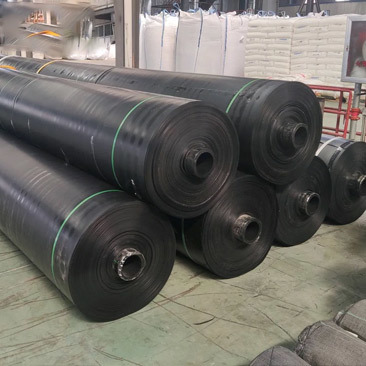
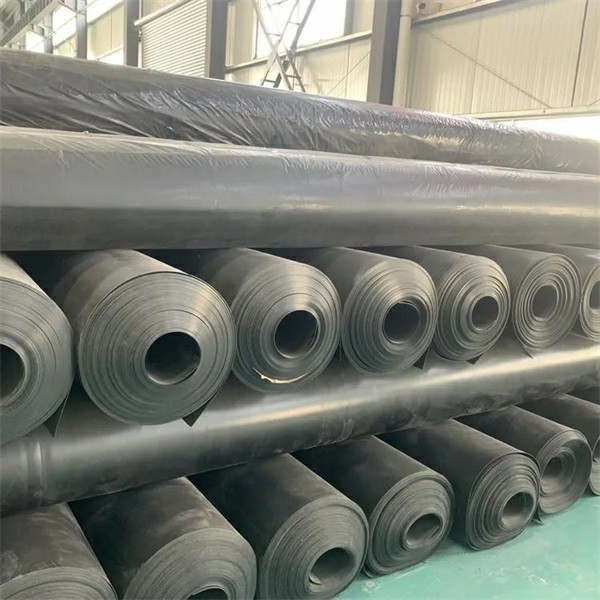
Geomembranes are synthetic membranes used as impermeable barriers in various construction and landscaping projects. Their primary function is to control fluid movement, making them critical in applications such as landfill liners, water containment, and earthworks. Understanding the properties and benefits of geomembranes can significantly enhance project outcomes in the construction and decorative materials industry.
One of the key characteristics of geomembranes is their chemical resistance. They are engineered to withstand a wide range of chemicals, making them suitable for use in environments that involve hazardous substances. This resistance is crucial for projects that require containment of liquids, such as leachate from landfills or stormwater management systems. Additionally, their durability ensures a long lifespan, reducing the need for frequent replacements and maintenance.
Another significant advantage of geomembranes is their adaptability. They can be manufactured in various thicknesses and widths to meet specific project requirements. This flexibility allows engineers and contractors to select the appropriate geomembrane based on the unique conditions of each site, including soil type, expected stress loads, and environmental considerations. Furthermore, geomembranes can be installed in various configurations, including flat, sloped, or vertical applications, making them highly versatile for diverse project needs.
The installation process of geomembranes is also straightforward, which can lead to cost savings in labor and time. Typically, they are installed using techniques such as welding or adhesive bonding to create a seamless barrier. Proper installation is crucial to ensure the integrity of the barrier and its effectiveness in preventing fluid migration. Moreover, the lightweight nature of geomembranes facilitates easier handling and transportation, which is a significant advantage on construction sites.
From an environmental perspective, geomembranes play a vital role in sustainability. They help prevent contamination of groundwater and soil, thus enhancing environmental protection. By effectively managing water and waste, geomembranes contribute to the overall integrity of construction projects and promote responsible resource management.
In summary, geomembranes are essential materials in the construction and landscaping sectors, offering a range of benefits including chemical resistance, adaptability, ease of installation, and environmental protection. Understanding these key aspects can empower contractors and engineers to make informed decisions that enhance project efficiency and sustainability. As the industry continues to evolve, the role of geomembranes will only become more critical in achieving successful outcomes.
One of the key characteristics of geomembranes is their chemical resistance. They are engineered to withstand a wide range of chemicals, making them suitable for use in environments that involve hazardous substances. This resistance is crucial for projects that require containment of liquids, such as leachate from landfills or stormwater management systems. Additionally, their durability ensures a long lifespan, reducing the need for frequent replacements and maintenance.
Another significant advantage of geomembranes is their adaptability. They can be manufactured in various thicknesses and widths to meet specific project requirements. This flexibility allows engineers and contractors to select the appropriate geomembrane based on the unique conditions of each site, including soil type, expected stress loads, and environmental considerations. Furthermore, geomembranes can be installed in various configurations, including flat, sloped, or vertical applications, making them highly versatile for diverse project needs.
The installation process of geomembranes is also straightforward, which can lead to cost savings in labor and time. Typically, they are installed using techniques such as welding or adhesive bonding to create a seamless barrier. Proper installation is crucial to ensure the integrity of the barrier and its effectiveness in preventing fluid migration. Moreover, the lightweight nature of geomembranes facilitates easier handling and transportation, which is a significant advantage on construction sites.
From an environmental perspective, geomembranes play a vital role in sustainability. They help prevent contamination of groundwater and soil, thus enhancing environmental protection. By effectively managing water and waste, geomembranes contribute to the overall integrity of construction projects and promote responsible resource management.
In summary, geomembranes are essential materials in the construction and landscaping sectors, offering a range of benefits including chemical resistance, adaptability, ease of installation, and environmental protection. Understanding these key aspects can empower contractors and engineers to make informed decisions that enhance project efficiency and sustainability. As the industry continues to evolve, the role of geomembranes will only become more critical in achieving successful outcomes.
CONTACT US
Address: Shuangyi Road, Lingcheng District, Dezhou City, Shandong Province


GET A DEDICATED QUOTATION