


PE Geomembrane vs. Traditional Materials: What's the Best Choice?
Release time:
2025-10-30
PE Geomembrane vs. Traditional Materials: What's the Best Choice? Table of Contents Understanding Geomembranes Traditional Construction Materials Comparing PE Geomembranes and Traditional Materials Advantages of PE Geomembrane Disadvantages of PE Geomembrane Advantages of Traditional Materials Disadvantages of Traditional Materials Application Suitability Conclusion FAQs Unde
PE Geomembrane vs. Traditional Materials: What's the Best Choice?
Table of Contents
- Understanding Geomembranes
- Traditional Construction Materials
- Comparing PE Geomembranes and Traditional Materials
- Advantages of PE Geomembrane
- Disadvantages of PE Geomembrane
- Advantages of Traditional Materials
- Disadvantages of Traditional Materials
- Application Suitability
- Conclusion
- FAQs
Understanding Geomembranes
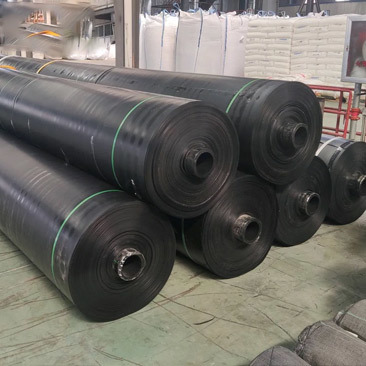
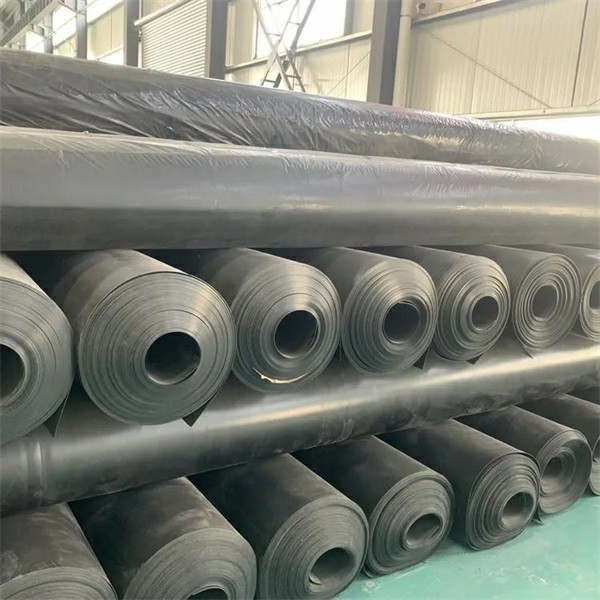
Geomembranes are synthetic membranes widely utilized in environmental protection and construction projects. Primarily made from polyethylene (PE) and other polymers, these materials serve as liners, barriers, and containment solutions for various applications. They are known for their durability, flexibility, and resistance to chemicals, making them ideal for projects like landfills, ponds, and reservoirs.
Traditional Construction Materials
Traditional construction materials generally include concrete, clay, asphalt, and natural fibers. These materials have been staples in the construction industry for decades, offering proven performance in a range of applications. While traditional materials have their own set of advantages, they may not always be the most efficient or environmentally friendly options for modern construction needs.
Comparing PE Geomembranes and Traditional Materials
The debate between using PE geomembranes and traditional materials boils down to several factors, including durability, installation ease, cost, and environmental impact. Understanding these differences is crucial for making the best choice for your project.
Durability and Longevity
PE geomembranes are highly resistant to punctures, UV radiation, and chemical erosion, making them a long-lasting choice for many applications. In contrast, traditional materials, while durable in their own right, can suffer from wear and tear over time, leading to costly repairs or replacements.
Installation and Labor Costs
PE geomembranes are comparatively easier and faster to install than traditional materials. Their lightweight nature reduces labor costs and installation time. On the other hand, traditional materials often require more intensive labor, thereby increasing overall project costs.
Environmental Impact
PE geomembranes are often considered a more environmentally friendly option, as they can be made from recycled materials and are fully recyclable themselves. Traditional materials, particularly concrete and asphalt, have higher carbon footprints due to their production processes and resource extraction.
Advantages of PE Geomembrane
When evaluating the benefits of PE geomembranes, several key points emerge:
1. Cost-Effectiveness
Despite higher upfront costs, the long-term savings associated with maintenance and repair often make PE geomembranes a more cost-effective choice over time.
2. Chemical Resistance
PE geomembranes excel in environments with chemical exposure, offering superior resistance compared to traditional materials, which may degrade or lose structural integrity when exposed to harsh chemicals.
3. Flexibility and Adaptability
The flexibility of PE geomembranes allows them to conform to irregular surfaces, making them an excellent choice for various terrains and applications.
4. Lightweight and Easy to Transport
Being lightweight, PE geomembranes reduce transport costs and make handling easier on-site.
Disadvantages of PE Geomembrane
While PE geomembranes offer numerous advantages, they also come with some drawbacks:
1. UV Degradation
Extended exposure to sunlight can degrade PE geomembranes unless they are treated with UV stabilizers, which can increase costs.
2. Limited Structural Support
PE geomembranes do not provide the same level of structural support as traditional materials, which can be a consideration in certain applications.
Advantages of Traditional Materials
Traditional materials also bring specific benefits worth considering:
1. Proven Performance
Traditional materials have a long track record of success in various construction applications, providing reliability and familiarity to project managers.
2. Structural Integrity
Materials like concrete and asphalt provide robust structural support, making them ideal for load-bearing applications.
3. Availability
Traditional materials are widely available and often easier to source, which can expedite project timelines.
Disadvantages of Traditional Materials
Despite their advantages, traditional materials present some challenges:
1. Environmental Concerns
Many traditional materials contribute to a higher carbon footprint due to their production and transportation processes, raising sustainability concerns.
2. Higher Maintenance Costs
Over time, traditional materials may require more frequent maintenance, leading to increased long-term costs for projects.
Application Suitability
When deciding between PE geomembranes and traditional materials, the specific application plays a critical role. For example:
1. Landfills and Waste Facilities
For projects requiring containment and environmental protection, PE geomembranes are often the preferred choice due to their chemical resistance and impermeability.
2. Water Management Systems
In applications involving ponds or reservoirs, the flexibility and durability of PE geomembranes make them highly effective.
3. Construction Foundations
When structural integrity is paramount, traditional materials like concrete may be more suitable for foundational work.
Conclusion
Choosing between PE geomembranes and traditional materials ultimately depends on the specific requirements of your project. PE geomembranes offer significant advantages in terms of durability, environmental impact, and installation efficiency, while traditional materials provide proven performance and structural integrity. By understanding the unique benefits and challenges of each option, decision-makers can select the most appropriate materials to meet their project goals.
FAQs
1. What is the primary use of PE geomembranes?
PE geomembranes are primarily used for containment and barrier applications, such as in landfills, ponds, and reservoirs.
2. How do PE geomembranes compare to traditional materials in terms of cost?
While PE geomembranes might have a higher initial cost, they can be more cost-effective in the long run due to lower maintenance and repair needs.
3. Can PE geomembranes be recycled?
Yes, PE geomembranes can be made from recycled materials and are also fully recyclable, making them an environmentally friendly option.
4. Are traditional materials more reliable than PE geomembranes?
Traditional materials have a long history of successful use, but PE geomembranes excel in specific applications, particularly those involving chemical exposure and containment.
5. What factors should I consider when choosing between PE geomembranes and traditional materials?
Consider factors such as application type, environmental impact, cost, and durability when making your decision.
CONTACT US
Address: Shuangyi Road, Lingcheng District, Dezhou City, Shandong Province


GET A DEDICATED QUOTATION