


Understanding Composite Geomembrane: A Key Element in Construction and Landscaping
Release time:
2025-11-02
Composite geomembranes are advanced materials used primarily for waterproofing and containment in civil engineering and construction applications. These geomembranes are typically composed of two or more layers, combining the benefits of different materials to enhance performance and durability. The most common types consist of a polymeric layer, such as high-density polyethylene (HDPE) or linear
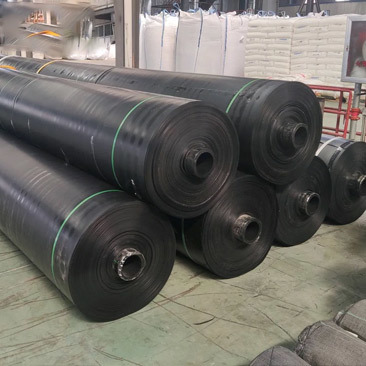
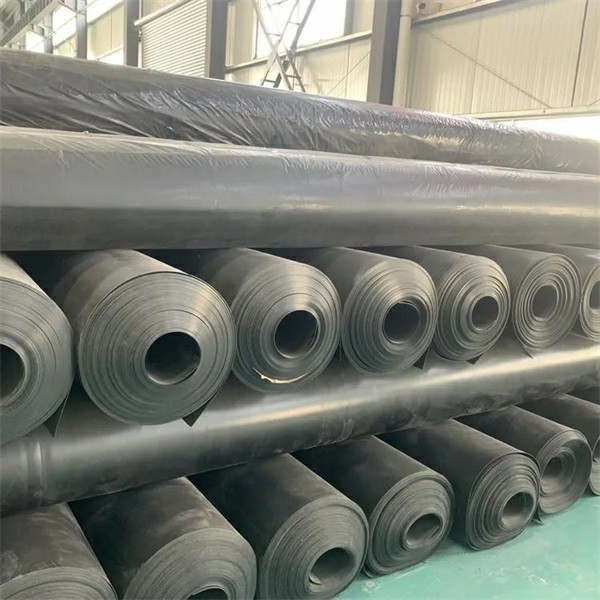
Composite geomembranes are advanced materials used primarily for waterproofing and containment in civil engineering and construction applications. These geomembranes are typically composed of two or more layers, combining the benefits of different materials to enhance performance and durability. The most common types consist of a polymeric layer, such as high-density polyethylene (HDPE) or linear low-density polyethylene (LLDPE), coupled with a geotextile layer. This combination provides excellent puncture resistance, tensile strength, and flexibility.
One of the key advantages of composite geomembranes is their ability to resist environmental stresses, including UV radiation, temperature fluctuations, and chemical exposure. This makes them particularly suitable for applications such as landfill liners, pond liners, and containment solutions in agricultural and industrial settings. The additional geotextile layer not only reinforces the geomembrane but also facilitates drainage and filter functions, ensuring that water and other fluids are effectively managed.
In construction projects, the installation of composite geomembranes can significantly reduce the risk of leakage and contamination. By creating a reliable barrier, these materials protect groundwater and surrounding environments from harmful substances. This capability is increasingly vital in an era where environmental regulations are stricter and the need for sustainable practices is paramount.
Moreover, the installation process of composite geomembranes is designed to be efficient, often requiring less time compared to traditional methods. Their lightweight nature and flexibility allow for easier handling and fitting, making them a preferred choice for contractors. Furthermore, their long service life reduces the need for frequent replacements, offering long-term cost savings.
The versatility of composite geomembranes extends beyond just containment. They are also utilized in various applications such as green roofs, water management systems, and even in landscaping projects to create aesthetic water features. The ability to customize sizes and designs makes them suitable for a wide range of projects, catering to specific client needs and project requirements.
In conclusion, composite geomembranes are essential components in the construction and landscaping industries. Their unique properties, environmental resistance, and versatile applications make them invaluable for ensuring effective waterproofing and containment solutions. As the demand for high-performance materials continues to grow, understanding the role and advantages of composite geomembranes becomes increasingly important for professionals in the field.
One of the key advantages of composite geomembranes is their ability to resist environmental stresses, including UV radiation, temperature fluctuations, and chemical exposure. This makes them particularly suitable for applications such as landfill liners, pond liners, and containment solutions in agricultural and industrial settings. The additional geotextile layer not only reinforces the geomembrane but also facilitates drainage and filter functions, ensuring that water and other fluids are effectively managed.
In construction projects, the installation of composite geomembranes can significantly reduce the risk of leakage and contamination. By creating a reliable barrier, these materials protect groundwater and surrounding environments from harmful substances. This capability is increasingly vital in an era where environmental regulations are stricter and the need for sustainable practices is paramount.
Moreover, the installation process of composite geomembranes is designed to be efficient, often requiring less time compared to traditional methods. Their lightweight nature and flexibility allow for easier handling and fitting, making them a preferred choice for contractors. Furthermore, their long service life reduces the need for frequent replacements, offering long-term cost savings.
The versatility of composite geomembranes extends beyond just containment. They are also utilized in various applications such as green roofs, water management systems, and even in landscaping projects to create aesthetic water features. The ability to customize sizes and designs makes them suitable for a wide range of projects, catering to specific client needs and project requirements.
In conclusion, composite geomembranes are essential components in the construction and landscaping industries. Their unique properties, environmental resistance, and versatile applications make them invaluable for ensuring effective waterproofing and containment solutions. As the demand for high-performance materials continues to grow, understanding the role and advantages of composite geomembranes becomes increasingly important for professionals in the field.
CONTACT US
Address: Shuangyi Road, Lingcheng District, Dezhou City, Shandong Province


GET A DEDICATED QUOTATION