


Understanding Geomembrane Material: Essential Insights for Construction and Civil Engineering
Release time:
2025-10-27
Geomembrane material is a crucial component in the construction and civil engineering industries, primarily used for containment and protection against liquid and gas migration. Typically made from high-density polyethylene (HDPE), low-density polyethylene (LDPE), or polyvinyl chloride (PVC), geomembranes are engineered to provide a reliable barrier for various applications. One of the key feature
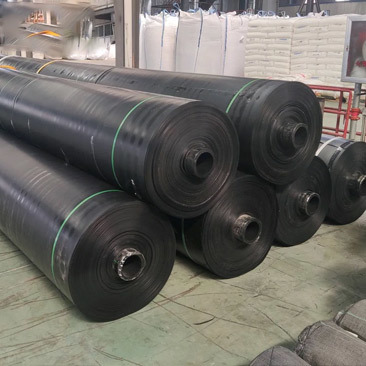
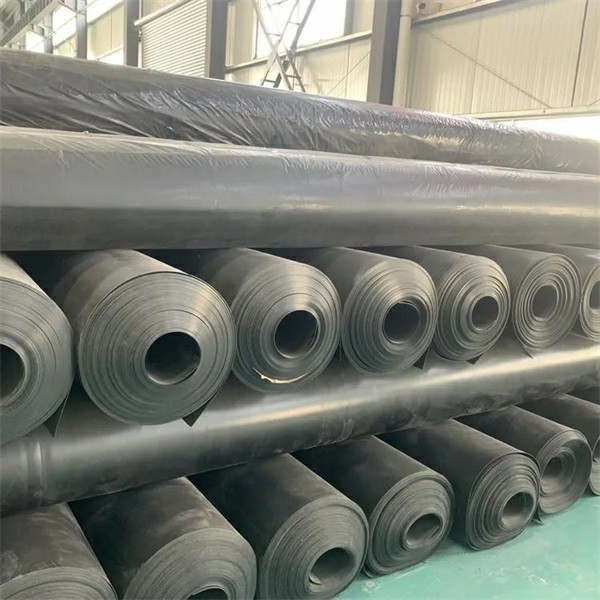
Geomembrane material is a crucial component in the construction and civil engineering industries, primarily used for containment and protection against liquid and gas migration. Typically made from high-density polyethylene (HDPE), low-density polyethylene (LDPE), or polyvinyl chloride (PVC), geomembranes are engineered to provide a reliable barrier for various applications.
One of the key features of geomembrane material is its durability. These materials are designed to withstand harsh environmental conditions, including UV radiation, extreme temperatures, and chemical exposure. This resilience makes them ideal for use in landfills, mining operations, and agriculture, where they serve to prevent contamination of groundwater and preserve the integrity of the surrounding ecosystem.
Another significant advantage of geomembranes is their flexibility and ease of installation. Unlike traditional construction materials, geomembranes can be easily adapted to various shapes and sizes, making them suitable for complex site geometries. This flexibility not only simplifies the installation process but also enhances the overall efficiency of construction projects, reducing labor time and costs.
In addition to their protective functions, geomembrane materials can play a vital role in water management systems. They are commonly used in applications such as ponds, reservoirs, and irrigation systems, where they help retain water and prevent seepage. By effectively managing water resources, geomembranes contribute to sustainable construction practices and help mitigate the impacts of climate change on infrastructure.
Furthermore, geomembrane materials are increasingly being recognized for their role in environmental protection. With growing concerns about pollution and environmental degradation, the use of geomembranes in landfill capping and containment systems has become essential. They provide a reliable barrier that prevents hazardous materials from leaching into the environment, thereby safeguarding public health and preserving natural resources.
When selecting geomembrane material for a project, it is essential to consider various factors, including the specific application, environmental conditions, and regulatory requirements. Ensuring the right material is chosen not only maximizes performance but also enhances the longevity of the installation.
In conclusion, geomembrane material is an indispensable element in modern construction and civil engineering. Its exceptional properties, coupled with its role in environmental protection and water management, make it a versatile choice for a wide range of applications. Understanding the benefits and applications of geomembranes can equip construction professionals with the knowledge needed to make informed decisions, ultimately leading to more sustainable and efficient project outcomes.
One of the key features of geomembrane material is its durability. These materials are designed to withstand harsh environmental conditions, including UV radiation, extreme temperatures, and chemical exposure. This resilience makes them ideal for use in landfills, mining operations, and agriculture, where they serve to prevent contamination of groundwater and preserve the integrity of the surrounding ecosystem.
Another significant advantage of geomembranes is their flexibility and ease of installation. Unlike traditional construction materials, geomembranes can be easily adapted to various shapes and sizes, making them suitable for complex site geometries. This flexibility not only simplifies the installation process but also enhances the overall efficiency of construction projects, reducing labor time and costs.
In addition to their protective functions, geomembrane materials can play a vital role in water management systems. They are commonly used in applications such as ponds, reservoirs, and irrigation systems, where they help retain water and prevent seepage. By effectively managing water resources, geomembranes contribute to sustainable construction practices and help mitigate the impacts of climate change on infrastructure.
Furthermore, geomembrane materials are increasingly being recognized for their role in environmental protection. With growing concerns about pollution and environmental degradation, the use of geomembranes in landfill capping and containment systems has become essential. They provide a reliable barrier that prevents hazardous materials from leaching into the environment, thereby safeguarding public health and preserving natural resources.
When selecting geomembrane material for a project, it is essential to consider various factors, including the specific application, environmental conditions, and regulatory requirements. Ensuring the right material is chosen not only maximizes performance but also enhances the longevity of the installation.
In conclusion, geomembrane material is an indispensable element in modern construction and civil engineering. Its exceptional properties, coupled with its role in environmental protection and water management, make it a versatile choice for a wide range of applications. Understanding the benefits and applications of geomembranes can equip construction professionals with the knowledge needed to make informed decisions, ultimately leading to more sustainable and efficient project outcomes.
CONTACT US
Address: Shuangyi Road, Lingcheng District, Dezhou City, Shandong Province


GET A DEDICATED QUOTATION