


The Environmental Benefits of Using Composite Geomembranes: A Sustainable Solution for Modern Construction
Release time:
2025-10-28
The Environmental Benefits of Using Composite Geomembranes Introduction to Composite Geomembranes Composite geomembranes are advanced materials engineered for a variety of environmental applications, particularly in the construction and civil engineering sectors. These geomembranes consist of a combination of synthetic materials that provide superior impermeability and durability compared to tradi
The Environmental Benefits of Using Composite Geomembranes
Introduction to Composite Geomembranes
Composite geomembranes are advanced materials engineered for a variety of environmental applications, particularly in the construction and civil engineering sectors. These geomembranes consist of a combination of synthetic materials that provide superior impermeability and durability compared to traditional geomembranes. In this article, we will explore the numerous environmental benefits of using composite geomembranes, particularly in construction projects.
Understanding the Composition of Composite Geomembranes
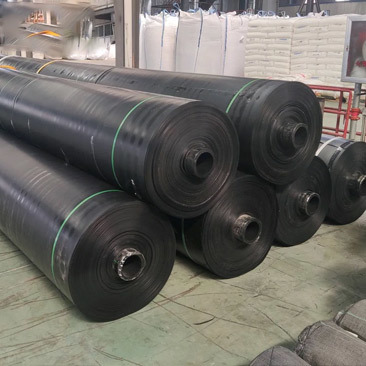
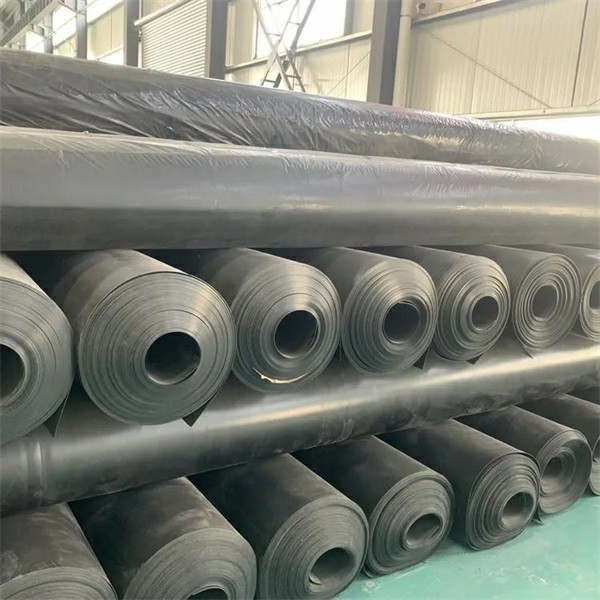
Composite geomembranes typically combine two or more layers of different materials, such as polyethylene (PE) or polyvinyl chloride (PVC) with geotextiles. This combination enhances strength, flexibility, and resistance to environmental factors. The primary types of composite geomembranes include:
Polyethylene-based Composite Geomembranes
Polyethylene geomembranes are well-known for their high chemical resistance and flexibility. When combined with geotextiles, they offer additional hydraulic performance that makes them suitable for various applications, including landfill liners and water containment systems.
Polyvinyl Chloride (PVC) Composite Geomembranes
PVC geomembranes are another common type, recognized for their UV resistance and ease of installation. When enhanced with fabric layers, PVC geomembranes provide improved tensile strength and puncture resistance, making them ideal for environmental and civil engineering applications.
Key Environmental Benefits of Composite Geomembranes
1. Enhanced Containment of Hazardous Materials
Composite geomembranes play a critical role in preventing the leakage of hazardous materials into the environment. Their impermeable nature ensures that toxic substances, such as chemicals and heavy metals, remain contained, significantly reducing the risk of soil and groundwater contamination.
Case Study: Landfill Liners
In the context of landfills, composite geomembranes serve as a robust barrier, preventing leachate from escaping into the surrounding soil and waterways. This containment is crucial in protecting local ecosystems and ensuring compliance with environmental regulations.
2. Reduction of Water Consumption
Water conservation is a pressing issue in today's construction climate, and composite geomembranes can significantly reduce water usage. By providing effective barriers in water storage and distribution systems, they minimize evaporation and leakage, ensuring that more water is available for essential uses.
Applications in Agricultural Irrigation
In agricultural applications, composite geomembranes can be utilized in irrigation ponds and reservoirs to reduce water loss, ultimately leading to more sustainable farming practices.
3. Minimization of Carbon Footprint
The production and installation of composite geomembranes are often less resource-intensive than traditional construction materials. Their lightweight nature and ease of deployment can lead to reduced transportation emissions and lower energy consumption during installation.
Eco-friendly Manufacturing Processes
Many manufacturers of composite geomembranes are adopting eco-friendly practices, such as utilizing recycled materials in their products, further contributing to a reduced overall carbon footprint.
4. Longevity and Durability
Composite geomembranes are designed to withstand harsh environmental conditions, including extreme temperatures, UV radiation, and chemical exposure. This durability translates into a longer lifespan compared to traditional materials, leading to fewer replacements and reduced waste.
Long-term Benefits in Construction
By investing in composite geomembranes, construction companies can achieve long-term performance while minimizing their environmental impact. This longevity contributes to sustainable project management and reduces the need for frequent replacements.
5. Versatility in Applications
The versatility of composite geomembranes allows them to be used across various applications, including:
- Landfill liners
- Environmental containment systems
- Wastewater treatment facilities
- Mining applications
- Agricultural ponds
Each of these applications highlights the adaptability and effectiveness of composite geomembranes in addressing environmental challenges.
Challenges and Considerations in Composite Geomembrane Usage
1. Installation Challenges
While composite geomembranes offer numerous benefits, their installation can present challenges, particularly in difficult terrain or extreme weather conditions. Proper training and experience are essential for ensuring successful deployment.
2. Cost Considerations
The initial investment in composite geomembranes may be higher than traditional materials. However, considering their long-term benefits and durability, many projects find that the overall cost is justified over time.
Future Trends in Composite Geomembranes
As the construction industry increasingly embraces sustainable practices, the demand for composite geomembranes is expected to rise. Future trends include:
1. Advances in Material Technology
Ongoing research into new materials and composites will likely lead to even more efficient and environmentally friendly geomembranes, further enhancing their performance and applicability.
2. Increased Regulatory Pressure
With the growing awareness of environmental issues, regulatory bodies may impose stricter guidelines on containment materials, making composite geomembranes a preferred choice for compliance.
FAQs about Composite Geomembranes
1. What are composite geomembranes made of?
Composite geomembranes are typically made from layers of synthetic materials, often combining polyethylene or PVC with geotextiles for enhanced performance.
2. How are composite geomembranes used in construction?
They are used primarily for containment applications, such as landfill liners, water reservoirs, and environmental barriers to prevent leakage and contamination.
3. What are the environmental benefits of using composite geomembranes?
The main environmental benefits include reduced leakage of hazardous materials, lower water consumption, minimized carbon footprints, and enhanced durability for long-term use.
4. Are composite geomembranes more expensive than traditional options?
While the initial costs may be higher, the long-term savings due to reduced maintenance and longer lifespan often make them a cost-effective choice.
5. How do I ensure proper installation of composite geomembranes?
It is crucial to engage experienced professionals for installation and follow best practices to ensure the effectiveness of composite geomembranes in environmental protection.
Conclusion
The use of composite geomembranes in construction represents a significant advancement in the pursuit of environmentally responsible building practices. By offering enhanced containment, reduced water consumption, and decreased carbon footprints, these innovative materials pave the way for a more sustainable future. As the industry continues to innovate and adapt to environmental challenges, composite geomembranes will undoubtedly play a crucial role in shaping a greener world. Investing in these materials not only benefits current construction projects but also contributes to the long-term health of our planet.
CONTACT US
Address: Shuangyi Road, Lingcheng District, Dezhou City, Shandong Province


GET A DEDICATED QUOTATION