


Why Geomembrane is Essential for Modern Construction
Release time:
2025-10-26
Why Geomembrane is Essential for Modern Construction Table of Contents 1. Introduction to Geomembrane 2. Properties of Geomembranes 3. Applications of Geomembrane in Construction 4. Benefits of Using Geomembranes 5. Geomembrane Materials and Types 6. Installation Techniques for Geomembranes 7. Environmental Impact of Geomembranes 8. The Future of Geomembranes in Co
Why Geomembrane is Essential for Modern Construction
Table of Contents
- 1. Introduction to Geomembrane
- 2. Properties of Geomembranes
- 3. Applications of Geomembrane in Construction
- 4. Benefits of Using Geomembranes
- 5. Geomembrane Materials and Types
- 6. Installation Techniques for Geomembranes
- 7. Environmental Impact of Geomembranes
- 8. The Future of Geomembranes in Construction
- 9. FAQs About Geomembranes
- 10. Conclusion
1. Introduction to Geomembrane
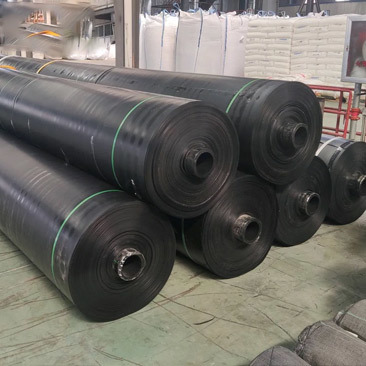
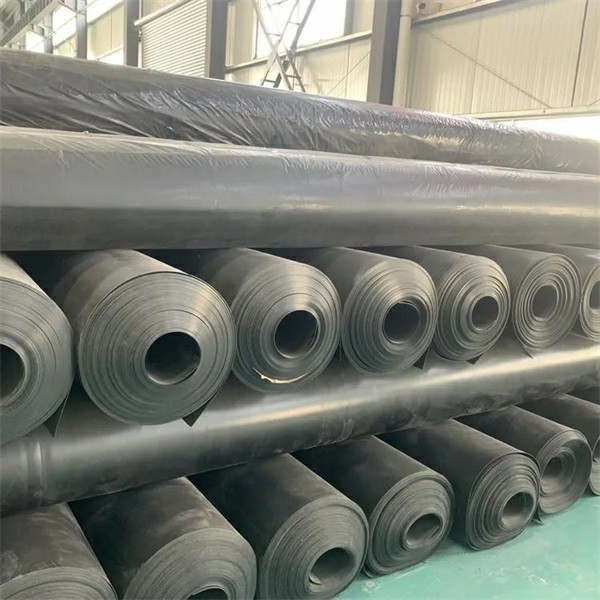
Geomembrane refers to a synthetic membrane used widely in civil engineering and construction. This versatile material acts as a barrier to fluids and solids, making it invaluable for a variety of applications, including landfill liners, water containment systems, and environmental protection strategies. As modern construction projects strive for sustainability and efficiency, geomembrane has emerged as an essential component, addressing complex challenges faced by industry professionals.
2. Properties of Geomembranes
Understanding the unique properties of geomembranes is crucial for appreciating their role in construction. These include:
Durability and Strength
Geomembranes are engineered to withstand extreme temperatures, UV radiation, and various chemical exposures. Their high tensile strength ensures they maintain integrity under significant stress.
Impermeability
One of the standout features of geomembranes is their impermeability. They effectively prevent the passage of liquids and gases, making them ideal for applications like landfill liners and aquaculture ponds.
Flexibility
Despite their strength, geomembranes maintain a degree of flexibility, allowing them to conform to underlying surfaces and structures. This property is particularly beneficial for uneven terrains.
3. Applications of Geomembrane in Construction
Geomembranes find numerous applications in modern construction. Here are some key areas where they are utilized:
Landfill Liners
Landfills require robust liners to contain waste and prevent leachate from contaminating surrounding soil and groundwater. Geomembranes provide a reliable barrier, ensuring environmental safety.
Water Reservoirs and Containment
For water conservation projects, geomembranes are used to line reservoirs, ponds, and tanks, reducing evaporation and preventing contamination.
Mining
In mining operations, geomembranes are essential for containing hazardous materials and preventing environmental pollution.
Road and Highway Construction
Geomembranes are increasingly used in road construction to manage water drainage, enhance soil stability, and support sustainable practices.
Aquaculture
In aquaculture, geomembranes are employed to construct fish ponds, ensuring optimal water quality and preventing loss of resources.
4. Benefits of Using Geomembranes
The benefits of incorporating geomembranes into construction projects are numerous:
Cost-Effectiveness
Geomembranes can reduce long-term operational costs by preventing leaks and minimizing maintenance needs. Their durability ensures fewer replacements, leading to significant savings.
Sustainability
Using geomembranes contributes to environmentally friendly construction practices. They protect natural resources and help in managing waste effectively.
Enhanced Safety
By preventing the infiltration of harmful substances, geomembranes enhance safety for both workers and the surrounding community.
Compliance with Regulations
Many construction projects are subject to strict environmental regulations. Utilizing geomembranes helps ensure compliance, thereby avoiding potential legal issues.
5. Geomembrane Materials and Types
Understanding the different types of geomembranes available is essential for selecting the right one for a specific application.
Polyethylene (PE) Geomembranes
PE geomembranes are widely used due to their excellent chemical resistance and flexibility. They are commonly used in landfills and reservoirs.
Polyvinyl Chloride (PVC) Geomembranes
PVC geomembranes are known for their durability and ease of installation. They are often used in water containment and aquaculture.
Ethylene Propylene Diene Monomer (EPDM) Geomembranes
EPDM geomembranes offer outstanding weather resistance and longevity, making them ideal for applications exposed to extreme conditions.
Reinforced Geomembranes
These geomembranes feature a reinforcement layer that enhances their mechanical properties, providing additional strength for demanding applications.
6. Installation Techniques for Geomembranes
Proper installation is critical to the performance of geomembranes. Here are some key techniques:
Site Preparation
Ensure the site is clear of debris and sharp objects to prevent punctures. Level the ground to create a smooth surface for installation.
Seaming Methods
Seams can be created using various methods, including heat welding and adhesive bonding. The choice of method depends on the type of geomembrane and the project requirements.
Testing for Integrity
After installation, it's essential to test for leaks and ensure the integrity of the geomembrane. Methods like vacuum testing can verify the effectiveness of seams.
7. Environmental Impact of Geomembranes
As construction practices evolve, the environmental impact of materials used is a growing concern. Geomembranes offer several environmental benefits:
Water Conservation
By preventing water loss in reservoirs and ponds, geomembranes play a crucial role in conserving this vital resource, especially in arid regions.
Pollution Prevention
Geomembranes effectively contain harmful substances, preventing them from leaching into the soil and groundwater, thus protecting ecosystems.
Recyclability
Many geomembrane materials are recyclable, contributing to sustainability and reducing waste in construction projects.
8. The Future of Geomembranes in Construction
The future of geomembranes in construction looks promising, with ongoing research and advancements in material technology. Emerging trends include:
Smart Geomembranes
Innovations in sensor technology may lead to the development of smart geomembranes that can monitor conditions in real-time, enhancing performance and safety.
Increased Customization
As the demand for tailored solutions grows, the industry may see more customized geomembrane products designed to meet specific project needs.
Focus on Sustainability
With growing awareness of environmental issues, geomembrane manufacturers are likely to emphasize eco-friendly materials and production processes.
9. FAQs About Geomembranes
What is the lifespan of a geomembrane?
The lifespan of geomembranes can vary based on material, application, and environmental conditions, but they typically last 20 to 30 years.
Can geomembranes be repaired?
Yes, geomembranes can be repaired using various techniques, including patching and welding.
Are geomembranes safe for the environment?
Yes, geomembranes are designed to prevent pollution and protect natural resources, making them safe for environmental applications.
How are geomembranes installed?
Installation involves site preparation, seam creation, and testing for integrity to ensure optimal performance.
What factors should be considered when selecting a geomembrane?
Factors include the type of application, environmental conditions, chemical exposure, and local regulations.
10. Conclusion
In summary, geomembranes play a vital role in modern construction, offering durability, impermeability, and environmental protection. Their diverse applications—from landfills to aquaculture—demonstrate their importance in addressing contemporary challenges in the industry. As we move towards a more sustainable future, the role of geomembranes will only continue to grow, making them an essential material in construction projects worldwide. Embracing geomembranes not only enhances project efficiency but also ensures a commitment to environmental stewardship.
CONTACT US
Address: Shuangyi Road, Lingcheng District, Dezhou City, Shandong Province


GET A DEDICATED QUOTATION