


Innovative Applications of Geomembrane Material in Modern Construction
Release time:
2025-10-22
Innovative Applications of Geomembrane Material in Modern Construction Table of Contents 1. Introduction to Geomembrane Materials 2. What is Geomembrane? 3. Importance of Geomembrane in Construction 4. Innovative Applications of Geomembrane Material 4.1 Landfill Liners 4.2 Waterproofing Solutions 4.3 Drainage Systems 4.4 Pon
Innovative Applications of Geomembrane Material in Modern Construction
Table of Contents
- 1. Introduction to Geomembrane Materials
- 2. What is Geomembrane?
- 3. Importance of Geomembrane in Construction
- 4. Innovative Applications of Geomembrane Material
- 5. Environmental Benefits of Using Geomembranes
- 6. Future Developments in Geomembrane Technology
- 7. Challenges and Considerations
- 8. Conclusion
1. Introduction to Geomembrane Materials
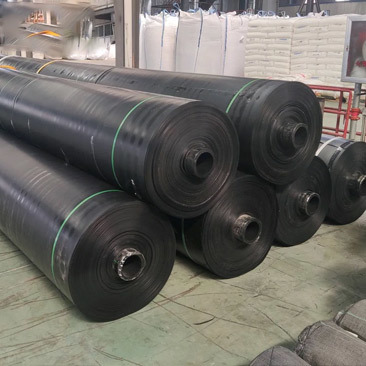
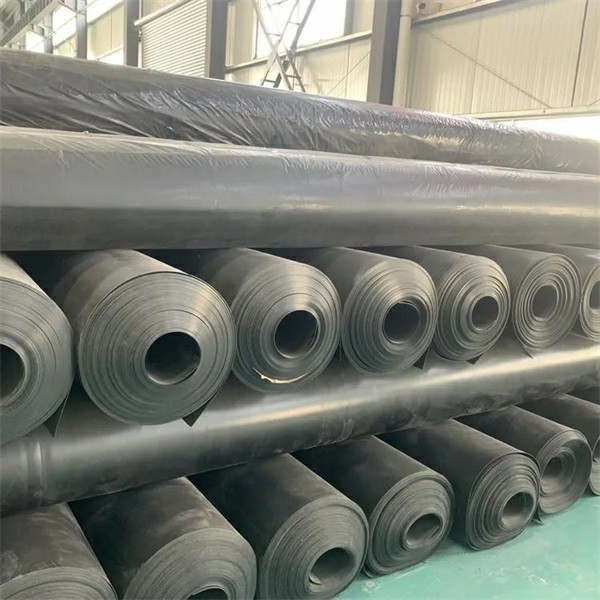
Geomembrane materials have become a cornerstone of modern construction, especially in projects that demand durability and environmental protection. These synthetic membranes are typically made from high-density polyethylene (HDPE), linear low-density polyethylene (LLDPE), and polyvinyl chloride (PVC). They serve as impermeable barriers, making them invaluable in various applications, from waste management to water conservation.
As the construction industry innovates, the versatility of geomembranes is gaining recognition. This article delves into the innovative applications of geomembrane materials in modern construction, showcasing how they are reshaping the building landscape.
2. What is Geomembrane?
A geomembrane is a synthetic polymer material primarily used as a barrier to prevent the migration of fluids in various construction applications. They come in various thicknesses and are designed to provide chemical resistance, mechanical strength, and flexibility.
These materials are employed in several sectors, including environmental engineering, civil engineering, and waste management. The primary characteristics that define geomembranes include:
- **Impermeability:** They effectively block water and other fluids.
- **Durability:** Resistant to UV radiation, chemicals, and physical stress.
- **Flexibility:** Adaptable to different surfaces and environmental conditions.
In essence, geomembranes are designed to meet stringent engineering demands while ensuring environmental sustainability.
3. Importance of Geomembrane in Construction
The significance of geomembranes in construction cannot be overstated. They play a crucial role in ensuring that projects meet regulatory standards while protecting the environment. Here are several reasons why geomembranes are vital in modern construction:
1. **Environmental Protection:** Geomembranes safeguard soil and groundwater from contamination, making them essential for landfill and waste management applications.
2. **Cost-Effectiveness:** By minimizing leakage and reducing the need for extensive drainage systems, geomembranes can lower overall project costs.
3. **Enhanced Durability:** Their resistance to chemicals and environmental stress extends the lifespan of construction projects, ensuring long-term reliability.
4. **Versatility:** Geomembranes can be customized for various applications, making them suitable for diverse construction needs.
In summary, their importance extends beyond mere functionality; they are integral to sustainable construction practices.
4. Innovative Applications of Geomembrane Material
Geomembranes are utilized in various innovative applications within modern construction. Below are some of the most impactful uses transforming the industry.
4.1 Landfill Liners
One of the most common applications of geomembranes is in landfill liners. These barriers prevent leachate, a toxic waste byproduct, from contaminating the surrounding soil and groundwater.
Geomembranes used in landfill applications are designed to withstand harsh chemicals and extreme environmental conditions. Their impermeability is critical, as it helps mitigate environmental hazards associated with waste disposal. Furthermore, advancements in geomembrane technology are leading to more effective liners that can increase the safety and efficiency of landfill operations.
4.2 Waterproofing Solutions
Geomembranes are increasingly recognized for their exceptional waterproofing properties. They are used in various construction projects, including basements, tunnels, and retaining walls, to prevent water ingress.
The flexibility of geomembranes allows them to conform to complex shapes, ensuring a secure fit that minimizes the risk of leaks. Additionally, the installation of geomembranes as a waterproofing solution is often quicker and more cost-effective than traditional methods, making them a preferred choice for many contractors.
4.3 Drainage Systems
Effective drainage is vital in construction, particularly in areas prone to flooding or heavy rainfall. Geomembranes are utilized in drainage systems to direct water flow and prevent erosion.
By incorporating geomembranes into drainage systems, construction projects can enhance water management while protecting the surrounding landscape. Their ability to filter water while preventing soil migration contributes to the longevity and sustainability of drainage solutions.
4.4 Pond and Lake Liners
Geomembranes are also widely used in the construction of ponds and lakes, where they serve as liners to prevent water loss and protect the ecosystem. These liners are particularly beneficial in agricultural applications, where water conservation is critical.
The use of geomembranes in pond and lake construction ensures that water remains contained, significantly reducing evaporation and seepage. This application is vital for maintaining local water supplies and supporting aquatic habitats.
5. Environmental Benefits of Using Geomembranes
The adoption of geomembranes in construction brings numerous environmental benefits. Here are some of the key advantages:
- **Pollution Prevention:** By acting as barriers against contaminants, geomembranes help preserve soil and groundwater quality.
- **Water Conservation:** Their use in ponds and lakes significantly reduces water loss, supporting sustainable water management practices.
- **Reduced Landfill Footprint:** Geomembrane liners enhance the effectiveness of landfills, allowing for better waste management and reduced land use.
- **Recyclability:** Many geomembranes are made from recyclable materials, contributing to a circular economy within the construction industry.
Incorporating geomembranes into construction projects not only enhances their effectiveness but also promotes environmental responsibility.
6. Future Developments in Geomembrane Technology
As technology advances, the future of geomembranes looks promising. Researchers are exploring new materials and manufacturing techniques to enhance the properties of geomembranes further. Innovations include:
1. **Smart Geomembranes:** Integrating sensors into geomembranes to monitor conditions and detect leaks in real-time.
2. **Biodegradable Options:** Developing environmentally friendly geomembranes that break down over time, minimizing their ecological footprint.
3. **Enhanced UV Resistance:** Creating geomembranes with improved resistance to UV radiation for extended outdoor use.
These developments indicate a shift towards more sustainable and efficient geomembrane solutions in construction.
7. Challenges and Considerations
Despite their many advantages, the use of geomembranes in construction is not without challenges. Key considerations include:
- **Installation Complexity:** Proper installation is crucial to ensure the effectiveness of geomembranes. Mistakes during installation can lead to leaks and failures.
- **Cost:** While geomembranes can be cost-effective in the long run, the initial investment may be higher than traditional materials.
- **Material Compatibility:** Not all geomembranes are suitable for every application; selecting the right type based on specific project requirements is essential.
Addressing these challenges requires careful planning, skilled labor, and thorough understanding of geomembrane properties.
8. Conclusion
In conclusion, geomembrane materials are revolutionizing modern construction through their innovative applications and environmental benefits. Their versatility and durability make them essential in various sectors, from waste management to water conservation.
As the industry continues to evolve, the future of geomembranes looks bright, with advancements paving the way for smarter, more sustainable construction practices. Embracing geomembrane technology not only enhances project efficiency but also contributes to a healthier environment, aligning with contemporary sustainability goals.
The ongoing research and development in this field highlight the potential of geomembranes as a critical component of modern construction, ensuring that our infrastructure is both effective and environmentally responsible.
CONTACT US
Address: Shuangyi Road, Lingcheng District, Dezhou City, Shandong Province


GET A DEDICATED QUOTATION