


Understanding Geomembranes: Essential Materials for Construction Projects
Release time:
2025-10-21
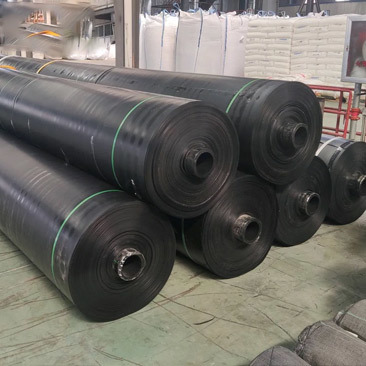
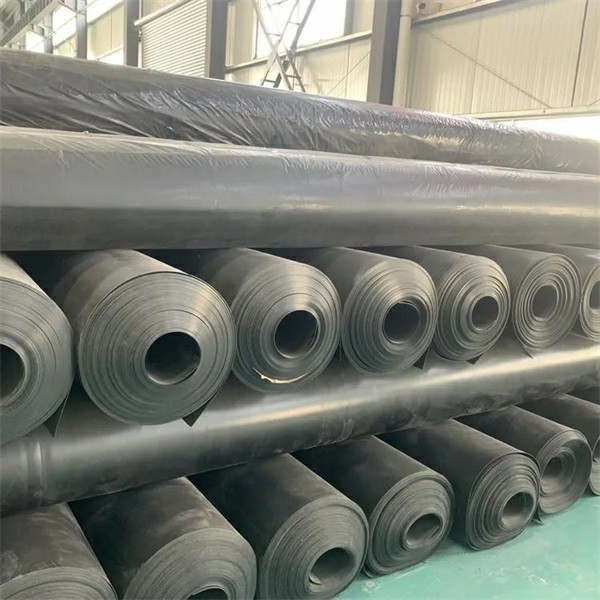
Geomembranes are critical components in the field of construction and landscaping, particularly when it comes to managing water, waste, and other environmental factors. This type of material is a synthetic membrane liner or barrier that is impermeable, often used in a variety of applications to prevent the movement of fluids. Understanding the properties and uses of geomembranes can significantly
Geomembranes are critical components in the field of construction and landscaping, particularly when it comes to managing water, waste, and other environmental factors. This type of material is a synthetic membrane liner or barrier that is impermeable, often used in a variety of applications to prevent the movement of fluids. Understanding the properties and uses of geomembranes can significantly enhance project outcomes, especially in construction and civil engineering projects.
One of the primary functions of geomembranes is to act as a barrier against liquids, making them invaluable in landfill liners, mining, and water containment applications. They are typically made from polymers such as polyethylene, polyvinyl chloride (PVC), or polypropylene. The choice of material often depends on the specific requirements of the project, including the types of liquids involved and the environmental conditions.
In addition to their impermeability, geomembranes boast excellent durability and resistance to UV radiation, chemicals, and punctures. This resilience ensures long-term performance, even in challenging environments. For projects involving water management, such as reservoirs or ponds, geomembranes can provide an effective solution for preventing leakage and maintaining water quality. Their use can lead to reduced maintenance costs and improved sustainability over time.
Another important aspect to consider when utilizing geomembranes is their installation process. Proper installation techniques are crucial to ensure that the geomembrane functions effectively. This includes ensuring that seams are properly welded or adhered, as well as making sure that the surface beneath the geomembrane is properly prepared. Any imperfections during installation can lead to potential failures, which could compromise the entire system.
When selecting geomembranes for a project, it is essential to conduct a thorough site assessment. Factors such as soil conditions, potential chemical exposure, and environmental regulations should all be taken into account. This assessment not only helps in choosing the right type of geomembrane but also determines the necessary thickness and additional protective measures required for optimal performance.
In conclusion, geomembranes play a significant role in modern construction and landscaping. Their ability to provide impermeable barriers for liquid containment makes them indispensable in various applications, from landfills to water reservoirs. Understanding the properties, installation techniques, and site-specific considerations of geomembranes can lead to successful project execution, ensuring environmental protection and operational efficiency. By prioritizing these factors, construction professionals can enhance the longevity and effectiveness of their projects.
One of the primary functions of geomembranes is to act as a barrier against liquids, making them invaluable in landfill liners, mining, and water containment applications. They are typically made from polymers such as polyethylene, polyvinyl chloride (PVC), or polypropylene. The choice of material often depends on the specific requirements of the project, including the types of liquids involved and the environmental conditions.
In addition to their impermeability, geomembranes boast excellent durability and resistance to UV radiation, chemicals, and punctures. This resilience ensures long-term performance, even in challenging environments. For projects involving water management, such as reservoirs or ponds, geomembranes can provide an effective solution for preventing leakage and maintaining water quality. Their use can lead to reduced maintenance costs and improved sustainability over time.
Another important aspect to consider when utilizing geomembranes is their installation process. Proper installation techniques are crucial to ensure that the geomembrane functions effectively. This includes ensuring that seams are properly welded or adhered, as well as making sure that the surface beneath the geomembrane is properly prepared. Any imperfections during installation can lead to potential failures, which could compromise the entire system.
When selecting geomembranes for a project, it is essential to conduct a thorough site assessment. Factors such as soil conditions, potential chemical exposure, and environmental regulations should all be taken into account. This assessment not only helps in choosing the right type of geomembrane but also determines the necessary thickness and additional protective measures required for optimal performance.
In conclusion, geomembranes play a significant role in modern construction and landscaping. Their ability to provide impermeable barriers for liquid containment makes them indispensable in various applications, from landfills to water reservoirs. Understanding the properties, installation techniques, and site-specific considerations of geomembranes can lead to successful project execution, ensuring environmental protection and operational efficiency. By prioritizing these factors, construction professionals can enhance the longevity and effectiveness of their projects.
CONTACT US
Address: Shuangyi Road, Lingcheng District, Dezhou City, Shandong Province


GET A DEDICATED QUOTATION