


How PE Geomembrane Enhances Environmental Protection on Job Sites
Release time:
2025-10-20
How PE Geomembrane Enhances Environmental Protection on Job Sites Table of Contents 1. Understanding PE Geomembranes 2. The Importance of Environmental Protection in Construction 3. Key Benefits of Using PE Geomembranes 3.1. Chemical Resistance 3.2. Durability and Longevity 3.3. Cost-Effectiveness 4. Applications of PE Geomembranes in Construction 4.1. Landfills and Waste Managem
How PE Geomembrane Enhances Environmental Protection on Job Sites
Table of Contents
1. Understanding PE Geomembranes
2. The Importance of Environmental Protection in Construction
3. Key Benefits of Using PE Geomembranes
3.1. Chemical Resistance
3.2. Durability and Longevity
3.3. Cost-Effectiveness
4. Applications of PE Geomembranes in Construction
4.1. Landfills and Waste Management
4.2. Water Management Systems
4.3. Mining and Resource Extraction
5. Installation Best Practices
5.1. Site Preparation
5.2. Proper Handling and Installation Techniques
6. Case Studies Highlighting Success
7. Frequently Asked Questions (FAQs)
8. Conclusion
1. Understanding PE Geomembranes
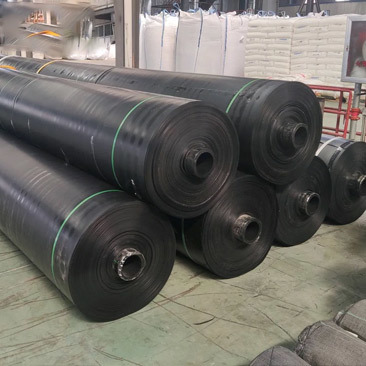
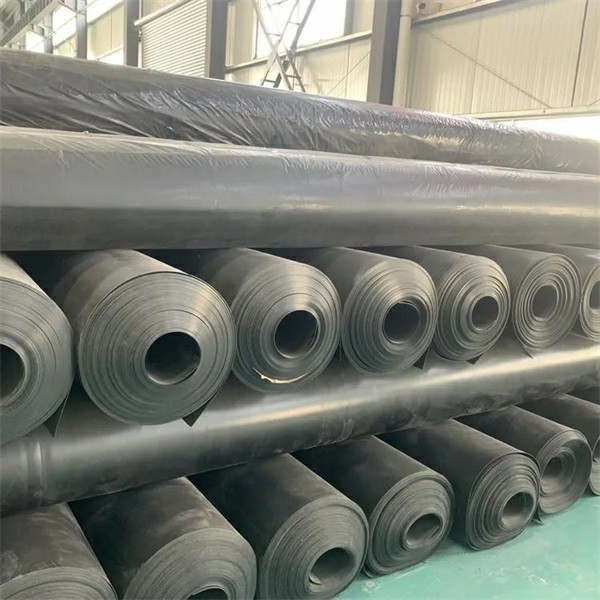
PE (Polyethylene) geomembranes are synthetic membranes widely used in environmental protection applications across various industries. These high-density materials serve as barriers to prevent liquid and gas migration, making them essential for controlling contamination and protecting the environment at job sites. With outstanding chemical resistance and durability, PE geomembranes are a go-to solution for modern construction projects.
2. The Importance of Environmental Protection in Construction
Construction activities can significantly impact the environment. Soil erosion, water contamination, and habitat destruction are common issues faced on job sites. Implementing effective environmental protection measures is imperative to mitigate these effects. By using products like PE geomembranes, we can ensure compliance with environmental regulations and promote sustainability in construction practices.
3. Key Benefits of Using PE Geomembranes
3.1. Chemical Resistance
One of the standout features of PE geomembranes is their exceptional **chemical resistance**. These membranes can withstand exposure to a wide range of toxic substances, including leachate from landfills and various chemicals used in construction. This property makes them invaluable for protecting soil and groundwater from contamination.
3.2. Durability and Longevity
PE geomembranes are designed to endure harsh environmental conditions, including UV radiation, extreme temperatures, and physical stress. Their **durability** extends the lifespan of the installation, providing long-term protection for the environment at job sites. When properly installed, these membranes can last for decades, reducing the need for frequent replacements.
3.3. Cost-Effectiveness
Investing in PE geomembranes can lead to significant cost savings in the long run. By preventing environmental damage, these membranes help avoid costly remediation efforts and legal penalties associated with environmental violations. Additionally, their **ease of installation** and minimal maintenance requirements contribute to lower overall project costs.
4. Applications of PE Geomembranes in Construction
4.1. Landfills and Waste Management
In landfill applications, PE geomembranes act as liners to prevent leachate from escaping into the surrounding soil and groundwater. Their impermeability is critical in waste management operations, helping to protect the environment from harmful substances and ensuring compliance with regulatory standards.
4.2. Water Management Systems
PE geomembranes are commonly used in water management systems, including reservoirs, ponds, and canals. By creating a barrier that prevents water loss and contamination, these membranes play a vital role in preserving water resources and maintaining the integrity of aquatic ecosystems.
4.3. Mining and Resource Extraction
In the mining industry, PE geomembranes are used to line tailings ponds and heap leach pads. These applications help contain hazardous materials, preventing environmental contamination that could arise from runoff or spills. The use of PE geomembranes in mining ensures sustainable practices while safeguarding the surrounding environment.
5. Installation Best Practices
5.1. Site Preparation
Before installing PE geomembranes, thorough site preparation is essential. This includes clearing debris, leveling the ground, and addressing any sharp objects that could damage the membrane. Proper site preparation ensures a smooth installation process and optimizes the performance of the geomembrane.
5.2. Proper Handling and Installation Techniques
To maximize the effectiveness of PE geomembranes, specific handling and installation techniques should be followed. This includes avoiding unnecessary folding or creasing, using appropriate tools for cutting and joining membrane sections, and ensuring adequate overlap between seams. Proper installation techniques prevent leaks and extend the life of the installation.
6. Case Studies Highlighting Success
Numerous case studies demonstrate the successful application of PE geomembranes in various construction projects. For example, a landfill site using PE geomembranes reported a **100% reduction in leachate seepage**, showcasing the effectiveness of these membranes in protecting groundwater. In another instance, a water reservoir project using PE geomembranes experienced a **significant decrease in evaporation losses**, highlighting their role in resource conservation.
7. Frequently Asked Questions (FAQs)
1. What is the lifespan of PE geomembranes?
PE geomembranes can last between 20 to 30 years when properly installed and maintained.
2. How are PE geomembranes installed?
Installation involves site preparation, careful handling, and using appropriate techniques to ensure proper sealing and overlap.
3. Are PE geomembranes environmentally friendly?
Yes, PE geomembranes are designed to protect the environment by preventing contamination and conserving resources.
4. Can PE geomembranes be recycled?
Yes, while not all PE geomembranes are recyclable, many manufacturers offer recycling programs for used materials.
5. What industries benefit from PE geomembranes?
Industries such as construction, waste management, mining, and water management all benefit significantly from the use of PE geomembranes.
8. Conclusion
The use of PE geomembranes in construction is crucial for enhancing environmental protection on job sites. These materials offer numerous benefits, including chemical resistance, durability, and cost-effectiveness, making them a top choice for various applications. By understanding the importance of proper installation and the wide range of applications for PE geomembranes, we can contribute to more sustainable construction practices that protect our natural resources and environment for future generations. As we continue to innovate in the construction industry, the role of PE geomembranes will undoubtedly grow, guiding us toward a greener, safer future.
CONTACT US
Address: Shuangyi Road, Lingcheng District, Dezhou City, Shandong Province


GET A DEDICATED QUOTATION